Categories
featured

Can I Take Photos During Gorilla Trekking?

Can I Take Photos During Gorilla Trekking?

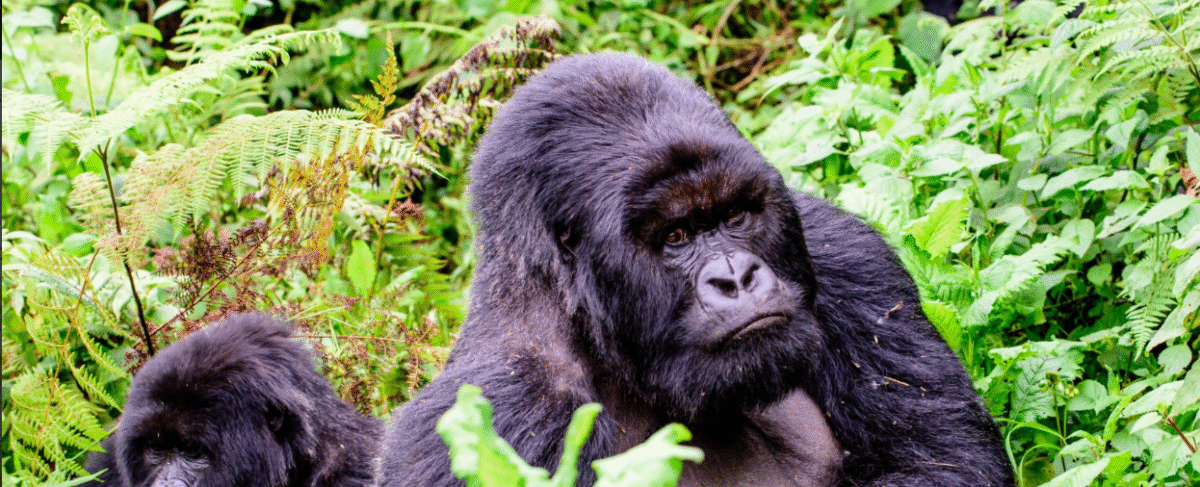
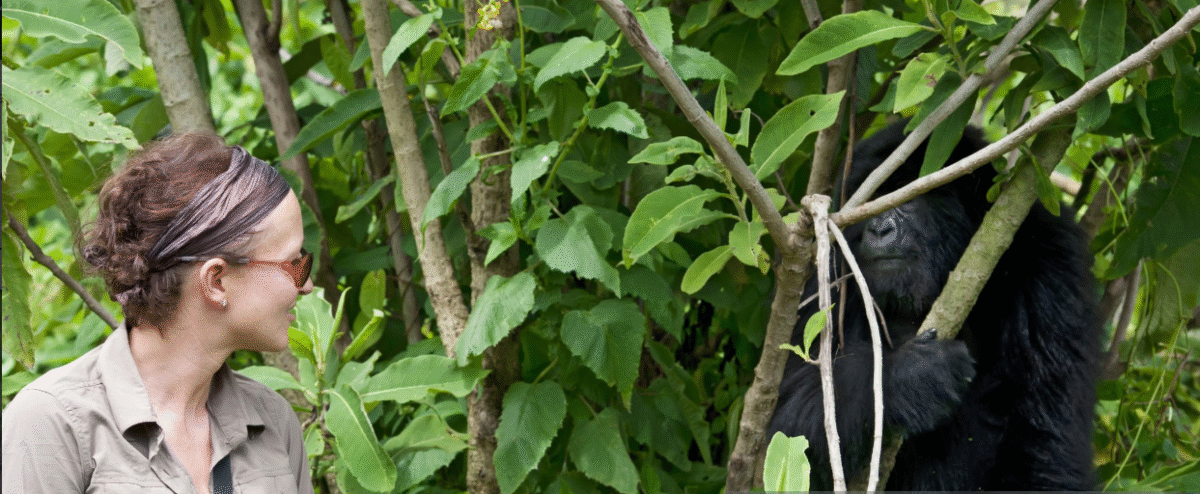
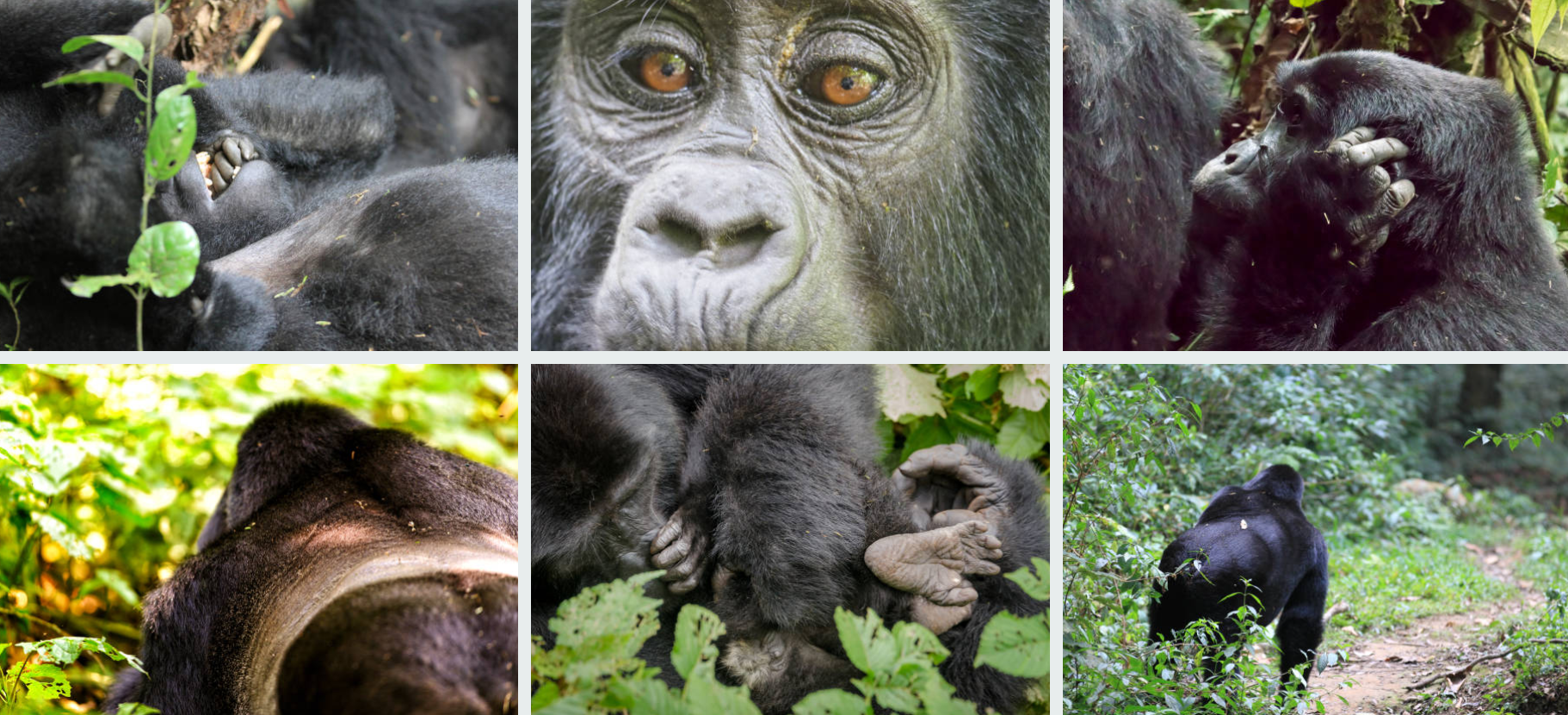
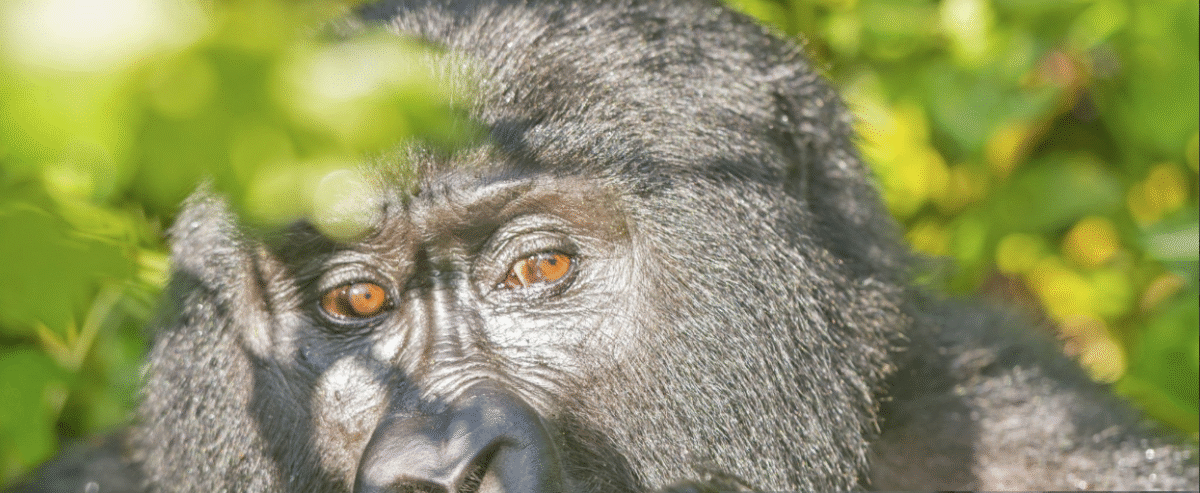
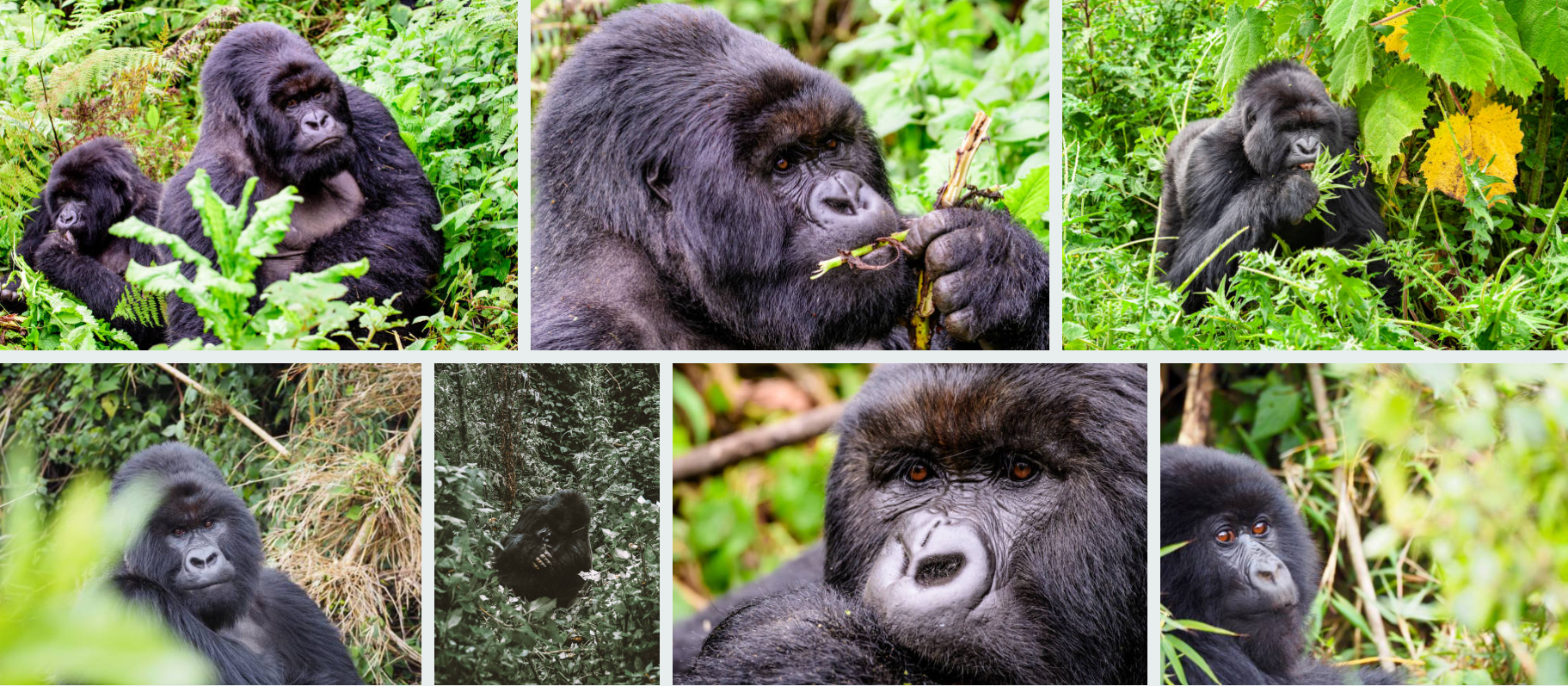
Gorilla Trekking Photography Rules, Gorilla trekking is one of the most thrilling and unforgettable wildlife experiences in the world. Trekking through dense jungles to encounter a family of mountain gorillas in their natural habitat is a dream for many nature lovers and photographers. But a common question that arises is: Can I take photos during gorilla trekking?

The answer is a resounding yes—you can absolutely take photos during gorilla trekking, but there are important guidelines to follow to ensure the safety of both the gorillas and yourself. In this comprehensive guide, we’ll explore photography rules during gorilla trekking, the best accommodations, transport options, interactions with local communities, and breathtaking paradise destinations to visit nearby.

Photography During Gorilla Trekking: Rules and Tips

Capturing the majestic mountain gorillas in their natural environment is a privilege, and responsible photography is crucial to their conservation. Here’s what you need to know:

1. Follow the Park Regulations

Most gorilla trekking destinations, such as Bwindi Impenetrable National Park (Uganda), Volcanoes National Park (Rwanda), and Virunga National Park (DR Congo), have strict rules:

  • No flash photography – Flash can scare or disturb gorillas, so it’s strictly prohibited.

  • Keep a 7-meter (21-foot) distance – While gorillas may sometimes approach closer, you must maintain a respectful distance.

  • Silence your camera shutter sound – Loud noises can agitate the gorillas.

  • Limit group photography time – Typically, you have one hour with the gorillas, so be efficient with your shots.

2. Best Camera Gear for Gorilla Trekking

  • Use a DSLR or mirrorless camera with a zoom lens (70-200mm or 100-400mm recommended) to capture close-ups without intruding.

  • A fast lens (f/2.8 or f/4) helps in low-light forest conditions.

  • Bring extra batteries and memory cards – You won’t get a second chance!

  • A lightweight tripod or monopod can help stabilize shots in dense foliage.

3. Ethical Photography Practices

  • Avoid making direct eye contact with gorillas for prolonged periods.

  • Move slowly and avoid sudden movements.

  • Listen to your guide’s instructions at all times.

Best Accommodations for Gorilla Trekking
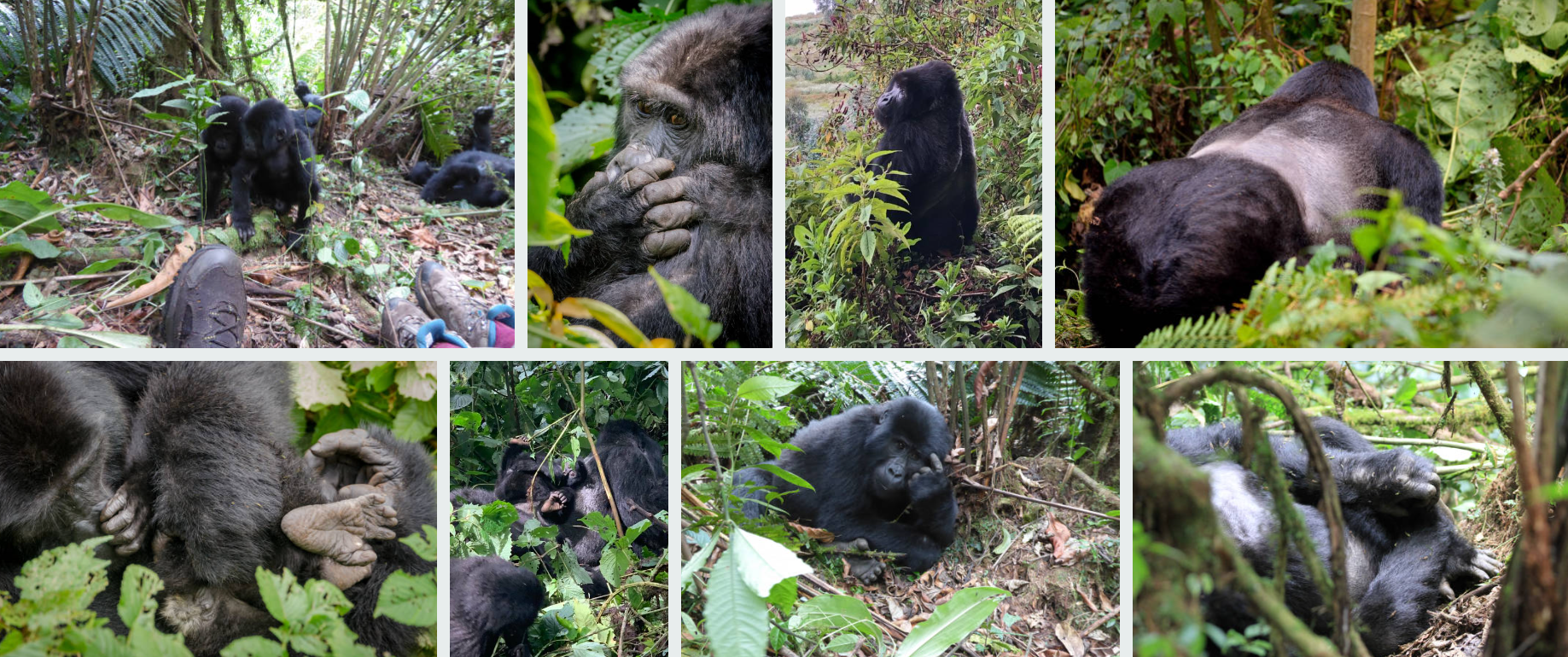
Staying in a comfortable lodge enhances your gorilla trekking experience. Here are some top options:

Uganda (Bwindi Impenetrable Forest)

  • Clouds Mountain Gorilla Lodge – Luxury cottages with stunning forest views.

  • Buhoma Lodge – Eco-friendly and close to trekking starting points.

  • Sanctuary Gorilla Forest Camp – Exclusive tented camp inside the park.

Rwanda (Volcanoes National Park)

  • Bisate Lodge – High-end villas with volcano views.

  • Sabyinyo Silverback Lodge – Community-owned luxury lodge.

  • Virunga Lodge – Panoramic views of lakes and volcanoes.

DR Congo (Virunga National Park)

  • Mikeno Lodge – A serene retreat near gorilla trekking trails.

  • Bukima Tented Camp – Basic but immersive in the jungle.

Transportation to Gorilla Trekking Destinations

1. By Air

  • Uganda: Fly into Entebbe International Airport, then take a domestic flight to Kihihi or Kisoro near Bwindi.

  • Rwanda: Land at Kigali International Airport, then drive 2-3 hours to Volcanoes National Park.

  • DR Congo: Enter via Goma Airport, then drive to Virunga National Park (security conditions permitting).

2. By Road

  • From Kampala (Uganda), it’s an 8-10 hour drive to Bwindi.

  • From Kigali (Rwanda), it’s a 2-hour drive to Volcanoes NP.

  • 4×4 vehicles are recommended for rough terrain.

Interacting with Local Communities

Gorilla trekking not only supports conservation but also benefits local communities. Here’s how you can engage:

  • Visit Batwa Pygmy villages (Uganda) to learn about indigenous cultures.

  • Support community projects like craft markets and schools.

  • Hire local porters – They assist with trekking while earning a livelihood.

Paradise Places to Visit Nearby

Extend your adventure with these stunning destinations:

1. Queen Elizabeth National Park (Uganda)

  • Famous for tree-climbing lions and boat safaris on the Kazinga Channel.

2. Lake Kivu (Rwanda)

  • Relax on sandy beaches or take a boat ride to Napoleon Island.

3. Nyiragongo Volcano (DR Congo)

  • Hike to the world’s largest lava lake for an unforgettable overnight experience.

4. Mgahinga Gorilla National Park (Uganda)

  • Combines gorilla trekking with golden monkey tracking and volcano hikes.

Final Thoughts

Yes, you can take photos during gorilla trekking—but always prioritize the well-being of these incredible creatures. By following guidelines, staying in eco-friendly lodges, and respecting local communities, you contribute to sustainable tourism. Combine your trek with visits to nearby paradise destinations for an unforgettable African adventure.
Categories
featured

How Do Gorillas React to Humans?

How Do Gorillas React to Humans? Understanding Their Behavior and Interactions

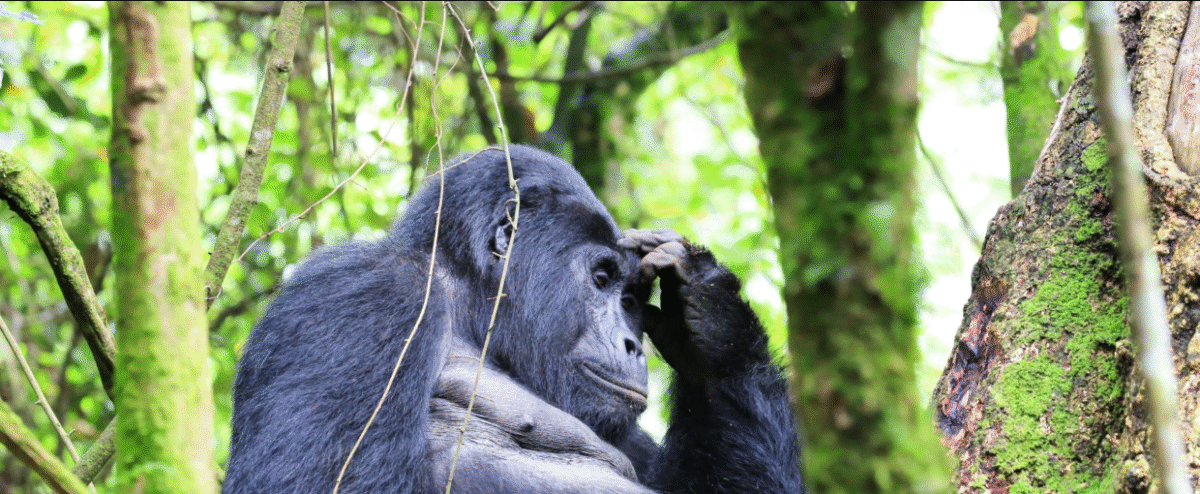
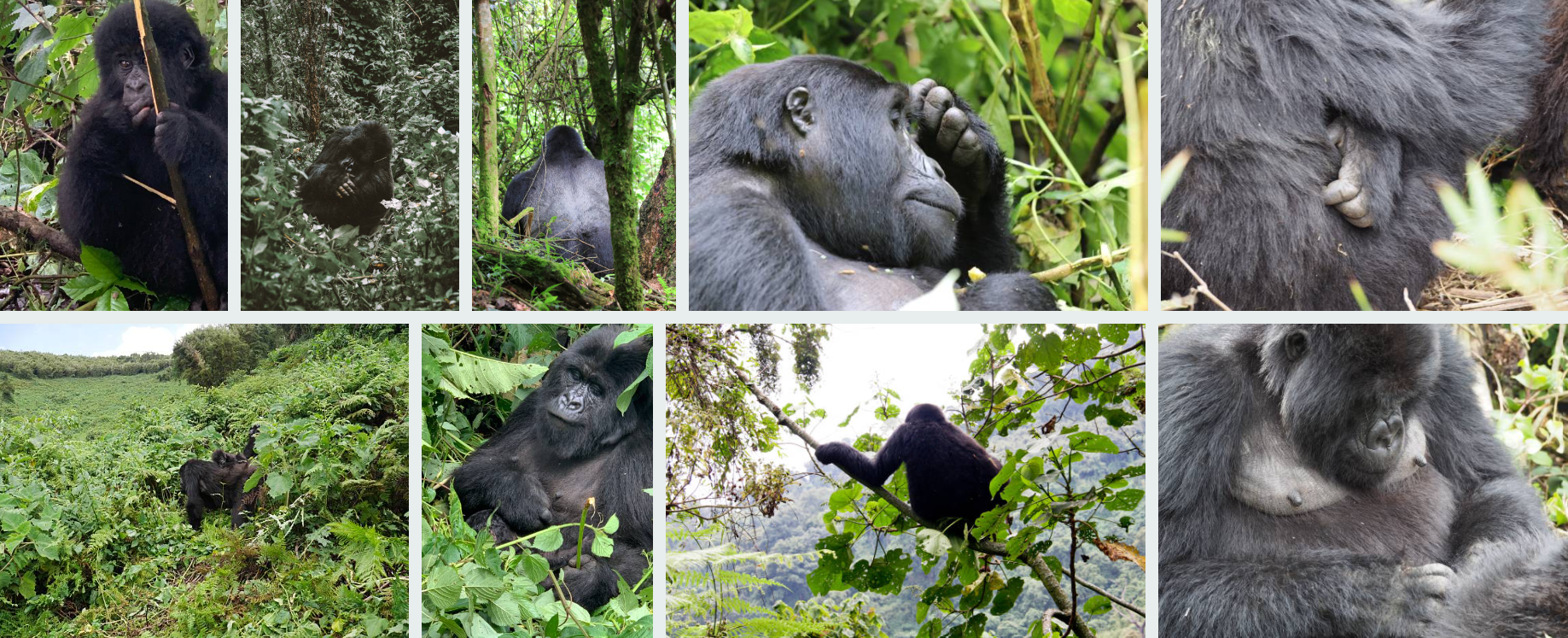
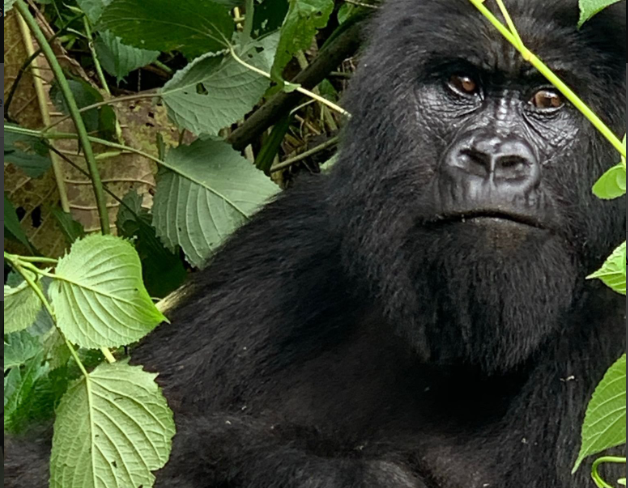
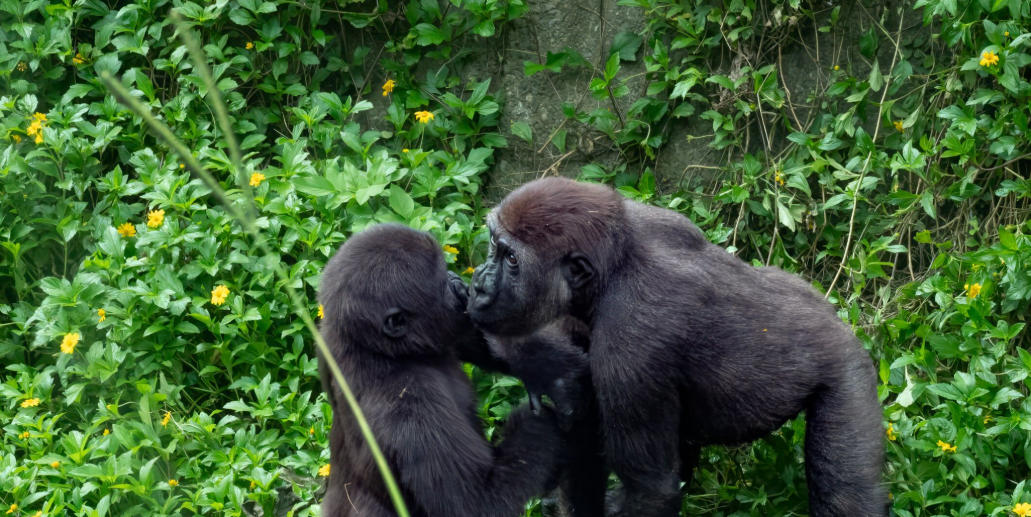
Gorilla-Human Interaction Behavior, Gorillas are the largest of the great apes, are fascinating creatures that share about 98% of their DNA with humans. Their behavior, social structures, and interactions with humans have been subjects of extensive research and observation. Understanding how gorillas react to humans is crucial for conservation efforts, wildlife tourism, and ensuring the safety of both species.

This article explores the various ways gorillas respond to human presence, including their behavior in the wild, in captivity, and during habituation efforts. We will also examine factors that influence their reactions, such as human behavior, environmental conditions, and past experiences.

1. Gorilla-Human Interaction Behavior in the Wild

A. Natural Reactions to Human Presence

In their natural habitats—dense forests of Central and East Africa—gorillas are generally shy and avoid human contact. They are not naturally aggressive but may react defensively if they feel threatened. Their responses depend on several factors, including:

  • Proximity: If humans get too close, gorillas may display warning signs such as chest-beating, grunting, or mock charges.

  • Group Dynamics: Silverbacks (dominant males) are protective of their families and may act aggressively if they perceive a threat.

  • Previous Encounters: Gorillas habituated to humans (used to their presence) are more tolerant than those in remote areas.

B. Habituation and Gorilla Tourism

Habituation is the process of gradually acclimating wild gorillas to human presence, primarily for research and eco-tourism. This process can take years and requires patience.

  • Initial Fear and Avoidance: At first, gorillas flee or hide when they see humans.

  • Gradual Acceptance: Over time, they become indifferent or curious, allowing researchers and tourists to observe them.

  • Tourist Interactions: In places like Rwanda’s Volcanoes National Park and Uganda’s Bwindi Impenetrable Forest, gorillas tolerate tourists but strict rules (like maintaining a 7-meter distance) minimize stress.

2. Gorilla-Human Interaction Behavior in Captivity

A. Zoo Environments

Gorillas in zoos exhibit different behaviors compared to their wild counterparts due to controlled environments and frequent human interaction.

  • Curiosity: Some gorillas watch visitors, especially if they are used to crowds.

  • Stress Indicators: Repetitive behaviors (pacing, rocking) may indicate discomfort from excessive human attention.

  • Bonding with Keepers: Many captive gorillas recognize and trust their caretakers, sometimes forming strong bonds.

B. Aggression in Captivity

Though rare, captive gorillas can display aggression due to:

  • Provocation: Visitors banging on glass or making loud noises may trigger defensive behavior.

  • Territorial Instincts: Male gorillas may challenge humans they perceive as intruders.

  • Past Trauma: Gorillas rescued from illegal trade or abuse may fear humans.

3. Factors Influencing Gorilla-Human Interaction Behavior

A. Human Behavior

Gorillas are highly perceptive and react based on how humans behave around them.

  • Calm and Quiet Movements: Humans who move slowly and speak softly are less likely to provoke fear.

  • Sudden Movements or Loud Noises: These can startle gorillas, leading to defensive postures.

  • Direct Eye Contact: In gorilla communication, prolonged staring is seen as a challenge.

B. Environmental Stressors

Habitat destruction and human encroachment increase negative interactions.

  • Deforestation: Forces gorillas into closer contact with humans, sometimes leading to conflict.

  • Poaching: Gorillas that have been hunted or trapped may associate humans with danger.

C. Individual Personality Differences

Just like humans, gorillas have distinct personalities.

  • Bold Gorillas: Some may approach humans out of curiosity.

  • Shy Gorillas: Others may retreat or hide.

  • Protective Silverbacks: Dominant males are more likely to react aggressively if they sense a threat.

4. Famous Cases of Gorilla-Human Interactions

A. Koko the Gorilla

Koko, a western lowland gorilla, was famous for learning sign language and forming deep bonds with humans. Her ability to communicate provided insights into gorilla emotions and intelligence.

B. Binti Jua (Brookfield Zoo Incident)

In 1996, a young boy fell into a gorilla enclosure. Instead of attacking, Binti Jua, a female gorilla, gently carried him to safety—a remarkable display of empathy.

C. Harambe (Cincinnati Zoo Tragedy)

In 2016, a child entered a gorilla enclosure, leading to the controversial shooting of Harambe, a silverback. This incident sparked debates on zoo safety and gorilla behavior.

5. How Humans Should Interact with Gorillas

To ensure peaceful coexistence, humans must follow guidelines when near gorillas:

  • Maintain Distance: Staying at least 7 meters away reduces stress for gorillas.

  • Avoid Direct Eye Contact: This prevents misunderstandings.

  • Stay Calm and Quiet: Sudden movements or loud noises can provoke fear.

  • Follow Ecotourism Rules: Regulations protect both gorillas and tourists.

6. Conclusion

Gorillas’ reactions to humans vary based on context, past experiences, and individual temperament. While wild gorillas are naturally cautious, habituated ones can tolerate human presence under controlled conditions. Captive gorillas may form bonds with caretakers but can also exhibit stress if mistreated.

Understanding and respecting gorilla behavior is essential for their conservation and for fostering positive human-gorilla interactions. By following ethical guidelines, humans can observe these magnificent creatures without causing harm, ensuring their survival for future generations.

Final Thoughts

Gorillas are intelligent, emotional beings that deserve respect and protection. Whether in the wild or captivity, their reactions to humans remind us of the delicate balance between our species and the natural world. Through responsible tourism, conservation efforts, and scientific research, we can continue to learn from and coexist with these incredible animals.

Categories
featured

Which Country is Best for Gorilla Trekking?

Which Country is Best for Gorilla Trekking?

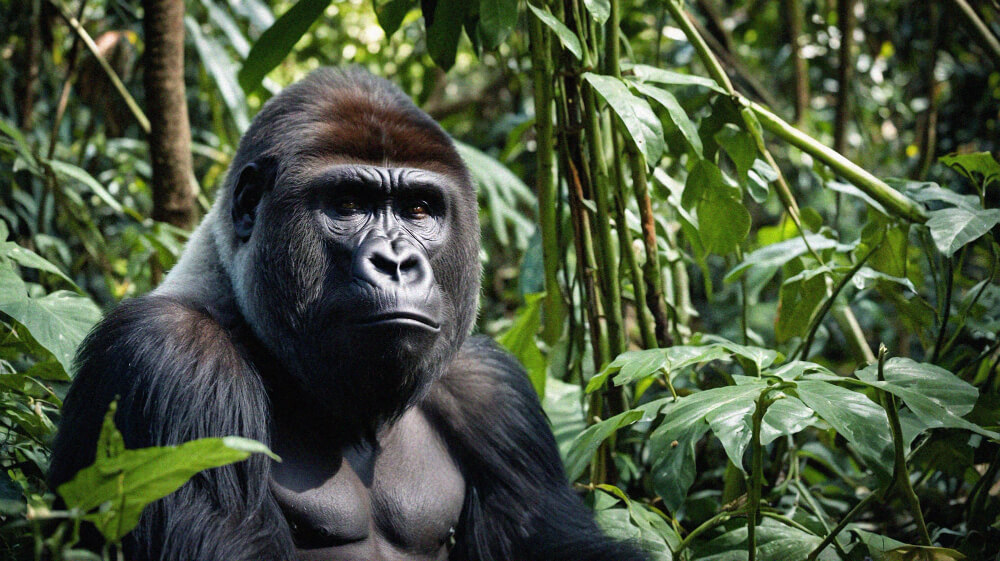
Gorilla trekking is a once-in-a-lifetime adventure that brings travelers face-to-face with the majestic mountain gorillas in their natural habitat. With only about 1,000 mountain gorillas left in the wild, this rare experience is limited to a few African countries. But which destination offers the best gorilla trekking experience?

The top contenders are Uganda, Rwanda, and the Democratic Republic of Congo (DRC). Each country provides unique trekking conditions, accommodations, accessibility, and additional attractions. This article explores the best gorilla trekking destination while highlighting accommodations, transportation, local communities, and nearby paradise places to visit.

1. Rwanda – The Luxury Gorilla Trekking Destination

Rwanda is often considered the best country for gorilla trekking due to its well-organized tourism infrastructure, safety, and shorter trekking distances. The primary destination is Volcanoes National Park, home to over 10 habituated gorilla families.

Accommodations in Rwanda

Rwanda offers luxury lodges and mid-range options near Volcanoes National Park:

  • Bisate Lodge (Luxury) – A high-end eco-lodge with stunning views of the Virunga volcanoes.

  • Sabyinyo Silverback Lodge – A luxury lodge owned by the local community.

  • Five Volcanoes Boutique Hotel (Mid-range) – Comfortable and affordable.

Transportation

  • Kigali International Airport is the main entry point, just a 2.5-hour drive to Volcanoes National Park.

  • Private 4×4 vehicles are recommended for the journey.

People & Culture

Rwanda is known for its warm hospitality and rich culture. Visitors can engage with local communities through:

  • Iby’Iwacu Cultural Village – A community-based tourism initiative offering traditional dances, crafts, and village walks.

Paradise Places to Visit Nearby

  • Lake Kivu – A serene freshwater lake perfect for relaxation.

  • Nyungwe Forest National Park – Famous for chimpanzee trekking and canopy walks.

  • Akagera National Park – A great spot for safari lovers.

Why Choose Rwanda?

  • Short treks (1-4 hours) due to easier terrain.

  • High-end luxury lodges.

  • Safe and well-organized tourism.

2. Uganda – The Affordable & Diverse Gorilla Trekking Destination

Uganda is another top choice, offering a more budget-friendly gorilla trekking experience in Bwindi Impenetrable Forest and Mgahinga Gorilla National Park. With over 20 habituated gorilla families, Uganda provides a higher chance of securing permits.

Accommodations in Uganda

  • Clouds Lodge (Luxury) – Offers breathtaking views of Bwindi Forest.

  • Gorilla Safari Lodge (Mid-range) – Comfortable and close to trekking starting points.

  • Buhoma Community Rest Camp (Budget) – Affordable and community-run.

Transportation

  • Entebbe International Airport is the main entry, followed by a 1-hour flight or 9-hour drive to Bwindi.

  • Domestic flights to Kisoro or Kihihi airstrips reduce travel time.

People & Culture

Uganda is known for its friendly locals. Cultural experiences include:

  • Batwa Pygmy Cultural Trail – Learn about the indigenous Batwa people.

  • Local Markets – Vibrant craft markets near trekking hubs.

Paradise Places to Visit Nearby

  • Queen Elizabeth National Park – Famous for tree-climbing lions and boat safaris.

  • Murchison Falls National Park – Spectacular waterfall and wildlife.

  • Lake Bunyonyi – A stunning lake for relaxation.

Why Choose Uganda?

  • More affordable permits (700vs.Rwanda’s1,500).

  • More gorilla families, increasing availability.

  • Combines well with other wildlife safaris.

3. Democratic Republic of Congo (DRC) – The Adventurous & Budget Option

For the adventurous traveler, Virunga National Park in DRC offers a raw and less crowded gorilla trekking experience. However, political instability can be a concern.

Accommodations in DRC

  • Mikeno Lodge (Luxury) – A beautiful lodge inside Virunga.

  • Bukima Tented Camp (Mid-range) – Close to gorilla trekking trails.

Transportation

  • Fly into Goma from Kigali (Rwanda), then a 2-hour drive to Virunga.

People & Culture

Despite challenges, local guides are passionate about conservation.

Paradise Places to Visit Nearby

  • Nyiragongo Volcano – Hike an active lava lake.

  • Lake Kivu (DRC side) – Less touristy than Rwanda’s side.

Why Choose DRC?

  • Cheaper permits ($400).

  • Unique adventure with volcano hikes.

  • Fewer tourists.

Which Country is Best?

  • Best Luxury Experience: Rwanda (short treks, high-end lodges).

  • Best Budget & Diversity: Uganda (affordable, combines with safaris).

  • Best for Adventure Seekers: DRC (unique but risky).

Each country offers something special, but Rwanda stands out for its seamless experience, while Uganda is best for budget travelers who want more than just gorillas.

Categories
featured

What’s the Gorilla Trekking Age Limit?

What’s the Gorilla Trekking Age Limit?

Gorilla Trekking Age Limit, Gorilla trekking is one of the most thrilling wildlife experiences in the world, offering an up-close encounter with endangered mountain gorillas in their natural habitat. However, before embarking on this adventure, it’s essential to know the age restrictions, logistics, accommodations, transportation options, and other breathtaking destinations to visit nearby.

Gorilla Trekking Age Limit: Who Can Participate?

The minimum age for gorilla trekking varies by country but is generally set at 15 years old. This rule is strictly enforced in Uganda, Rwanda, and the Democratic Republic of Congo (DRC), the three countries where mountain gorillas reside. The age restriction is in place for several reasons:

  1. Safety Concerns – Gorilla trekking involves hiking through dense forests, steep terrain, and unpredictable wildlife. Younger children may struggle with the physical demands or pose risks to themselves and the gorillas.

  2. Gorilla Welfare – Young children may not fully understand the rules of gorilla trekking, such as maintaining silence, avoiding sudden movements, and keeping a safe distance. Their behavior could stress the gorillas.

  3. Permit Regulations – Gorilla permits, which are mandatory for trekking, are issued only to individuals aged 15 and above.

While 15 is the standard minimum age, some tour operators recommend that travelers be at least 12 or older for easier treks in Uganda’s Bwindi Impenetrable Forest, where terrain can be less strenuous than in Rwanda’s Volcanoes National Park. However, the official rule remains 15.

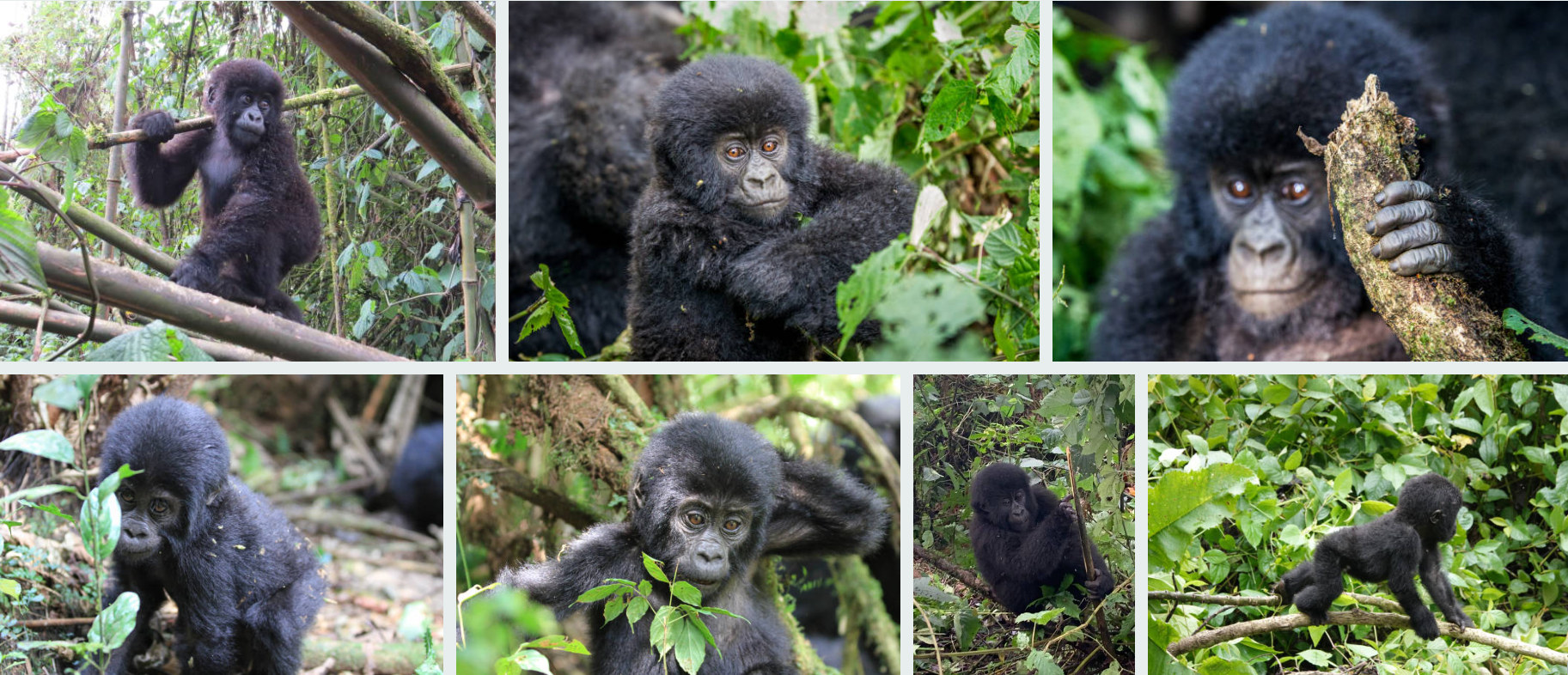
For families with younger children, alternative activities such as golden monkey tracking or nature walks in the national parks may be more suitable.

Best Accommodations for Gorilla Trekking

Choosing the right accommodation enhances the gorilla trekking experience. Lodges near gorilla habitats range from luxury retreats to budget-friendly options. Here are some top picks:

Uganda (Bwindi Impenetrable Forest & Mgahinga Gorilla National Park)

  • LuxuryClouds Mountain Gorilla Lodge – Perched on a ridge with stunning views, this lodge offers private cottages and gourmet meals.

  • Mid-RangeBuhoma Lodge – Located at the edge of Bwindi, it provides cozy cottages and excellent service.

  • BudgetBakiga Lodge – A comfortable and affordable option with a friendly atmosphere.

Rwanda (Volcanoes National Park)

  • LuxuryBisate Lodge – A high-end eco-lodge with private villas and exceptional gorilla trekking packages.

  • Mid-RangeFive Volcanoes Boutique Hotel – A stylish hotel with great views and warm hospitality.

  • BudgetMuhabura Hotel – A simple, clean option for budget-conscious travelers.

DRC (Virunga National Park)

  • LuxuryMikeno Lodge – A serene lodge with bungalows set in a lush forest.

  • BudgetBukima Tented Camp – A basic but comfortable camp near gorilla trekking starting points.

Transportation: How to Get to Gorilla Trekking Destinations

Reaching gorilla trekking destinations requires careful planning. Here’s how to get there:

1. Uganda (Bwindi & Mgahinga)

  • By Air: Fly into Entebbe International Airport, then take a domestic flight to Kisoro or Kihihi Airstrip near Bwindi.

  • By Road: A 5-7 hour drive from Kampala to Bwindi, with scenic countryside views.

2. Rwanda (Volcanoes National Park)

  • By Air: Land at Kigali International Airport, then take a 2.5-hour drive to Volcanoes National Park.

  • Helicopter Transfers: For a quicker option, some lodges offer helicopter transfers from Kigali.

3. DRC (Virunga National Park)

  • By Air: Fly into Goma International Airport, then drive 2-3 hours to Virunga.

  • Security Considerations: Due to political instability, check travel advisories before visiting.

People Nearby: Cultural Encounters Beyond Gorilla Trekking

Gorilla trekking isn’t just about wildlife—it’s also an opportunity to connect with local communities.

1. Batwa Cultural Experience (Uganda)

The Batwa Pygmies, indigenous forest dwellers, offer cultural tours where visitors learn about their traditional hunting, dancing, and medicinal plants.

2. Iby’Iwacu Cultural Village (Rwanda)

Near Volcanoes National Park, this community project allows tourists to experience Rwandan traditions, including drumming, cooking, and storytelling.

3. Local Markets & Craft Shops

Visiting nearby towns like Kisoro (Uganda) or Musanze (Rwanda) provides a chance to buy handmade crafts and interact with locals.

Paradise Places to Visit After Gorilla Trekking

Extend your adventure with these breathtaking destinations:

1. Queen Elizabeth National Park (Uganda)

  • Famous for tree-climbing lions and boat cruises on the Kazinga Channel, home to hippos and elephants.

2. Lake Kivu (Rwanda & DRC)

  • A serene freshwater lake perfect for kayaking, swimming, and relaxing at beachfront lodges.

3. Nyiragongo Volcano (DRC)

  • Hike to the world’s largest lava lake for an unforgettable overnight trek.

4. Akagera National Park (Rwanda)

  • A savanna park with lions, rhinos, and zebras—ideal for a classic safari experience.

5. Jinja (Uganda)

  • The source of the Nile offers white-water rafting, bungee jumping, and boat rides.

Final Thoughts

Gorilla trekking is a once-in-a-lifetime adventure, but it’s essential to follow the age limit (15+) for safety and conservation reasons. With excellent accommodations, well-planned transport, enriching cultural encounters, and stunning nearby attractions, a gorilla trekking trip can be the highlight of any traveler’s journey. Whether you choose Uganda, Rwanda, or the DRC, the experience of standing just meters away from a wild gorilla family is unparalleled—making every step of the journey worthwhile

Categories
featured

Are There Gorilla Trekking Group Discounts?

Are There Gorilla Trekking Group Discounts?

Gorilla trekking is a once-in-a-lifetime adventure that allows travelers to come face-to-face with endangered mountain gorillas in their natural habitat. This incredible experience is primarily available in three countries: Uganda, Rwanda, and the Democratic Republic of Congo (DRC). However, gorilla trekking permits can be expensive, often costing between 700and1,500 per person, depending on the country. Given the high cost, many travelers wonder: Are there gorilla trekking group discounts?

The answer is yes—some tour operators and national parks offer discounts for groups, making this bucket-list experience more affordable. In this article, we’ll explore how group discounts work, the best accommodations, transportation options, nearby communities, and paradise-like destinations to visit during your gorilla trekking adventure.

Understanding Gorilla Trekking Group Discounts

1. Discounts on Permits

While the official permit prices set by national parks are generally fixed, some tour operators offer discounted rates for large groups. Here’s how it works in different countries:

  • Uganda (Bwindi Impenetrable Forest & Mgahinga Gorilla National Park)

    • Standard permit: 800perperson(foreignnon?residents),700 (foreign residents), UGX 300,000 (East African residents)

    • Group discounts: Some tour operators offer 5-10% discounts for groups of 6 or more. Additionally, booking during the low season (April-May and November) may come with slight price reductions.

  • Rwanda (Volcanoes National Park)

    • Standard permit: $1,500 per person (one of the most expensive due to Rwanda’s high-end tourism approach)

    • Group discounts: Rare, but some luxury lodges or tour companies may bundle permits with accommodations at a lower rate.

  • DRC (Virunga National Park)

    • Standard permit: $400 per person (the most affordable option)

    • Group discounts: Sometimes available for large groups or combined with other activities like Nyiragongo volcano hikes.

2. Tour Operator Packages

Many safari companies provide all-inclusive gorilla trekking packages that become cheaper per person when traveling in a group. These packages may include:

  • Multiple gorilla treks

  • Accommodation (budget, mid-range, or luxury)

  • Transport (4×4 vehicles, domestic flights)

  • Additional activities (chimpanzee tracking, golden monkey trekking, community visits)

Booking as a group (6+ people) can reduce costs significantly, as expenses like transport and guide fees are shared.

Best Accommodations for Gorilla Trekking Groups

Choosing the right lodging is crucial for comfort before and after the strenuous trek. Here are top-rated accommodations near gorilla trekking destinations:

Uganda

  1. Buhoma Lodge (Bwindi Impenetrable Forest) – A luxury eco-lodge perfect for groups, offering stunning forest views.

  2. Gorilla Heights Lodge (Mgahinga) – Mid-range with cozy cottages and great group rates.

  3. Sanctuary Gorilla Forest Camp – Exclusive and ideal for small private groups.

Rwanda

  1. Bisate Lodge – A high-end, all-inclusive lodge with private villas.

  2. Sabyinyo Silverback Lodge – Community-owned and great for groups supporting local tourism.

  3. Mountain Gorilla View Lodge – Budget-friendly with excellent service.

DRC (Virunga National Park)

  1. Mikeno Lodge – Luxury in the heart of Virunga.

  2. Bukima Tented Camp – Close to gorilla trekking starting points.

  3. Kibumba Lodge – Affordable with great group facilities.

Transportation Options for Groups

Getting to gorilla trekking destinations requires careful planning. Here are the best transport options for groups:

1. Private 4×4 Safari Vehicles

  • Best for flexibility and comfort.

  • Can accommodate 6-9 people.

  • Often included in tour packages.

2. Domestic Flights (Rwanda & Uganda)

  • Rwanda: Fly from Kigali to Musanze (near Volcanoes NP).

  • Uganda: Charter flights from Entebbe to Kisoro or Kihihi (near Bwindi).

  • Saves time but is more expensive.

3. Public Transport (Budget Option)

  • Matatus (shared taxis) or buses operate in Uganda and Rwanda.

  • Not recommended for large groups due to limited space.

People Nearby: Cultural Experiences Beyond Gorilla Trekking

Gorilla trekking isn’t just about wildlife—it’s also an opportunity to engage with local communities. Here are some cultural activities to consider:

1. Batwa Cultural Experience (Uganda)

  • The Batwa pygmies, former forest dwellers, share their traditions through dance and storytelling.

2. Iby’Iwacu Cultural Village (Rwanda)

  • A community-based project where former poachers now showcase Rwandan culture.

3. Nyiragongo Volcano Hike (DRC)

  • A thrilling overnight trek to see the world’s largest lava lake.

Paradise Places to Visit After Gorilla Trekking

Extend your trip with these breathtaking destinations:

1. Lake Bunyonyi (Uganda)

  • A serene lake with over 29 islands, perfect for relaxation.

2. Nyungwe Forest National Park (Rwanda)

  • Famous for canopy walks and chimpanzee tracking.

3. Idjwi Island (DRC)

  • The largest inland island in Africa, offering untouched beauty.

4. Queen Elizabeth National Park (Uganda)

  • Known for tree-climbing lions and boat safaris on the Kazinga Channel.

Final Thoughts: Is Gorilla Trekking Worth It?

Despite the high costs, gorilla trekking is a life-changing experience, and group discounts make it more accessible. By booking with a reputable tour operator, choosing the right accommodations, and combining the trek with other adventures, you can maximize value while supporting conservation and local communities.

If you’re planning a trip, start organizing your group early to secure the best deals. Whether in Uganda, Rwanda, or DRC, the memories of standing just meters away from a wild mountain gorilla will stay with you forever.

Categories
featured

Are There Gorilla Trekking Health Risks?

Are There Gorilla Trekking Health Risks?

Gorilla trekking is a once-in-a-lifetime experience that allows adventurers to come face-to-face with majestic mountain gorillas in their natural habitat. This thrilling activity, primarily available in Uganda, Rwanda, and the Democratic Republic of Congo (DRC), attracts thousands of tourists each year. However, while the experience is undeniably rewarding, many travelers wonder: Are there gorilla trekking health risks?

The answer is yes—there are potential health risks associated with gorilla trekking, ranging from physical challenges to disease exposure. However, with proper preparation, vaccinations, and adherence to safety guidelines, these risks can be minimized. In this article, we will explore the potential health hazards, how to mitigate them, the best accommodations and transport options, the impact on local communities, and some breathtaking paradise destinations to visit during your gorilla trekking adventure.

Potential Health Risks of Gorilla Trekking

1. Physical Exertion and Altitude Sickness

Gorilla trekking involves hiking through dense forests, steep terrain, and high-altitude regions, which can be physically demanding. Many trekking locations, such as Bwindi Impenetrable National Park in Uganda and Volcanoes National Park in Rwanda, sit at elevations of 2,500 to 4,000 meters above sea level.

  • Risk: Altitude sickness, muscle fatigue, dehydration, and joint strain.

  • Prevention:

    • Train physically before the trek (cardio and leg exercises).

    • Stay hydrated and take frequent breaks.

    • Acclimatize for a day or two before the trek if possible.

2. Infectious Diseases

Since gorillas share about 98% of their DNA with humans, they are susceptible to many of the same diseases. Tourists can unknowingly transmit illnesses to gorillas, and vice versa.

  • Common Risks:

    • Respiratory Infections: Colds, flu, and even COVID-19 can spread between humans and gorillas.

    • Ebola Virus: Though rare, past outbreaks have affected gorilla populations.

    • Parasitic Infections: Diseases like malaria and yellow fever are present in tropical regions.

  • Prevention:

    • Maintain a 7-meter distance from gorillas (as per park rules).

    • Wear a mask if you have respiratory symptoms.

    • Get vaccinated (Yellow Fever, Hepatitis A & B, Typhoid).

    • Take anti-malaria prophylaxis before, during, and after your trip.

3. Wildlife and Insect-Related Risks

The forests where gorillas live are also home to other wildlife, insects, and parasites.

  • Possible Threats:

    • Insect Bites: Mosquitoes (malaria, dengue), tsetse flies (sleeping sickness), and ticks.

    • Snakes & Other Wildlife: Though rare, venomous snakes and forest elephants can pose dangers.

  • Prevention:

    • Use DEET-based insect repellent and wear long-sleeved clothing.

    • Sleep under mosquito nets.

    • Follow your guide’s instructions to avoid dangerous wildlife.

4. Food and Waterborne Illnesses

Travelers in remote areas may encounter contaminated food or water.

  • Risks: Diarrhea, cholera, typhoid, and hepatitis A.

  • Prevention:

    • Drink only bottled or purified water.

    • Avoid raw or undercooked food.

    • Wash hands frequently or use hand sanitizer.

Best Accommodations for Gorilla Trekking

Staying in comfortable, hygienic lodges is crucial for minimizing health risks. Here are some top-rated accommodations near gorilla trekking destinations:

Uganda (Bwindi & Mgahinga National Parks)

  • Buhoma Lodge – Eco-friendly luxury with stunning forest views.

  • Clouds Mountain Gorilla Lodge – High-end, excellent service, close to trekking points.

  • Sanctuary Gorilla Forest Camp – Tented luxury with expert guides.

Rwanda (Volcanoes National Park)

  • Bisate Lodge – Ultra-luxury villas with volcano views.

  • Sabyinyo Silverback Lodge – High comfort, community-owned.

  • Virunga Lodge – Panoramic views of lakes and volcanoes.

DRC (Virunga National Park)

  • Mikeno Lodge – Luxury in the heart of Virunga.

  • Bukima Tented Camp – Close to gorilla families, basic but safe.

Transportation: Getting to Gorilla Trekking Destinations Safely

Road conditions in gorilla trekking regions can be rough, and air travel is sometimes necessary.

Uganda

  • By Road: From Kampala to Bwindi (~10 hours), 4×4 vehicles recommended.

  • By Air: Charter flights from Entebbe to Kisoro or Kihihi airstrips.

Rwanda

  • By Road: Kigali to Volcanoes NP (~2.5 hours), well-maintained roads.

  • Helicopter Transfers: Available for a quicker, scenic route.

DRC

  • By Road/Raft: From Goma to Virunga, sometimes requiring boat crossings.

  • Security Note: Check travel advisories due to political instability.

People Nearby: The Impact on Local Communities

Gorilla tourism significantly benefits local economies, providing jobs for guides, porters, and lodge staff. However, there are concerns:

  • Positive Impacts:

    • Employment opportunities.

    • Funding for conservation and community projects.

  • Negative Risks:

    • Over-tourism can strain resources.

    • Human-wildlife conflict if gorillas leave parks.

Responsible tourism tips:

  • Hire local guides & porters to support the community.

  • Follow strict park rules to protect gorillas.

  • Avoid giving money directly to children (donate to schools instead).

Paradise Places to Visit During Your Gorilla Trekking Trip

While gorilla trekking is the highlight, these destinations offer additional breathtaking experiences:

Uganda

  • Queen Elizabeth National Park – Tree-climbing lions & boat safaris on the Kazinga Channel.

  • Murchison Falls – The Nile crashing through a narrow gorge.

  • Lake Bunyonyi – A serene, bilharzia-free lake with island resorts.

Rwanda

  • Lake Kivu – Relax on sandy beaches with stunning sunsets.

  • Nyungwe Forest – Canopy walks & chimpanzee tracking.

  • Akagera National Park – Classic savanna safaris with lions & rhinos.

DRC

  • Nyiragongo Volcano – Hike to the world’s largest lava lake.

  • Idjwi Island – A peaceful retreat on Lake Kivu.

 Is Gorilla Trekking Safe?

While gorilla trekking does carry some health risks—physical strain, disease exposure, and wildlife encounters—these can be managed with proper precautions. By getting the right vaccinations, staying in hygienic lodges, following park rules, and preparing physically, you can enjoy this incredible adventure safely.

Moreover, gorilla tourism plays a vital role in conservation and community development. By choosing responsible tour operators and respecting wildlife guidelines, you contribute to protecting these endangered animals while experiencing one of the most profound wildlife encounters on Earth.

Categories
featured

Are there female gorilla trekking guides?

Are There Female Gorilla Trekking Guides? Breaking Barriers in Wildlife Tourism

Female Gorilla Trekking Guides, Gorilla trekking is one of the most sought-after wildlife experiences in the world, attracting thousands of tourists to destinations like Rwanda, Uganda, and the Democratic Republic of Congo (DRC) each year. This activity involves hiking through dense forests to observe endangered mountain gorillas in their natural habitat. Traditionally, gorilla trekking has been a male-dominated field, with most guides being men. However, in recent years, women have begun to break into this profession, challenging stereotypes and paving the way for greater gender diversity in wildlife tourism.

This article explores the presence of female gorilla trekking guides, the challenges they face, their contributions to conservation and tourism, and the future of women in this field.

The Traditional Role of Men in Gorilla Trekking

Historically, gorilla trekking guiding has been a male-dominated profession for several reasons:

  1. Physical Demands – Trekking through rugged terrain at high altitudes requires endurance, and it was often assumed that men were better suited for this physically demanding job.

  2. Cultural Norms – In many African societies, outdoor and wildlife-related jobs have been traditionally reserved for men, while women were expected to focus on domestic roles.

  3. Security Concerns – Working in remote forests with wild animals was seen as risky, and women were often discouraged from taking such roles.

Despite these barriers, a growing number of women are entering the field, proving that they are just as capable as their male counterparts.

Pioneering Female Gorilla Trekking Guides

While still a minority, female gorilla trekking guides are making their mark in Rwanda, Uganda, and the DRC. Some notable examples include:

1. Felicita Niyitegeka – Rwanda

Felicita is one of the first female gorilla trekking guides in Rwanda’s Volcanoes National Park. She began her career as a porter, carrying supplies for tourists, before training as a guide. Her deep knowledge of gorilla behavior and passion for conservation has made her a respected figure in the industry.

2. Edith Kabesiime – Uganda

Edith works as a guide in Uganda’s Bwindi Impenetrable Forest, home to nearly half of the world’s mountain gorillas. She has spoken about the challenges of being a woman in a male-dominated field but emphasizes that perseverance and skill have earned her recognition.

3. Congolese Women in Virunga National Park

In the DRC’s Virunga National Park, a few women have joined the ranks of gorilla trekking guides, despite the region’s instability. Their presence is a testament to their resilience and commitment to wildlife conservation.

Challenges Faced by Female Gorilla Trekking Guides

Despite their growing numbers, women in this profession encounter several obstacles:

1. Gender Stereotypes

Many people still assume that women are not strong enough for the physical demands of trekking. Female guides often have to work harder to prove their capabilities.

2. Limited Opportunities for Training

Access to guide training programs has historically been biased toward men. Organizations are now working to provide more inclusive training, but progress is slow.

3. Balancing Family and Work

Guiding often involves long hours in remote locations, which can conflict with traditional family responsibilities placed on women.

4. Safety Concerns

Working in forests with potential dangers (from wildlife or even human threats in conflict-prone areas) can be a deterrent for women entering the field.

Why Female Gorilla Trekking Guides Matter

The inclusion of women in gorilla trekking is not just about equality—it brings tangible benefits to conservation and tourism:

1. Diverse Perspectives in Conservation

Women often have unique insights into community-based conservation, helping bridge gaps between park authorities and local populations.

2. Encouraging Female Tourists

Many women travelers feel more comfortable with female guides, especially in male-dominated environments. This inclusivity enhances the overall trekking experience.

3. Breaking Cultural Barriers

Female guides serve as role models, inspiring young girls to pursue careers in wildlife, science, and tourism—fields traditionally dominated by men.

4. Enhancing Gorilla Research

Studies suggest that female guides can sometimes have a calming effect on gorillas, as the animals may perceive them as less threatening. This can lead to better observational data.

Organizations Supporting Women in Gorilla Trekking

Several initiatives are helping to increase female participation in gorilla trekking:

1. The Akashinga Model (Inspired by Zimbabwe’s All-Female Anti-Poaching Unit)

While not directly about gorilla trekking, this model shows how women can excel in wildlife protection, inspiring similar programs in East Africa.

2. Rwanda’s Tourism Policy

Rwanda has been a leader in promoting gender equality in all sectors, including tourism. The government encourages the training and employment of female guides.

3. Uganda Wildlife Authority (UWA) Initiatives

UWA has introduced programs to recruit and train more women as rangers and guides, recognizing their value in conservation.

The Future of Female Gorilla Trekking Guides

The number of women in gorilla trekking is gradually increasing, but more efforts are needed to ensure equal opportunities. Possible steps include:

  • Scholarships for Female Guides – Providing financial support for women to attend guide training programs.

  • Mentorship Programs – Experienced female guides mentoring newcomers to build confidence and skills.

  • Awareness Campaigns – Changing perceptions by highlighting the successes of female guides in media and tourism promotions.

While female gorilla trekking guides are still a minority, their presence is growing, challenging long-held stereotypes and enriching the wildlife tourism industry. These women are not only proving their capability in a physically demanding job but also contributing to gorilla conservation and inspiring future generations.

As more organizations and governments recognize the importance of gender diversity in conservation, we can expect to see an increasing number of women leading treks through the misty forests of Rwanda, Uganda, and the DRC. Their stories are a powerful reminder that passion and determination can break down even the most entrenched barriers

Categories
featured

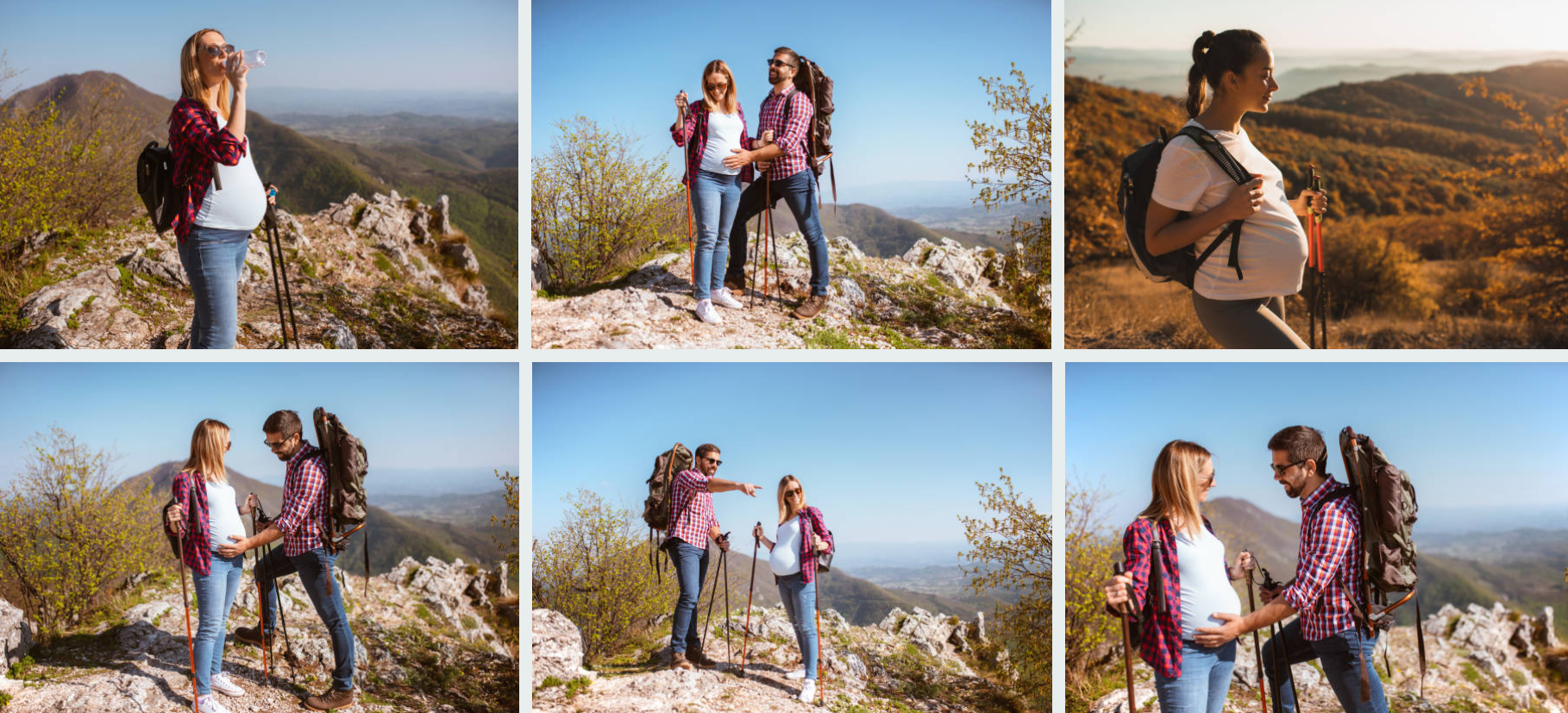
Can I Trek Gorillas During Pregnancy?

Can I Trek Gorillas During Pregnancy?

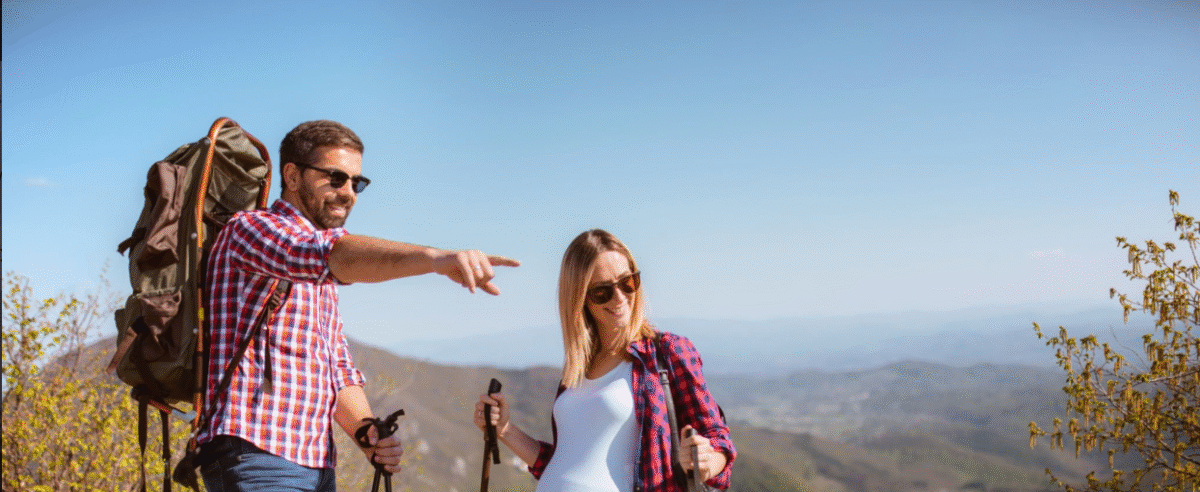
Pregnant Gorilla Trekking Risks, Trekking to see mountain gorillas in their natural habitat is a once-in-a-lifetime experience for many travelers. The lush forests of Uganda, Rwanda, and the Democratic Republic of Congo (DRC) offer breathtaking encounters with these majestic creatures. However, if you’re pregnant, you may wonder: Is it safe to trek gorillas during pregnancy?

The answer isn’t straightforward. While gorilla trekking is a physically demanding activity, some pregnant women—depending on their health, fitness level, and stage of pregnancy—may still consider it. This article explores the safety concerns, alternative experiences, recommended accommodations, transportation options, nearby communities, and other paradise-like destinations to visit if gorilla trekking isn’t advisable during pregnancy.

Is Gorilla Trekking Safe for Pregnant Trekking Risks?

Gorilla trekking involves hiking through dense forests, often on steep, muddy, and uneven terrain. Treks can last anywhere from 30 minutes to several hours, depending on the gorillas’ location. Here are key factors to consider:

1. Physical Demands

  • Hiking Difficulty: The terrain can be strenuous, with high altitudes (especially in Rwanda and Uganda).

  • Duration: Even short treks require endurance, and there are no shortcuts—once you start, you must complete the trek.

  • Altitude Sickness: Some gorilla trekking regions are at high elevations, which can be risky during pregnancy.

2. Medical Advice

Most doctors advise against strenuous activities, especially in the first and third trimesters. The second trimester is generally the safest for travel, but gorilla trekking may still be too demanding.

3. Risks Involved

  • Falls or slips on slippery paths.

  • Exhaustion from prolonged hiking.

  • Limited medical facilities in remote areas.

4. Alternative Wildlife Experiences

If trekking isn’t advisable, consider:

  • Golden Monkey Trekking (Rwanda/Uganda) – Shorter, less strenuous.

  • Wildlife Safaris in Queen Elizabeth National Park or Akagera National Park.

  • Boat Cruises (e.g., Kazinga Channel or Lake Bunyonyi).

Best Accommodations for Pregnant Gorilla Trekking Risks

If you decide to visit gorilla regions without trekking (or if you’re accompanying a group), these luxurious and comfortable lodges offer relaxation and stunning views:

1. Rwanda

  • Bisate Lodge (Volcanoes National Park) – Eco-luxury villas with breathtaking volcano views.

  • One&Only Gorilla’s Nest – A serene retreat with spa facilities.

  • Virunga Lodge – Overlooking Lake Burera, perfect for relaxation.

2. Uganda

  • Clouds Lodge (Bwindi Impenetrable Forest) – High-end cottages with panoramic forest views.

  • Sanctuary Gorilla Forest Camp – Luxury tents right in the jungle.

  • Mahogany Springs – Spacious suites with modern comforts.

3. Congo (DRC)

  • Mikeno Lodge (Virunga National Park) – A peaceful haven surrounded by nature.

These lodges provide excellent service, gourmet meals, and opportunities for gentle nature walks or cultural visits.

Transportation: Safe and Comfortable Options

Getting to gorilla trekking destinations requires careful planning, especially during pregnancy:

1. By Air

  • Rwanda: Fly into Kigali, then take a short domestic flight or private transfer to Musanze (2.5-hour drive).

  • Uganda: Fly into Entebbe, then take a domestic flight to Kisoro or Kihihi near Bwindi.

  • DRC: Fly into Goma, then drive to Virunga (though security conditions should be checked).

2. By Road

  • Private 4×4 transfers are the most comfortable option, with stops for breaks.

  • Avoid long bumpy rides—roads in rural areas can be rough.

3. Helicopter Transfers (Uganda/Rwanda)

For those who prefer avoiding long drives, helicopter services are available from Kigali or Entebbe directly to lodges near gorilla parks.

Engaging with Local Communities

One of the most enriching aspects of visiting gorilla regions is interacting with nearby communities. If trekking isn’t an option, consider:

1. Cultural Experiences

  • Batwa Pygmy Community (Uganda): Learn about indigenous forest life.

  • Iby’Iwacu Cultural Village (Rwanda): Traditional dances, crafts, and storytelling.

  • Coffee Plantation Tours (Rwanda/Uganda): Sample locally grown coffee.

2. Community Walks & Crafts

  • Visit women’s cooperatives making baskets or jewelry.

  • Support local schools or health centers through responsible tourism initiatives.

Paradise Places to Visit Instead of Gorilla Trekking

If gorilla trekking isn’t suitable during pregnancy, these stunning destinations offer relaxation and adventure without the physical strain:

1. Lake Bunyonyi, Uganda

  • A serene lake with over 29 islands.

  • Stay at BirdNest Resort or Bunyonyi Overlook Resort for stunning views.

  • Enjoy canoeing, birdwatching, and nature walks.

2. Nyungwe Forest, Rwanda

  • Famous for canopy walks (gentler than gorilla trekking).

  • Chimpanzee tracking (less strenuous than gorillas).

  • Stay at One&Only Nyungwe House for luxury amidst tea plantations.

3. Zanzibar, Tanzania

  • Pristine beaches, spice tours, and historic Stone Town.

  • Perfect for post-safari relaxation.

4. Seychelles

  • If you want an extended tropical getaway, Seychelles offers breathtaking beaches and luxury resorts.

5. Rwanda’s Tea Trails

  • Scenic walks through lush tea plantations in Gisovu or Gisenyi.

Final Verdict: Should You Trek Gorillas While Pregnant?

While the desire to see mountain gorillas is understandable, the physical demands and potential risks make it inadvisable for most pregnant travelers. Instead, consider:

  • Gentler wildlife experiences (safaris, boat cruises).

  • Luxury lodge stays with forest views.

  • Cultural and relaxation-focused trips to nearby paradise destinations.

Always consult your doctor before planning any adventurous travel during pregnancy. If gorilla trekking isn’t an option now, the mountains and gorillas will still be there for a future visit—when you can fully enjoy the experience safely.

Pregnancy is a special time that calls for caution, but it doesn’t mean you can’t enjoy a memorable African adventure. By choosing alternative activities, staying in beautiful lodges, and exploring nearby attractions, you can still have an incredible journey—without compromising safety. Whether it’s lounging by Lake Bunyonyi, taking a canopy walk in Nyungwe, or enjoying a safari, East Africa offers plenty of breathtaking experiences for expectant mothers.

Categories
featured

What’s the Shortest Gorilla Trek Possible?

What’s the Shortest Gorilla Trek Possible?

Shortest Gorilla Trek Possible, Gorilla trekking is a once-in-a-lifetime experience that allows travelers to observe endangered mountain gorillas in their natural habitat. While many treks can take several hours of hiking through dense forests and steep terrain, some visitors prefer—or require—a shorter trek due to physical limitations or time constraints.

So, what’s the shortest gorilla trek possible? The answer depends on several factors, including the location of the gorilla family, weather conditions, and the trekking destination. In some cases, treks can be as short as 30 minutes to 1 hour, while others may take 3-6 hours or more.

Factors That Determine Gorilla Trek Duration

1. Location of the Gorilla Family

Gorillas are wild animals, meaning they move freely within their natural habitat. Some gorilla families (habituated groups accustomed to human presence) may be found near the edge of the forest, while others may be deep in the jungle. Park rangers track their movements daily, so the starting point of your trek depends on where the gorillas were last seen.

  • Shortest Scenario: If a gorilla family is close to the park headquarters or the edge of the forest, your trek could be as short as 30 minutes to 1 hour.

  • Longer Scenario: If the gorillas have moved deeper into the forest or up steep slopes, the trek could take 3-6 hours or more.

2. Shortest Gorilla Trek Possible  Destination

Not all gorilla trekking destinations are equal in terms of terrain and accessibility. Some parks have more accessible trails, while others require strenuous hiking.

Best Destinations for Shortest Gorilla Trek Possible

Destination Country Likelihood of Short Trek Notes
Bwindi Impenetrable Forest Uganda Moderate Some gorilla families (e.g., Habinyanja, Mubare) are often closer to starting points.
Mgahinga Gorilla National Park Uganda High Only one habituated gorilla group (Nyakagezi), but terrain is less dense than Bwindi.
Volcanoes National Park Rwanda Moderate-High Well-maintained trails; some gorilla families (e.g., Susa, Amahoro) may be nearby.
Virunga National Park DRC Low-Moderate More unpredictable due to security and gorilla movements.

Among these, Mgahinga Gorilla National Park (Uganda) and Volcanoes National Park (Rwanda) tend to offer the shortest treks due to their relatively easier terrain and smaller park sizes.

3. Weather and Season

  • Dry Season (June-September, December-February): Trails are firmer, making trekking faster. Gorillas may also stay at lower elevations.

  • Wet Season (March-May, October-November): Muddy, slippery trails can slow down trekkers, increasing trek duration.

4. Fitness Level of the Group

Gorilla trekking groups move at the pace of the slowest member. If you’re in a group with elderly or less fit trekkers, the guides may choose a closer gorilla family to accommodate everyone.

How to Increase Your Chances of a Short Gorilla Trek

While you can’t control where the gorillas are, you can take steps to improve your odds of a shorter hike:

1. Request an Easier Gorilla Family

When booking your permit, ask your tour operator or the park authorities about gorilla families known for shorter treks. Some groups, like:

  • Mubare (Bwindi, Uganda) – Often found at lower elevations.

  • Nyakagezi (Mgahinga, Uganda) – The only group in Mgahinga, sometimes near the park edges.

  • Amahoro (Volcanoes, Rwanda) – Known for relatively easier access.

2. Trek in the Dry Season

Since trails are less muddy and gorillas may stay at lower altitudes, dry season treks are often quicker.

3. Go to Rwanda or Mgahinga (Uganda)

Rwanda’s Volcanoes National Park has better infrastructure and shorter average trek times (1-4 hours) compared to Uganda’s Bwindi. Mgahinga is also a great option for shorter hikes.

4. Hire a Porter

Porters help carry your backpack and even assist you on steep sections, making the trek feel easier and faster.

5. Arrive Early for Briefing

Park rangers assign gorilla families based on fitness levels. If you request an easier trek during the briefing, they may accommodate you.

What If You Can’t Hike at All? Are There Alternatives?

For travelers with mobility issues, some parks offer alternatives:

1. Gorilla Habituation Experience (Uganda)

This is a 4-hour interaction with a semi-habituated gorilla group, but the trek can still be long. However, since rangers know their location in advance, you may get a shorter hike.

2. Golden Monkey Trekking (Rwanda/Uganda)

If gorilla trekking seems too strenuous, consider golden monkey trekking in Volcanoes or Mgahinga. These treks are usually shorter (1-2 hours).

3. Visit a Gorilla Sanctuary

While not the same as wild trekking, places like Senkwekwe Gorilla Orphanage (DRC) allow close encounters with rescued gorillas without hiking.

Can You Really Have a 30-Minute Gorilla Trek?

Yes, it’s possible—but rare. The shortest gorilla treks (under 1 hour) happen when:
? The assigned gorilla family is near the starting point.
? You trek in Rwanda or Mgahinga (Uganda).
? You visit in the dry season.

Most treks last 1-4 hours, but with the right planning, you can maximize your chances of a shorter hike. Whether you get a 30-minute trek or a 4-hour adventure, seeing mountain gorillas in the wild is an unforgettable experience worth every step.

Final Tips for a Short Gorilla Trek

  • Book permits early and request an easier gorilla group.

  • Choose Rwanda or Mgahinga for higher chances of a short hike.

  • Trek in the dry season for better trail conditions.

  • Hire a porter for assistance.

  • Be flexible—gorilla movements are unpredictable!

By following these tips, you’ll increase your chances of a shorter, more manageable gorilla trek while still enjoying one of the most incredible wildlife encounters on Earth.

Categories
featured

Can I Touch Gorillas During Trekking? A Comprehensive Guide

Can I Touch Gorillas During Trekking? A Comprehensive Guide

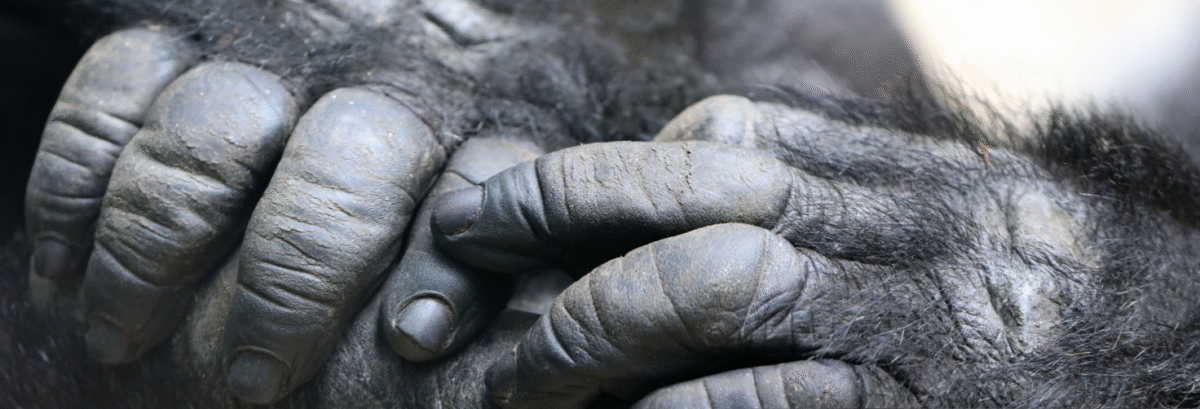
Don’t Touch Gorillas, Gorilla trekking is one of the most thrilling wildlife experiences in the world, offering a rare opportunity to observe mountain gorillas in their natural habitat. Many travelers dream of encountering these majestic creatures up close, leading to a common question: Can I touch gorillas during trekking?

The short answer is no—touching gorillas is strictly prohibited for several important reasons. In this article, we will explore:

  1. Why Touching Gorillas is Not Allowed

  2. The Risks of Human-Gorilla Contact

  3. Rules and Regulations of Gorilla Trekking

  4. How Close Can You Get to Gorillas?

  5. Responsible Gorilla Tourism Practices

  6. Alternatives to Touching Gorillas for a Memorable Experience

By the end, you’ll understand why maintaining a safe distance is crucial for both gorillas and humans.

1. Why Don’t Touch Gorillas recommended

Gorilla trekking takes place in the wild, where gorillas live in their natural social groups. While they may appear calm and habituated to human presence, they are still wild animals with unpredictable behavior.

A. Protection of Gorillas

Mountain gorillas are an endangered species, with only about 1,000 individuals remaining in the wild. Human contact poses several risks:

  • Disease Transmission: Gorillas share about 98% of their DNA with humans, making them highly susceptible to human diseases such as the flu, COVID-19, and even the common cold. A simple touch could introduce pathogens that their immune systems cannot handle.

  • Stress and Behavioral Changes: Physical contact can cause stress, leading gorillas to become aggressive or abandon their natural behaviors.

B. Human Safety

Despite their gentle reputation, gorillas are incredibly strong—an adult silverback can weigh up to 400 pounds (180 kg) and has the strength to crush bones. If a gorilla feels threatened, it may charge or attack in self-defense.

C. Legal and Conservation Policies

National parks in Uganda, Rwanda, and the Democratic Republic of Congo (DRC) enforce strict rules to protect gorillas. Touching them violates wildlife protection laws and can result in fines or expulsion from the park.

2. The Risks of Human-Gorilla Contact

A. Disease Transmission (Zoonotic Risks)

As mentioned, gorillas can easily catch human illnesses. Respiratory infections, in particular, have been known to devastate gorilla populations. In 2009, a human respiratory virus killed several gorillas in Rwanda, highlighting the dangers of close contact.

B. Disruption of Natural Behavior

Gorillas that become too accustomed to humans may:

  • Lose their fear of people, increasing the risk of poaching.

  • Approach human settlements in search of food, leading to conflicts.

  • Exhibit unnatural behaviors that affect their social structure.

C. Potential for Aggression

While habituated gorillas tolerate human presence, they still have boundaries. A sudden touch could be interpreted as a threat, especially by a dominant silverback protecting his family.

3. Rules and Regulations of Gorilla Trekking

To minimize risks, all gorilla trekking destinations follow strict guidelines set by the International Gorilla Conservation Programme (IGCP) and local wildlife authorities.

Key Rules During Gorilla Trekking:

Maintain a 7-meter (23-foot) distance from gorillas at all times.
Do not eat, drink, or smoke near gorillas (to avoid disease spread).
Keep your voice low—no shouting or sudden movements.
Follow the guide’s instructions at all times.
Do not use flash photography—it can agitate gorillas.
Never attempt to touch a gorilla.
Do not mimic gorilla sounds or gestures.

Breaking these rules can lead to immediate expulsion from the trek and legal consequences.

4. How Close Can You Get to Gorillas?

While you cannot touch gorillas, you can still get remarkably close—sometimes within 3-5 meters (10-15 feet). Habituated gorillas may even approach out of curiosity, but you must slowly back away to maintain distance.

What If a Gorilla Touches You?

In rare cases, a young gorilla might playfully approach or brush past you. If this happens:

  • Stay calm and still.

  • Do not reach out or attempt to touch back.

  • Allow the gorilla to move away on its own.

Your guide will intervene if necessary, but such encounters are rare and should not be encouraged.

5. Responsible Gorilla Tourism Practices

Sustainable tourism ensures gorillas remain protected while allowing visitors to enjoy this incredible experience.

A. Choose Ethical Tour Operators

Book with licensed tour companies that follow conservation guidelines. Avoid operators that promise “close encounters” or illegal interactions.

B. Support Conservation Efforts

Your trekking permit fees (ranging from 600?1,500) directly fund:

  • Anti-poaching patrols

  • Veterinary care for gorillas

  • Community development projects

C. Follow Health Precautions

  • Wear a mask if required (some parks still enforce this post-COVID).

  • Stay home if you’re sick—even a mild cold can harm gorillas.

6. Alternatives to Touching Gorillas for a Memorable Experience

While you can’t touch gorillas, there are other ways to make your trek unforgettable:

A. Observe Their Behavior

Watching gorillas interact—feeding, grooming, playing—is a deeply moving experience. Silverbacks display dominance, mothers care for infants, and juveniles playfully wrestle.

B. Take Photos (Responsibly)

Capture stunning shots without flash and from a safe distance.

C. Learn from Guides

Experienced trackers share fascinating insights about gorilla families, their history, and conservation efforts.

D. Visit Gorilla Orphanages (Sanctuaries)

If you want closer (but still safe) interactions, consider visiting:

  • Senkwekwe Center (DRC) – Home to orphaned mountain gorillas.

  • Ngamba Island Chimpanzee Sanctuary (Uganda) – For rescued chimps.

These facilities allow ethical observation without disrupting wild populations.

 Why Don’t Touch Gorillas in  Distance Matters

While the desire to touch a gorilla is understandable, the risks far outweigh the momentary thrill. By following guidelines, you help ensure gorillas survive for future generations.

Final Takeaways:

Touching gorillas is prohibited for their safety and yours.
Stay 7+ meters away to prevent disease transmission.
Follow park rules to avoid legal penalties.
Support ethical tourism to protect these endangered animals.

Gorilla trekking is a privilege—one that requires respect and responsibility. By observing without touching, you contribute to the survival of one of Earth’s most magnificent species.

Would you like recommendations for the best gorilla trekking destinations? Let me know in the comments!


Warning: Undefined variable $has_footer_menu in /home/gorillatourseast/domains/gorillatourseastafrica.com/public_html/wp-content/themes/twenty-twenty-child/template-parts/footer-menus-widgets.php on line 13

Warning: Undefined variable $has_social_menu in /home/gorillatourseast/domains/gorillatourseastafrica.com/public_html/wp-content/themes/twenty-twenty-child/template-parts/footer-menus-widgets.php on line 13

Warning: Undefined variable $has_sidebar_1 in /home/gorillatourseast/domains/gorillatourseastafrica.com/public_html/wp-content/themes/twenty-twenty-child/template-parts/footer-menus-widgets.php on line 13

Warning: Undefined variable $has_sidebar_2 in /home/gorillatourseast/domains/gorillatourseastafrica.com/public_html/wp-content/themes/twenty-twenty-child/template-parts/footer-menus-widgets.php on line 13

Talk to us about your Safari