Categories
featured

How Many People Visit Gorillas Daily?

How Many People Visit Gorillas Daily?

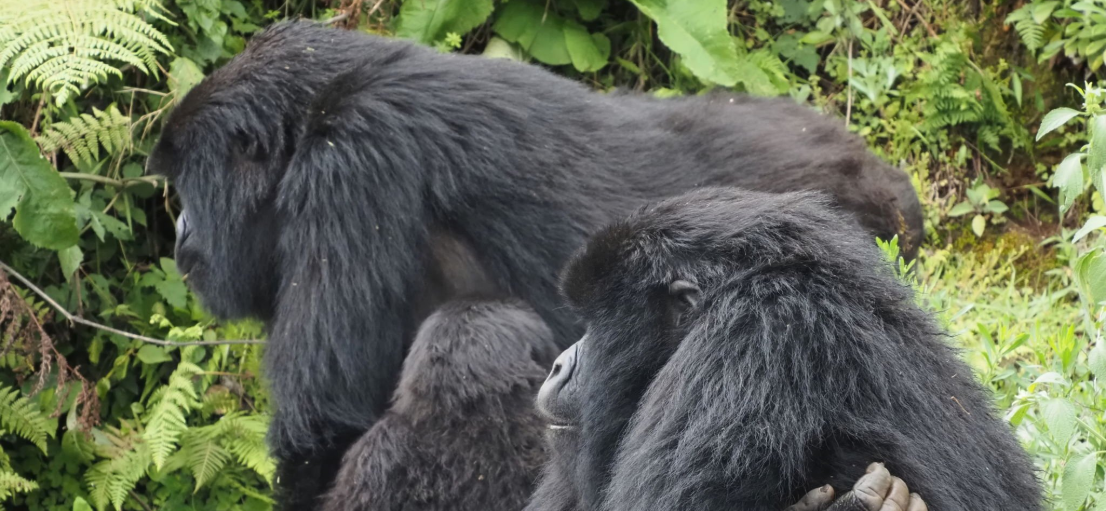
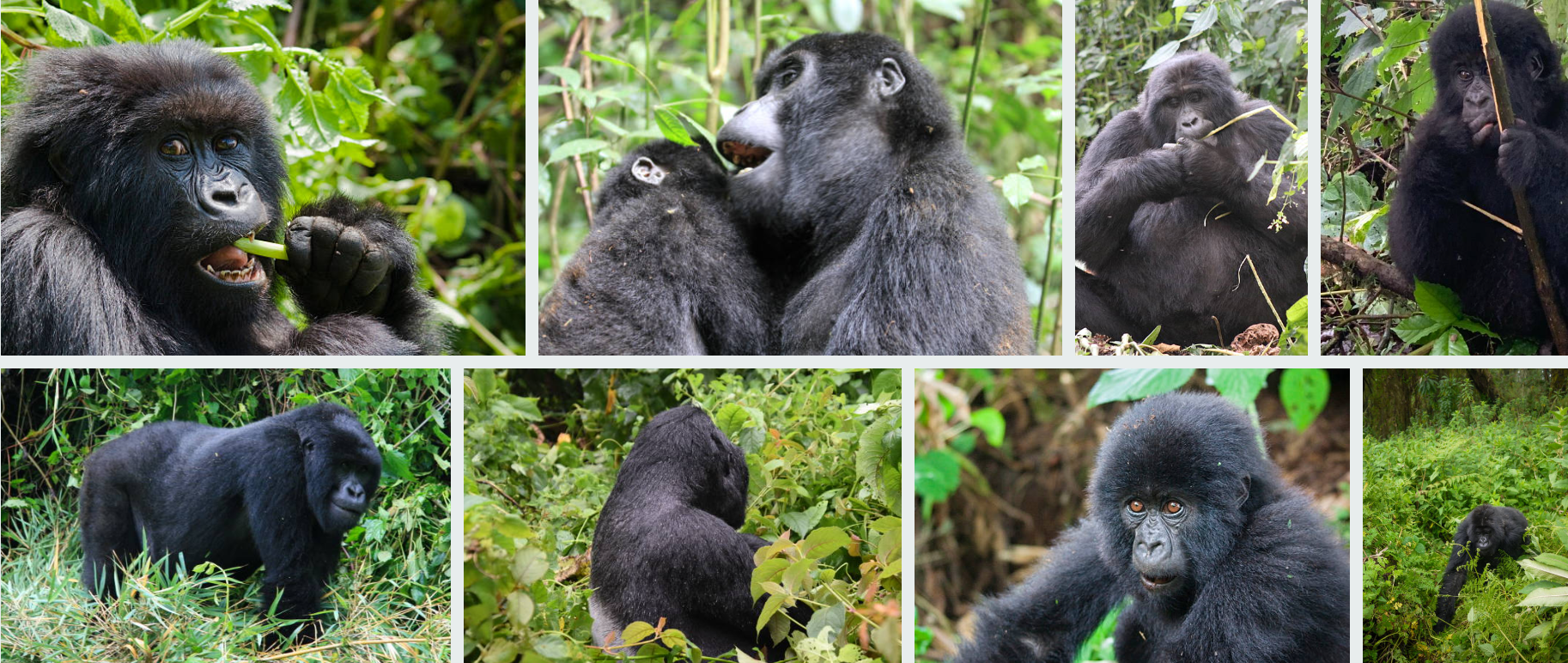
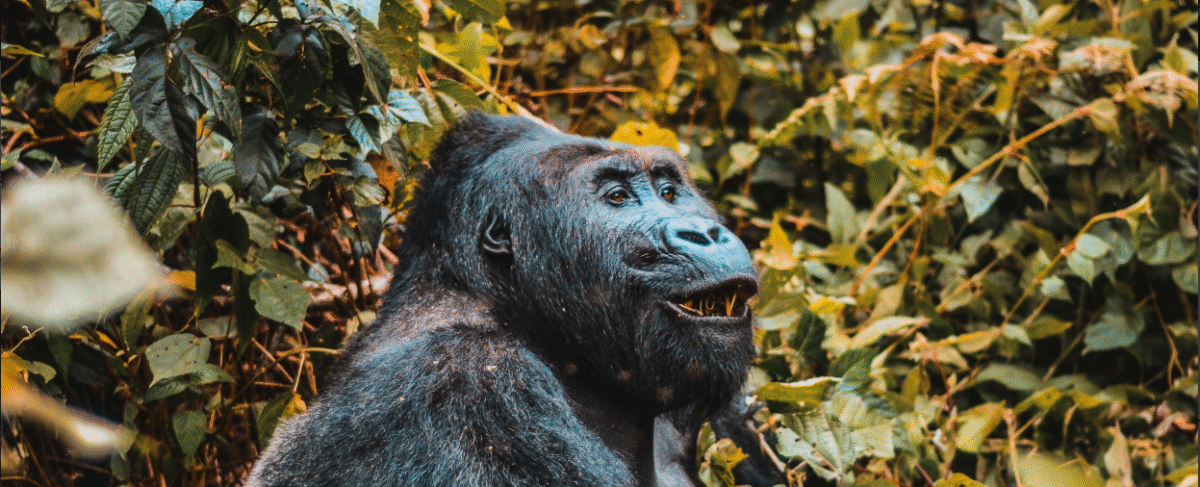
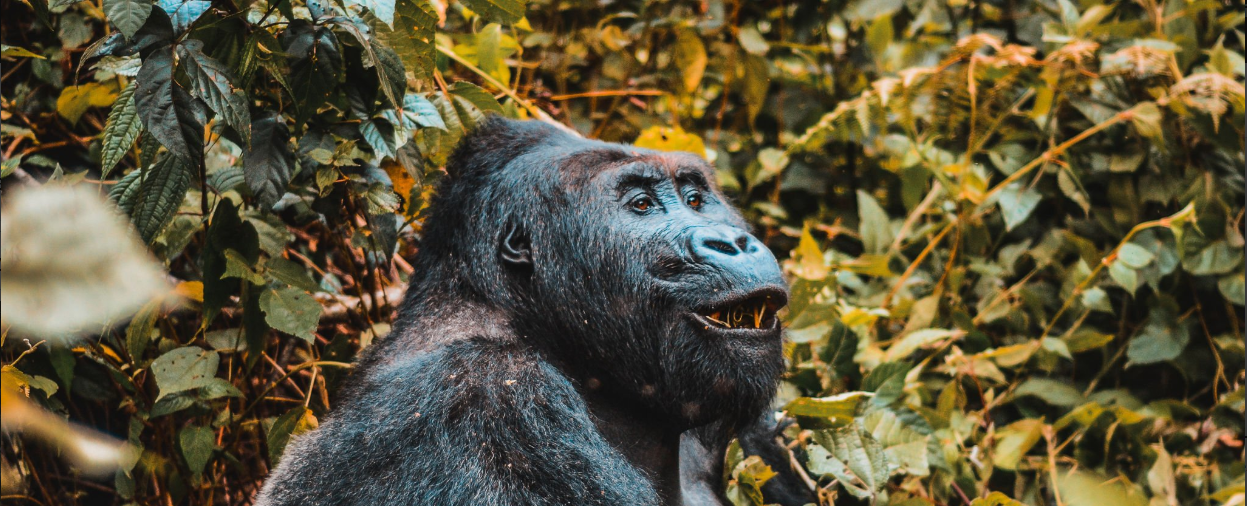
Gorilla trekking is one of the most thrilling wildlife experiences in the world, attracting thousands of tourists each year. But how many people actually visit gorillas daily? The answer varies depending on the location, conservation policies, and tourism regulations. In this article, we will explore the daily visitor numbers, the best accommodations, transportation options, nearby communities, and paradise-like destinations to visit during your gorilla trekking adventure.

Gorilla Trekking Visitor Numbers: Strict Limits for Conservation

Gorilla trekking is highly regulated to protect these endangered primates. Different countries have varying daily visitor limits:

  1. Rwanda (Volcanoes National Park) – Rwanda allows a maximum of 96 visitors per day, with only 8 people per gorilla group. Permits cost $1,500 per person, making it an exclusive experience.

  2. Uganda (Bwindi Impenetrable Forest & Mgahinga Gorilla National Park) – Uganda issues 160 permits daily, with 8 visitors per gorilla family. Permits are more affordable at $800 for foreigners and lower for East African residents.

  3. DR Congo (Virunga National Park) – Due to political instability, Virunga sees fewer tourists, with around 30-50 visitors per day when open. Permits cost $400, but tourism is often suspended due to safety concerns.

On average, between 200-300 people visit gorillas daily across Africa, with Rwanda and Uganda being the most popular destinations. These strict limits ensure minimal human impact on gorilla behavior and health.

Best Accommodations for Gorilla Trekking Visitor Numbers

Staying in comfort is essential after a long day of trekking. Here are some top lodges and hotels near gorilla habitats:

Rwanda (Volcanoes National Park)

  • Bisate Lodge – A luxury eco-lodge with stunning views of the volcanoes.

  • Virunga Lodge – Offers breathtaking scenery and high-end amenities.

  • Sabyinyo Silverback Lodge – A community-owned lodge with cozy cottages.

Uganda (Bwindi & Mgahinga)

  • Clouds Mountain Gorilla Lodge – A high-end lodge with panoramic forest views.

  • Sanctuary Gorilla Forest Camp – Located inside Bwindi, offering an immersive jungle experience.

  • Mount Gahinga Lodge – A charming lodge near Mgahinga, perfect for trekkers.

DR Congo (Virunga National Park)

  • Mikeno Lodge – A luxury lodge in Virunga, known for its tranquility.

  • Bukima Tented Camp – A rustic but comfortable option near gorilla trekking trails.

These lodges provide excellent service, delicious meals, and sometimes cultural performances, enhancing your gorilla trekking adventure.

Transportation: How to Reach Gorilla Trekking Destinations
Getting to gorilla habitats requires careful planning. Here are the best transport options:

By Air

  • Rwanda: Fly into Kigali International Airport, then take a 2-3 hour drive to Volcanoes National Park.

  • Uganda: Land at Entebbe International Airport, then take a domestic flight to Kisoro or Kihihi or a 9-hour drive to Bwindi.

  • DR Congo: Fly into Goma International Airport, then drive 2-3 hours to Virunga (when safe).

By Road

  • Private 4×4 vehicles are the best option due to rough terrain.

  • Some lodges offer shuttle services from major cities.

Helicopter Transfers (Rwanda & Uganda)

For those who prefer speed and luxury, helicopter transfers are available from Kigali to Volcanoes National Park or from Entebbe to Bwindi.

People Nearby: Communities and Cultural Experiences

Gorilla tourism supports local communities through employment and conservation programs. Some key groups near gorilla habitats include:

  • Batwa Pygmies (Uganda & Rwanda) – Indigenous forest dwellers who now offer cultural tours.

  • Bakiga Tribe (Uganda) – Known for their traditional dances and crafts.

  • Local Guides & Porters – Many former poachers now work as rangers, sharing their knowledge.

Visitors can engage in community walks, craft markets, and traditional performances, adding a rich cultural dimension to their trip.

Paradise Places to Visit Nearby

Gorilla trekking is often combined with other stunning destinations. Here are some must-visit places:

Rwanda

  • Lake Kivu – A serene lake perfect for kayaking and relaxation.

  • Nyungwe Forest National Park – Famous for chimpanzees and canopy walks.

  • Akagera National Park – A safari paradise with lions, elephants, and rhinos.

Uganda

  • Queen Elizabeth National Park – Known for tree-climbing lions and boat safaris.

  • Murchison Falls – Where the Nile River forces itself through a narrow gorge.

  • Lake Bunyonyi – A picturesque lake with over 29 islands.

DR Congo

  • Nyiragongo Volcano – Hike to the world’s largest lava lake.

  • Idjwi Island – A peaceful island in Lake Kivu with stunning views.

These destinations make a gorilla trekking trip even more unforgettable.

A Once-in-a-Lifetime Experience

Gorilla trekking is a rare privilege, with only a few hundred people allowed to visit daily. Strict regulations ensure the survival of these magnificent creatures while providing tourists with an unforgettable experience. With luxurious lodges, efficient transport options, vibrant local communities, and breathtaking nearby attractions, a gorilla trekking adventure is more than just wildlife viewing—it’s a journey into the heart of Africa’s natural wonders.
Categories
featured

Do I Need Vaccinations for Gorilla Trekking?

Do I Need Vaccinations for Gorilla Trekking?

Gorilla Trekking Vaccinations, Gorilla trekking is a once-in-a-lifetime adventure that brings travelers face-to-face with majestic mountain gorillas in their natural habitat. Whether you’re heading to Uganda’s Bwindi Impenetrable Forest, Rwanda’s Volcanoes National Park, or the Democratic Republic of Congo’s Virunga National Park, proper preparation is essential—including understanding vaccination requirements.

Beyond vaccinations, planning your trip involves choosing the right accommodations, arranging transport, considering the local communities, and exploring nearby paradise destinations. This comprehensive guide covers everything you need to know before embarking on your gorilla trekking journey.

Vaccinations and Health Preparations for Gorilla Trekking

Before setting off on a gorilla trek, ensuring you have the necessary vaccinations is crucial for your safety and the well-being of the gorillas. Since gorillas share about 98% of human DNA, they are highly susceptible to human-borne diseases.

Essential Vaccinations

  1. Yellow Fever Vaccine

    • Required? Yes, if traveling from or through a Yellow Fever-endemic country.

    • Why? Many African countries, including Uganda, Rwanda, and DRC, require proof of Yellow Fever vaccination upon entry. Even if not mandatory, it’s highly recommended due to mosquito-borne risks in tropical regions.

  2. Hepatitis A & B

    • Required? Strongly recommended.

    • Why? Hepatitis A spreads through contaminated food and water, while Hepatitis B is transmitted via bodily fluids. Both are wise precautions for any traveler.

  3. Typhoid Vaccine

    • Required? Recommended.

    • Why? Typhoid is contracted through contaminated food or water, common in rural areas where gorilla trekking occurs.

  4. Rabies Vaccine

    • Required? Optional but advised for adventure travelers.

    • Why? Rabies is present in wildlife and domestic animals in some regions. If you plan extended stays in remote areas, vaccination is a smart precaution.

  5. Polio Booster

    • Required? Recommended for some regions.

    • Why? Some African countries still report polio cases, and a booster may be advised.

  6. COVID-19 & Routine Vaccines

    • Required? Check current travel advisories.

    • Why? Some countries may still require COVID-19 vaccination proof. Also, ensure routine vaccines (MMR, Tetanus, Diphtheria) are up to date.

Other Health Considerations

  • Malaria Prophylaxis: Gorilla trekking regions are malaria-prone. Consult your doctor for antimalarial medication.

  • Altitude Sickness: Some trekking areas are at high elevations. Acclimatize properly and stay hydrated.

  • Respiratory Illnesses: Gorillas are vulnerable to human colds and flu. If you’re sick, postpone your trek.

Best Accommodations for Gorilla Trekking

Choosing the right lodging enhances your experience, offering comfort after a strenuous trek. Here are top accommodation options in key gorilla trekking destinations:

Uganda (Bwindi & Mgahinga National Parks)

  • Luxury: Clouds Mountain Gorilla Lodge – Stunning views, private cottages, and excellent service.

  • Mid-Range: Buhoma Lodge – Eco-friendly with a great location near Bwindi’s trekking trails.

  • Budget: Rushaga Gorilla Camp – Affordable yet comfortable, ideal for backpackers.

Rwanda (Volcanoes National Park)

  • Luxury: Bisate Lodge – Ultra-luxurious villas with volcano views.

  • Mid-Range: Five Volcanoes Boutique Hotel – Cozy and well-located.

  • Budget: Kinigi Guesthouse – Simple but clean, great for budget-conscious travelers.

DR Congo (Virunga National Park)

  • Luxury: Mikeno Lodge – A secluded, high-end retreat near gorilla trekking sites.

  • Budget: Bukima Tented Camp – Basic but functional, right at the trekking starting point.

Transportation: Getting to Gorilla Trekking Destinations

International Flights

  • Uganda: Fly into Entebbe International Airport (EBB), then take a domestic flight to Kisoro or drive to Bwindi (8-10 hours).

  • Rwanda: Land at Kigali International Airport (KGL), then drive 2-3 hours to Volcanoes National Park.

  • DR Congo: Fly into Goma International Airport (GOM) for Virunga, though check security advisories before traveling.

Ground Transport

  • Private 4×4 Vehicles: Best for comfort and flexibility.

  • Guided Tours: Many operators include transport in their packages.

  • Public Buses: Cheaper but less reliable for tight schedules.

People Nearby: Local Communities & Cultural Experiences

Gorilla trekking isn’t just about wildlife—it’s also an opportunity to engage with local communities.

Uganda

  • Batwa Cultural Experience: Learn from the indigenous Batwa pygmies about their forest traditions.

  • Community Walks: Visit local villages and support sustainable tourism initiatives.

Rwanda

  • Iby’Iwacu Cultural Village: A community-run project offering dance performances and traditional crafts.

  • Kigali Genocide Memorial: A sobering but important historical visit.

DR Congo

  • Maisha Performing Arts Centre: Supports local artists and performers in Goma.

Paradise Places to Visit Near Gorilla Trekking Sites

Extend your trip with these breathtaking destinations:

Uganda

  • Queen Elizabeth National Park: Famous for tree-climbing lions and boat safaris on the Kazinga Channel.

  • Lake Bunyonyi: A serene, island-dotted lake perfect for relaxation.

Rwanda

  • Lake Kivu: A stunning freshwater lake with beaches and water activities.

  • Nyungwe Forest National Park: Home to chimpanzees and canopy walks.

DR Congo

  • Nyiragongo Volcano: Hike to the world’s largest lava lake.

  • Idjwi Island: A peaceful retreat on Lake Kivu with lush landscapes.

Final Thoughts: Is Gorilla Trekking Worth It?

Absolutely! With proper vaccinations, excellent accommodations, smooth transport, enriching cultural encounters, and nearby paradise destinations, gorilla trekking is an unforgettable experience. By preparing well, you ensure a safe, enjoyable, and responsible adventure that supports conservation and local communities.

Categories
featured

Can Kids Go Gorilla Trekking?

Can Kids Go Gorilla Trekking?

Kids Gorilla Trekking Guide, Gorilla trekking is one of the most thrilling wildlife experiences in the world, offering a rare opportunity to observe mountain gorillas in their natural habitat. However, many families wonder: Can kids go gorilla trekking? The answer is yes—but with some important considerations. While gorilla trekking is an adventurous and educational experience for children, factors such as age restrictions, physical fitness, safety, and preparation play a crucial role in determining whether it’s suitable for young travelers.

Age Restrictions and Physical Requirements for Kids Gorilla Trekking Guide

Most gorilla trekking destinations, such as Uganda (Bwindi Impenetrable Forest and Mgahinga Gorilla National Park), Rwanda (Volcanoes National Park), and the Democratic Republic of Congo (Virunga National Park), have age restrictions in place. Typically, the minimum age for gorilla trekking is 15 years old. This rule is enforced for several reasons:

  1. Safety Concerns – Gorilla trekking involves hiking through dense forests, steep terrain, and unpredictable weather. Younger children may struggle with the physical demands.

  2. Health Risks – Gorillas share about 98% of human DNA, making them susceptible to human diseases. Kids, especially very young ones, may not always follow hygiene protocols strictly, increasing the risk of disease transmission.

  3. Behavioral Considerations – Gorillas are wild animals, and sudden movements or loud noises from children could provoke stress or aggression.

However, some tour operators may allow slightly younger children (around 12 years old) if they are physically fit and well-behaved. It’s essential to check with specific parks and guides before planning a family gorilla trekking trip.

Best Accommodations for Families Going Gorilla Trekking

When traveling with kids, choosing the right accommodation is crucial. Fortunately, gorilla trekking destinations offer a range of family-friendly lodges that combine comfort, safety, and proximity to the parks.

Uganda (Bwindi Impenetrable Forest & Mgahinga Gorilla National Park)

  1. Bwindi Lodge – A luxury eco-lodge with stunning views, spacious cottages, and kid-friendly meals.

  2. Gorilla Heights Lodge – Offers family rooms and guided nature walks suitable for children.

  3. Clouds Mountain Gorilla Lodge – High-end with excellent service, ideal for families seeking comfort.

Rwanda (Volcanoes National Park)

  1. Bisate Lodge – A luxurious, eco-friendly lodge with private villas and cultural experiences for kids.

  2. Virunga Lodge – Features stunning views of the Virunga volcanoes and offers family-friendly activities.

  3. Sabyinyo Silverback Lodge – Combines comfort with community-based tourism, allowing kids to interact with locals.

DRC (Virunga National Park)

  1. Mikeno Lodge – A serene retreat with forest views, though best for older kids due to security considerations.

  2. Bukima Tented Camp – Closer to gorilla trekking starting points, offering an adventurous stay.

These lodges provide amenities such as babysitting services, child-friendly menus, and shorter nature walks that can keep younger kids engaged while parents prepare for the trek.

Transportation Options for Families

Getting to gorilla trekking destinations with kids requires careful planning. Here are the best transport options:

1. By Air

  • International Flights: Major airports include Kigali (Rwanda), Entebbe (Uganda), and Goma (DRC).

  • Domestic/Charter Flights: In Uganda, flights from Entebbe or Kampala to Kisoro or Kihihi airstrips reduce long road transfers. Rwanda has helicopter transfers from Kigali to Volcanoes National Park, minimizing travel time for families.

2. By Road

  • Private 4×4 Vehicles: The most flexible option, allowing stops for breaks, which is essential when traveling with kids.

  • Guided Tours: Many operators provide family-friendly safari vehicles with experienced drivers familiar with child safety.

Road trips can be long (5-8 hours from Kampala/Kigali), so packing snacks, games, and motion sickness remedies is advisable.

Interacting with Local Communities

One of the most enriching aspects of gorilla trekking with kids is the opportunity to engage with nearby communities. Cultural experiences can be both fun and educational for children:

  • Batwa Cultural Trail (Uganda): Kids can learn about the indigenous Batwa pygmies, their forest lifestyle, and traditional dances.

  • Iby’Iwacu Cultural Village (Rwanda): A reconstructed traditional village where children can participate in drumming, archery, and storytelling.

  • Virunga Community Projects (DRC): Visits to local schools or women’s cooperatives teach kids about conservation and community development.

These interactions help children appreciate different cultures and understand the importance of wildlife conservation.

Paradise Places to Visit Alongside Kids Gorilla Trekking Guide

Since gorilla trekking requires permits and limited time in the forest, combining the trip with other stunning destinations makes the journey even more rewarding for families.

1. Queen Elizabeth National Park (Uganda)

  • Boat Cruise on Kazinga Channel – Kids will love spotting hippos, crocodiles, and elephants from the water.

  • Lion Tracking & Chimpanzee Trekking – Alternative wildlife experiences for families with older kids.

2. Lake Bunyonyi (Uganda)

  • A serene lake perfect for canoeing, swimming (bilharzia-free), and relaxing after trekking.

3. Akagera National Park (Rwanda)

  • A safari park with zebras, giraffes, and rhinos—great for younger kids who may not trek gorillas.

4. Nyungwe Forest National Park (Rwanda)

  • Canopy Walkway – An exciting treetop adventure suitable for children.

  • Chimpanzee Trekking – A shorter, less strenuous alternative to gorilla trekking.

5. Nyiragongo Volcano Hike (DRC)

  • For adventurous families with older kids, an overnight hike to see the world’s largest lava lake is unforgettable.

Final Verdict: Is Gorilla Trekking Suitable for Kids?

While gorilla trekking with kids is possible, it’s best suited for teenagers (15+) due to physical demands and park regulations. Younger children can still enjoy nearby activities like cultural visits, nature walks, and alternative wildlife safaris.

Tips for Families Considering Gorilla Trekking:

Check age restrictions before booking permits.
Prepare kids physically with short hikes beforehand.
Pack appropriately (rain gear, sturdy shoes, snacks).
Choose family-friendly lodges with child-focused amenities.
Combine with other attractions to keep younger kids engaged.

Gorilla trekking is a life-changing experience, and with proper planning, it can be a magical adventure for the whole family. By selecting the right destination, accommodations, and additional activities, parents can create an unforgettable African safari that educates, excites, and inspires their children.

Categories
featured

How Close Can I Get to Gorillas?

How Close Can I Get to Gorillas?

Close Wild Gorilla Encounters, Gorillas are among the most fascinating and majestic creatures on Earth, sharing about 98% of their DNA with humans. Observing them in their natural habitat is a dream for many wildlife enthusiasts. But just how close can you get to these incredible primates? The answer depends on where you go, the regulations in place, and the type of experience you seek.

This article explores the best places to see gorillas up close, the accommodations available, transportation options, the people you’ll encounter, and other breathtaking destinations nearby that make the journey even more rewarding.

Where Can You See Close Wild Gorilla Encounters?

Gorillas are found in only a few regions in Africa, primarily in protected national parks and reserves. The two main species are:

  1. Mountain gorillas – Found in Uganda, Rwanda, and the Democratic Republic of Congo (DRC).

  2. Western lowland gorillas – Found in countries like Gabon, Cameroon, and the Republic of Congo.

The most popular destinations for gorilla trekking are:

  • Bwindi Impenetrable National Park (Uganda)

  • Volcanoes National Park (Rwanda)

  • Virunga National Park (DRC)

  • Mgahinga Gorilla National Park (Uganda)

  • Odzala-Kokoua National Park (Republic of Congo)

Each location offers a unique experience, but mountain gorilla trekking in Uganda, Rwanda, and DRC is the most sought-after due to the gorillas’ accessibility and conservation success stories.

How Can You Actually Get to Close Wild Gorilla Encounters?

The general rule is that visitors must maintain a minimum distance of 7 meters (about 21 feet) from gorillas to minimize the risk of disease transmission and to avoid stressing the animals. However, gorillas are curious by nature, and sometimes they may approach closer—especially young gorillas who are playful and less cautious.

In some cases, gorillas have been known to walk right past trekkers, sometimes coming within 3-5 feet. While you should never reach out to touch them (as it’s prohibited for their safety and yours), these encounters can be incredibly intimate and emotional.

Gorilla Trekking Permits and Regulations

To see gorillas, you must obtain a gorilla trekking permit, which helps fund conservation efforts. Prices vary by country:

  • Rwanda: $1,500 per person (Volcanoes National Park)

  • Uganda: $800 per person (Bwindi or Mgahinga)

  • DRC: $400 per person (Virunga National Park, though travel advisories should be checked due to instability)

Permits are limited (only a few groups visit each gorilla family per day), so booking months in advance is essential.

Best Accommodations for Gorilla Trekking

Staying near gorilla habitats means choosing between luxury lodges, mid-range hotels, and budget-friendly options. Here are some top picks:

Luxury Lodges

  1. Bisate Lodge (Rwanda) – A high-end eco-lodge with stunning views of the volcanoes.

  2. Singita Kwitonda Lodge (Rwanda) – Ultra-luxurious with private terraces overlooking the forest.

  3. Clouds Mountain Gorilla Lodge (Uganda) – Perched on a ridge with breathtaking views of Bwindi.

Mid-Range Options

  1. Volcanoes Safaris Lodge (Uganda/Rwanda) – Comfortable and sustainably built.

  2. Gorilla Heights Lodge (Rwanda) – Cozy with great service near Volcanoes NP.

  3. Nkuringo Bwindi Gorilla Lodge (Uganda) – Offers amazing views and great hospitality.

Budget-Friendly Stays

  1. Ichumbi Gorilla Lodge (Uganda) – Affordable yet comfortable near Bwindi.

  2. Kinigi Guesthouse (Rwanda) – Basic but clean and close to trekking starting points.

Transportation: How to Get There

International Flights

  • Rwanda: Fly into Kigali International Airport (KGL).

  • Uganda: Fly into Entebbe International Airport (EBB).

  • DRC: Fly into Goma International Airport (GOM) for Virunga.

Domestic Travel

  • Rwanda: A 2-3 hour drive from Kigali to Volcanoes National Park.

  • Uganda: A 1-hour domestic flight from Entebbe to Kisoro or a 9-10 hour drive to Bwindi.

  • DRC: A short flight from Goma to Virunga’s starting points (though security conditions vary).

Many tour operators provide 4×4 vehicles for the rough terrain leading to gorilla trekking sites.

The People You’ll Meet

Gorilla trekking isn’t just about the animals—it’s also about the communities that live near these forests.

Local Guides and Trackers

Experienced rangers and trackers lead each trek. They know the gorillas’ habits and ensure a safe, respectful encounter. Many come from nearby villages and have incredible stories about gorilla conservation.

Indigenous Communities

In Uganda, the Batwa pygmies (former forest dwellers) offer cultural experiences, sharing their traditional ways of life. In Rwanda, community visits to Iby’Iwacu Cultural Village provide insight into local traditions.

Paradise Places to Visit Nearby

Gorilla trekking is often combined with other unforgettable experiences:

1. Queen Elizabeth National Park (Uganda)

  • Famous for tree-climbing lions and boat safaris on the Kazinga Channel.

2. Lake Kivu (Rwanda)

  • A serene lake perfect for kayaking, cycling, and relaxing after trekking.

3. Nyungwe Forest National Park (Rwanda)

  • Home to chimpanzees and stunning canopy walks.

4. Nyiragongo Volcano (DRC)

  • An active volcano with a mesmerizing lava lake—a challenging but rewarding hike.

5. Kibale National Park (Uganda)

  • The best place for chimpanzee trekking in East Africa.

Final Thoughts: How Close Can You Really Get?

The answer is—closer than you might think! While regulations require a 7-meter distance, gorillas often break that rule themselves, offering once-in-a-lifetime moments. Whether you choose Rwanda for its luxury lodges, Uganda for its affordability, or the DRC for adventure, seeing gorillas in the wild is an experience that stays with you forever.

Combine your trek with visits to nearby paradises, engage with local communities, and stay in incredible lodges to make your African adventure truly unforgettable.

Categories
featured

Are Gorilla Trekking Permits Refundable?

Are Gorilla Trekking Permits Refundable?

Non-refundable gorilla permits, Gorilla trekking is a once-in-a-lifetime experience that draws thousands of adventure seekers to the lush rainforests of Uganda, Rwanda, and the Democratic Republic of Congo (DRC) each year. The opportunity to observe endangered mountain gorillas in their natural habitat is both thrilling and humbling. However, planning such an expedition involves significant costs, particularly when securing gorilla trekking permits—which can range from 700to1,500 depending on the country.

One of the most common questions travelers ask is: Are gorilla trekking permits refundable? The short answer is that refund policies vary by country and are generally strict due to high demand and limited availability. In this article, we will explore the refund policies of gorilla trekking permits in Uganda, Rwanda, and the DRC, along with essential details about accommodations, transportation, local communities, and breathtaking destinations to visit during your trip.

Understanding Non-refundable gorilla permits

1. Uganda Gorilla Trekking Permits

Uganda offers gorilla trekking permits at a relatively lower cost (800forforeignnon?residents,700 for foreign residents, and UGX 300,000 for East African citizens). The permits are issued by the Uganda Wildlife Authority (UWA).

  • Refund Policy:

    • No refunds are given if a permit holder cancels their trek.

    • In exceptional cases (such as serious illness with medical proof or political instability), UWA may consider rescheduling but not refunding.

    • If the trek is canceled by UWA (e.g., due to gorilla safety concerns), a full refund or alternative trek date is offered.

2. Rwanda Gorilla Trekking Permits

Rwanda’s permits are the most expensive at $1,500 per person, issued by the Rwanda Development Board (RDB).

  • Refund Policy:

    • Strictly non-refundable and non-transferable.

    • No rescheduling unless under extreme circumstances (e.g., border closures or government restrictions).

    • If the trek is canceled by authorities, a refund or rescheduling option is provided.

3. Democratic Republic of Congo (DRC) Gorilla Permits

The DRC offers the most affordable permits at $450, managed by the Institut Congolais pour la Conservation de la Nature (ICCN).

  • Refund Policy:

    • Generally non-refundable, but some tour operators may assist with rescheduling if given sufficient notice.

    • In cases of park closures due to security concerns, refunds may be issued.

Key Takeaway:

Gorilla trekking permits are highly non-refundable across all three countries. Travelers are advised to purchase travel insurance that covers trip cancellations due to health, political instability, or other unforeseen circumstances.

Accommodations for Gorilla Trekking for Non-refundable gorilla permits

Where you stay can significantly impact your gorilla trekking experience. Here are some top lodging options in each destination:

Uganda

  • Luxury: Clouds Mountain Gorilla Lodge (Bwindi) – Offers stunning views and high-end amenities.

  • Mid-Range: Gorilla Safari Lodge – Comfortable and close to trekking starting points.

  • Budget: Buhoma Community Rest Camp – Affordable with a community-based approach.

Rwanda

  • Luxury: Bisate Lodge (Volcanoes National Park) – Eco-friendly villas with breathtaking scenery.

  • Mid-Range: Five Volcanoes Boutique Hotel – Cozy and well-located.

  • Budget: Kinigi Guesthouse – Simple but clean and affordable.

DRC

  • Luxury: Mikeno Lodge (Virunga National Park) – A top-tier lodge with excellent service.

  • Budget: Bukima Tented Camp – Basic but close to gorilla trekking trails.

Transportation Options for Gorilla Trekking

Uganda

  • By Road: A 9-10 hour drive from Kampala to Bwindi (or a 4×4 safari vehicle for comfort).

  • By Air: Chartered flights from Entebbe to Kisoro or Kihihi airstrips.

Rwanda

  • By Road: A 2-3 hour drive from Kigali to Volcanoes National Park.

  • By Helicopter: Some luxury tours offer helicopter transfers for a quicker journey.

DRC

  • By Road: From Goma to Virunga National Park (requires an armed escort due to security concerns).

  • By Air: Small flights to nearby airstrips, though less common.

People Nearby: Cultural Encounters

Gorilla trekking is not just about wildlife; it’s also an opportunity to engage with local communities.

  • Uganda: The Batwa Pygmies, indigenous forest people, offer cultural tours showcasing their traditional lifestyle.

  • Rwanda: The Iby’Iwacu Cultural Village near Volcanoes NP provides insights into Rwandan traditions.

  • DRC: Local guides share stories of conservation efforts amid the region’s challenges.

Paradise Places to Visit Nearby

Uganda

  • Queen Elizabeth National Park – Famous for tree-climbing lions and boat safaris.

  • Lake Bunyonyi – A serene lake perfect for relaxation after trekking.

Rwanda

  • Lake Kivu – Ideal for kayaking and beachside relaxation.

  • Nyungwe Forest National Park – Home to chimpanzees and canopy walks.

DRC

  • Nyiragongo Volcano – A thrilling hike to one of the world’s most active lava lakes.

  • Idjwi Island – A peaceful retreat on Lake Kivu.

Gorilla trekking permits are a significant investment, and their non-refundable nature means travelers must plan carefully. While the policies are strict, the experience of encountering mountain gorillas in the wild is unparalleled.

Categories
featured

How Fit Do I Need to Be for Gorilla Trekking?

How Fit Do I Need to Be for Gorilla Trekking?

Moderate Fitness Required, Gorilla trekking is a once-in-a-lifetime adventure that takes you deep into the rainforests of Africa to encounter majestic mountain gorillas in their natural habitat. This incredible experience requires a reasonable level of fitness, as trekking through dense forests and steep terrain can be physically demanding. However, the effort is well worth it when you come face-to-face with these gentle giants.

In this comprehensive guide, we’ll explore the fitness level required for gorilla trekking, the best accommodations, transportation options, the people you’ll meet along the way, and some breathtaking paradise destinations to visit before or after your trek.

Moderate Fitness Required for Gorilla Trekking

Gorilla trekking is not a leisurely walk in the park—it involves hiking through rugged, often muddy, and uneven terrain at high altitudes. The difficulty of the trek varies depending on the gorilla family’s location, which can change daily. Here’s what you need to know about fitness requirements:

1. Moderate Fitness Required

  • You don’t need to be an elite athlete, but a reasonable level of endurance and strength is necessary.

  • Treks can last anywhere from 30 minutes to 6+ hours, depending on how far the gorillas have moved.

  • You’ll be walking at altitudes between 2,500m to 4,000m, where the air is thinner, making breathing more challenging.

2. Essential Physical Preparations

  • Cardiovascular Fitness: Regular walking, hiking, or jogging in the weeks before your trip will help.

  • Leg Strength: Squats, lunges, and stair climbing will prepare you for steep and slippery slopes.

  • Balance & Flexibility: Uneven terrain means good balance is crucial. Yoga or stability exercises can help.

3. Who Should Avoid Gorilla Trekking?

  • People with severe mobility issues, heart conditions, or respiratory problems may find the trek too strenuous.

  • Pregnant women are often advised against trekking due to the physical demands and remote locations.

4. Pace and Breaks

  • Treks are led by experienced guides who set a manageable pace with regular breaks.

  • Porters are available to assist with carrying backpacks, making the hike easier.

Best Accommodations for Gorilla Trekking


Choosing the right lodging can enhance your experience, offering comfort after a long day in the jungle. Here are some top accommodations near gorilla trekking destinations in Uganda (Bwindi Impenetrable Forest & Mgahinga Gorilla National Park) and Rwanda (Volcanoes National Park).

Luxury Lodges

  1. Bisate Lodge (Rwanda) – Eco-friendly villas with stunning volcano views.

  2. Singita Kwitonda Lodge (Rwanda) – Ultra-luxurious with private butlers and spa services.

  3. Clouds Mountain Gorilla Lodge (Uganda) – Perched on a ridge with panoramic views of Bwindi.

Mid-Range Options

  1. Gorilla Heights Lodge (Uganda) – Cozy cottages with excellent service.

  2. Virunga Lodge (Rwanda) – Combines gorilla trekking with cultural experiences.

Budget-Friendly Stays

  1. Buhoma Community Rest Camp (Uganda) – Simple but comfortable, supporting local communities.

  2. Kinigi Guesthouse (Rwanda) – Affordable and close to Volcanoes National Park.

Transportation: Getting to Gorilla Trekking Destinations

Moderate Fitness Required

1. Flying In

  • Rwanda: Kigali International Airport is the main entry point. From there, it’s a 2-3 hour drive to Volcanoes National Park.

  • Uganda: Entebbe International Airport is the primary hub. Domestic flights or a 9-10 hour drive will take you to Bwindi.

2. Road Transfers

  • Private 4×4 vehicles are the most comfortable option for navigating rough roads.

  • Shared shuttles and buses are cheaper but less convenient.

3. Helicopter Transfers (Rwanda & Uganda)

  • For those short on time, helicopter services are available from Kigali to lodges near the parks.

The People You’ll Meet: Local Communities & Guides

Gorilla trekking is not just about wildlife—it’s also a cultural experience. You’ll interact with:

  • Local Guides & Trackers: Experienced rangers lead treks, sharing insights into gorilla behavior and conservation efforts.

  • Porters: Hiring a porter (for ~$20) supports the local economy and makes your trek easier.

  • Indigenous Communities: The Batwa Pygmies (Uganda) offer cultural tours, showcasing their traditional forest lifestyle.

Paradise Places to Visit After Gorilla Trekking

Extend your adventure with these breathtaking destinations:

1. Lake Bunyonyi (Uganda)

  • A serene lake with terraced hills, perfect for kayaking and relaxation.

2. Queen Elizabeth National Park (Uganda)

  • Famous for tree-climbing lions and boat safaris along the Kazinga Channel.

3. Nyungwe Forest (Rwanda)

  • Home to chimpanzees and a stunning canopy walkway.

4. Zanzibar (Tanzania)

  • Pristine beaches and spice tours for a perfect post-trek unwind.

Is Gorilla Trekking Worth the Effort?

Absolutely! While gorilla trekking requires a moderate fitness level, the reward of standing just meters away from a wild gorilla family is unparalleled. With proper preparation, comfortable accommodations, and the right transport, your journey will be unforgettable.

Categories
featured

How Long Does Gorilla Trekking Take?

How Long Does Gorilla Trekking Take?

Gorilla Trekking Duration Guide, Gorilla trekking is one of the most thrilling and rewarding wildlife experiences in the world, offering adventurers the rare opportunity to observe endangered mountain gorillas in their natural habitat. However, many travelers wonder: How long does gorilla trekking take? The answer depends on several factors, including the location of the gorilla families, trekking conditions, and the overall itinerary.

In this comprehensive guide, we will explore the duration of gorilla trekking, the best accommodations available, transportation options, interactions with local communities, and breathtaking paradise destinations to visit before or after your trek.

Understanding the Gorilla Trekking Duration Guide

Gorilla trekking typically takes anywhere from 2 to 8 hours, depending on various factors:

  1. Location of the Gorilla Families
    Mountain gorillas live in dense forests, and their movement varies daily. Some gorilla groups may be near the starting point, allowing for a short trek (1-2 hours), while others may require a longer hike (up to 6-8 hours) through steep and muddy terrain.

  2. Fitness Level of Trekkers
    The pace of the group affects the trekking time. Experienced hikers may move faster, while beginners or older travelers may take more breaks, extending the duration.

  3. Weather and Trail Conditions
    Rainy seasons (March-May & September-November) make trails slippery and more challenging, potentially increasing trekking time. Dry seasons (June-August & December-February) offer easier hiking conditions.

  4. Permit Regulations
    Gorilla trekking permits allow one hour with the gorillas once they are found. The actual trekking time refers only to the journey to and from the gorilla family.

Breakdown of a Typical Gorilla Trekking Day:

  • 6:00 AM – 7:00 AM: Briefing at the park headquarters

  • 7:30 AM – 12:00 PM: Trekking to find the gorillas

  • 12:00 PM – 1:00 PM: One hour observing the gorillas

  • 1:00 PM – 4:00 PM: Return trek to the starting point

Thus, the entire experience can take 6-9 hours, including preparation and return.

Best Accommodations for Gorilla Trekking Duration Guide

Staying in comfortable lodges enhances the trekking experience. Here are top accommodations near major gorilla trekking destinations:

1. Rwanda (Volcanoes National Park)

  • Bisate Lodge – A luxury eco-lodge with stunning views of volcanic peaks.

  • Virunga Lodge – Offers panoramic views of Lake Burera and Ruhondo.

  • Sabyinyo Silverback Lodge – A high-end lodge with excellent gorilla trekking access.

2. Uganda (Bwindi Impenetrable Forest & Mgahinga Gorilla Park)

  • Clouds Lodge (Bwindi) – A luxury lodge with breathtaking forest views.

  • Mount Gahinga Lodge (Mgahinga) – A cozy retreat near the Virunga volcanoes.

  • Sanctuary Gorilla Forest Camp – An intimate tented camp inside Bwindi Forest.

3. Congo (Virunga National Park)

  • Mikeno Lodge – A high-end lodge in Virunga, known for its gorilla and volcano treks.

  • Bukima Tented Camp – A rustic option close to gorilla trekking trails.

These lodges provide comfort, gourmet meals, and cultural experiences, making them perfect for relaxation after a strenuous trek.

Transportation to Gorilla Trekking Destinations

Reaching gorilla trekking locations requires careful planning:

1. By Air

  • Rwanda: Fly into Kigali International Airport, then drive 2-3 hours to Volcanoes National Park.

  • Uganda: Fly into Entebbe International Airport, then take a domestic flight to Kisoro or Kihihi (near Bwindi). Alternatively, drive 8-10 hours from Kampala.

  • Congo: Fly into Goma Airport, then drive to Virunga National Park (about 2-3 hours).

2. By Road

  • Private 4×4 vehicles are the best option for road transfers due to rough terrain.

  • Shared shuttles and buses are available but less convenient for tight schedules.

3. Helicopter Transfers (Luxury Option)

  • In Rwanda and Uganda, helicopter transfers can reduce travel time significantly (e.g., Kigali to Volcanoes in 30 minutes).

People Nearby: Cultural Encounters & Local Communities

Gorilla trekking regions are rich in culture, offering interactions with indigenous communities:

1. Rwanda – Iby’Iwacu Cultural Village

  • A community-based tourism project where visitors experience traditional dances, medicine, and storytelling from former poachers turned conservationists.

2. Uganda – Batwa Pygmy Experience

  • The Batwa, an indigenous forest-dwelling tribe, offer guided walks showcasing their ancient hunting and gathering techniques.

3. Congo – Maisha Cultural Tours

  • Visitors can engage with local Congolese communities, learning about their resilience amid conservation efforts.

These encounters add depth to the gorilla trekking experience, providing insight into the human side of wildlife conservation.

Paradise Places to Visit After Gorilla Trekking

Extend your adventure by exploring these breathtaking destinations:

1. Rwanda

  • Lake Kivu – A serene freshwater lake perfect for kayaking and beach relaxation.

  • Nyungwe Forest National Park – Famous for chimpanzee trekking and canopy walks.

  • Akagera National Park – A safari paradise with lions, elephants, and rhinos.

2. Uganda

  • Queen Elizabeth National Park – Known for tree-climbing lions and boat cruises on the Kazinga Channel.

  • Murchison Falls – Witness the Nile River squeezing through a narrow gorge.

  • Sipi Falls – A stunning three-tiered waterfall ideal for hiking.

3. Congo

  • Nyiragongo Volcano – Hike to the world’s largest lava lake for an unforgettable overnight experience.

  • Idjwi Island – A peaceful retreat on Lake Kivu with lush landscapes.

Gorilla trekking is a once-in-a-lifetime adventure that typically takes a full day, including hiking, gorilla viewing, and returning. By choosing the right accommodations, arranging smooth transportation, engaging with local communities, and exploring nearby paradise destinations, travelers can create an unforgettable African safari experience.

Whether trekking in Rwanda, Uganda, or Congo, the journey is as rewarding as the destination. Plan wisely, pack appropriately, and prepare for an encounter with nature’s gentle giants that will stay with you forever.

Categories
featured

What’s the Best Time for Gorilla Trekking?

What’s the Best Time for Gorilla Trekking?

Peak Trekking Season, Gorilla trekking is one of the most thrilling and rewarding wildlife experiences in the world. The opportunity to come face-to-face with mountain gorillas in their natural habitat is a dream for many adventure seekers and wildlife enthusiasts. However, choosing the best time for gorilla trekking can significantly impact the quality of your experience. Factors such as weather conditions, accessibility, and gorilla behavior all play a role in determining the ideal time to embark on this unforgettable journey.

In this comprehensive guide, we’ll explore the best time for gorilla trekking, the best accommodations available, transportation options, the local communities you’ll encounter, and some breathtaking paradise-like destinations to visit nearby.

The Best Peak Trekking Season

Gorilla trekking can be done year-round, but certain seasons offer more favorable conditions than others. The two main seasons in the gorilla trekking regions (Rwanda, Uganda, and the Democratic Republic of Congo) are the dry season and the wet season.

1. Dry Season (June to September & December to February)

The dry season is widely considered the best time for gorilla trekking due to several advantages:

  • Favorable Trekking Conditions: Trails are less muddy and slippery, making hiking easier.

  • Easier Gorilla Spotting: With less dense vegetation, it’s easier to locate gorilla families.

  • Minimal Rainfall: Sunny weather ensures comfortable trekking and better photography opportunities.

  • Peak Tourist Season: More travelers visit during this period, so permits sell out quickly.

Best Months: June, July, August, and September are ideal, with January and February also being great for those avoiding crowds.

2. Wet Season (March to May & October to November)

While the wet season presents some challenges, it also has unique benefits:

  • Fewer Tourists: Permits are easier to obtain, and trekking groups are smaller.

  • Lush Greenery: The forests are vibrant, offering stunning scenery.

  • Lower Costs: Accommodations and sometimes permits are discounted.

Challenges:

  • Rain can make trails slippery and trekking more strenuous.

  • Gorillas may move to higher elevations, making them harder to find.

Best Wet Season Month: October offers a balance between manageable rain and fewer crowds.

Top Accommodations for Gorilla Trekking

Where you stay can enhance your gorilla trekking experience. Here are some of the best lodges and camps in Rwanda, Uganda, and the DRC:

Rwanda

  1. Singita Kwitonda Lodge (Luxury) – Located near Volcanoes National Park, this lodge offers breathtaking views and world-class service.

  2. Bisate Lodge (High-End Eco-Luxury) – Known for its stunning design and immersive gorilla conservation experiences.

  3. Virunga Lodge (Mid-Range Luxury) – A scenic retreat with panoramic views of the Virunga volcanoes.

Uganda

  1. Clouds Mountain Gorilla Lodge (Luxury) – Perched on a ridge in Bwindi, offering comfort and exclusivity.

  2. Buhoma Lodge (Mid-Range) – A cozy lodge at the edge of Bwindi Impenetrable Forest.

  3. Sanctuary Gorilla Forest Camp (Luxury Tented Camp) – A high-end tented experience inside Bwindi.

Democratic Republic of Congo (DRC)

  1. Mikeno Lodge (Luxury) – Located in Virunga National Park, known for its comfort and security.

  2. Bukima Tented Camp (Adventure-Style) – A rustic yet comfortable base for gorilla trekking.

Transportation Options for Gorilla Trekking in Peak Trekking Season

Getting to gorilla trekking destinations requires careful planning. Here are the best transport options:

1. By Air

  • Rwanda: Fly into Kigali International Airport, then take a 2-3 hour drive to Volcanoes National Park.

  • Uganda: Fly into Entebbe International Airport, then take a domestic flight to Kihihi or Kisoro near Bwindi.

  • DRC: Fly into Goma International Airport, then drive to Virunga National Park (security conditions permitting).

2. By Road

  • From Kigali to Volcanoes NP: A scenic 2-3 hour drive.

  • From Kampala to Bwindi: A long but rewarding 8-10 hour journey through Uganda’s countryside.

  • From Goma to Virunga NP: A rough but adventurous ride (check safety advisories).

3. Helicopter Transfers (Luxury Option)

Some high-end lodges offer helicopter transfers for a quicker, more exclusive arrival.

The People Nearby: Local Communities & Culture in Peak Trekking Season

Gorilla trekking regions are home to vibrant communities with rich cultural traditions. Engaging with locals adds depth to your journey:

  • Rwanda: The Iby’Iwacu Cultural Village near Volcanoes NP offers insights into Rwandan traditions, dance, and crafts.

  • Uganda: The Batwa Pygmies, indigenous forest dwellers, share their heritage through cultural performances.

  • DRC: Local guides in Virunga often share stories of conservation efforts amid regional challenges.

Supporting community tourism initiatives helps sustain conservation and improves local livelihoods.

Paradise Places to Visit Near Gorilla Trekking Destinations

Extend your adventure by visiting these breathtaking nearby destinations:

1. Rwanda

  • Lake Kivu: A serene freshwater lake perfect for kayaking, boat rides, and relaxation.

  • Nyungwe Forest National Park: Famous for chimpanzee trekking and canopy walks.

  • Akagera National Park: A savanna park with lions, elephants, and rhinos.

2. Uganda

  • Queen Elizabeth National Park: Known for tree-climbing lions and boat safaris on the Kazinga Channel.

  • Murchison Falls National Park: Home to the powerful Nile River waterfall.

  • Lake Bunyonyi: A picturesque lake ideal for relaxation after trekking.

3. Democratic Republic of Congo

  • Nyiragongo Volcano: Hike to the world’s largest lava lake for an unforgettable overnight experience.

  • Lake Kivu (DRC Side): Less touristy than Rwanda’s side, offering tranquil beaches.

 When Should You Go?

The best time for gorilla trekking depends on your preferences:

  • For ideal weather & ease of trekking: June to September or December to February.

  • For fewer crowds & lower costs: March to May or October to November.

No matter when you go, gorilla trekking is a life-changing experience. Pair it with luxurious lodges, cultural encounters, and visits to nearby paradise-like destinations for an unforgettable African adventure.

Categories
featured

Where Can I Go Gorilla Trekking?

Where Can I Go Gorilla Trekking?

Gorilla trekking is one of the most thrilling wildlife experiences in the world, offering a rare opportunity to observe endangered mountain gorillas in their natural habitat. These majestic creatures, which share about 98% of their DNA with humans, are found in only a few remote rainforest regions in Africa. If you’re wondering, “Where can I go gorilla trekking?” this comprehensive guide will explore the best destinations, accommodations, transportation options, local communities, and nearby paradise-like attractions to enhance your adventure.

Best Destinations for Gorilla Trekking

1. Bwindi Impenetrable National Park, Uganda

Often referred to as the “Gorilla Trekking Capital of the World,” Bwindi Impenetrable National Park is home to nearly half of the world’s remaining mountain gorillas. The park boasts over 20 habituated gorilla families, making it one of the best places for trekking.

Accommodations in Bwindi

  • Luxury: Clouds Mountain Gorilla Lodge – Offers stunning views of the mist-covered forest.

  • Mid-Range: Gorilla Safari Lodge – Comfortable and close to trekking starting points.

  • Budget: Buhoma Community Rest Camp – Affordable with a community-based approach.

Transportation

  • By Air: Fly from Entebbe International Airport to Kisoro or Kihihi airstrips, then drive to Bwindi.

  • By Road: A scenic 8-10 hour drive from Kampala through beautiful landscapes.

People & Culture Nearby

The Batwa Pygmies, indigenous forest dwellers, offer cultural tours where visitors can learn about their traditional hunting and gathering lifestyle.

Paradise Places to Visit Nearby

  • Lake Bunyonyi – A serene crater lake perfect for canoeing and relaxation.

  • Queen Elizabeth National Park – Famous for tree-climbing lions and boat safaris on the Kazinga Channel.

2. Volcanoes National Park, Rwanda

Made famous by Dian Fossey’s gorilla conservation efforts, Volcanoes National Park in Rwanda offers a well-organized and exclusive gorilla trekking experience.

Accommodations in Volcanoes National Park

  • Luxury: Bisate Lodge – Eco-friendly luxury villas with breathtaking volcano views.

  • Mid-Range: Le Bambou Gorilla Lodge – Cozy and close to the park headquarters.

  • Budget: Kinigi Guesthouse – Simple but comfortable for budget travelers.

Transportation

  • By Air: Fly into Kigali International Airport, then take a 2.5-hour scenic drive to the park.

  • Helicopter Transfers (for luxury travelers) – Available from Kigali to save time.

People & Culture Nearby

The Iby’Iwacu Cultural Village offers immersive experiences with traditional dance, medicine walks, and local cuisine.

Paradise Places to Visit Nearby

  • Lake Kivu – A stunning freshwater lake with resorts and water activities.

  • Nyungwe Forest National Park – Famous for chimpanzee trekking and canopy walks.

3. Virunga National Park, Democratic Republic of Congo (DRC)

For the more adventurous, Virunga National Park in the DRC offers gorilla trekking at a lower permit cost than Rwanda and Uganda.

Accommodations in Virunga

  • Luxury: Mikeno Lodge – A luxurious retreat surrounded by lush forest.

  • Mid-Range: Bukima Tented Camp – Close to gorilla trekking starting points.

  • Budget: Kibumba Guesthouse – Basic but functional for budget-conscious travelers.

Transportation

  • By Air: Fly into Goma, then take a 2-hour drive to the park.

  • Security Note: Check travel advisories before visiting due to regional instability.

People & Culture Nearby

The local Congolese communities are warm and welcoming, with opportunities to visit nearby villages.

Paradise Places to Visit Nearby

  • Nyiragongo Volcano – Hike to the world’s largest lava lake.

  • Lake Edward – A beautiful lake teeming with wildlife.

4. Mgahinga Gorilla National Park, Uganda

Smaller than Bwindi, Mgahinga Gorilla National Park is part of the Virunga Conservation Area and offers a more intimate trekking experience.

Accommodations in Mgahinga

  • Luxury: Mount Gahinga Lodge – Eco-friendly with volcano views.

  • Mid-Range: Mucha Hotel Kisoro – Comfortable and well-located.

  • Budget: Travellers Rest Hotel – Historic and budget-friendly.

Transportation

  • By Road: About 8-9 hours from Kampala or a short drive from Kisoro town.

People & Culture Nearby

The Batwa Trail offers insights into the lives of the indigenous Batwa people.

Paradise Places to Visit Nearby

  • Golden Monkey Trekking – See rare golden monkeys in the bamboo forests.

  • Mount Sabyinyo – A scenic volcano hike with panoramic views.

What to Expect During Gorilla Trekking

  • Physical Difficulty: Treks can last 1-8 hours, depending on gorilla movements.

  • Permits Required: Costs range from 400(DRC)to1,500 (Rwanda).

  • Rules: Maintain a 7-meter distance, no flash photography, and limited visitation time (1 hour).

Gorilla trekking is a once-in-a-lifetime experience, and choosing the right destination depends on your budget, adventure level, and additional attractions you’d like to explore. Whether you choose Uganda, Rwanda, or the DRC, each offers unique landscapes, rich cultures, and breathtaking wildlife encounters. Combine your trek with visits to paradise-like lakes, volcanoes, and cultural sites for an unforgettable African adventure.

Categories
featured

How much does gorilla trekking cost?

How Much Does Gorilla Trekking Cost?

Gorilla Trekking Cost Breakdown, Gorilla trekking is a once-in-a-lifetime adventure that allows travelers to come face-to-face with majestic mountain gorillas in their natural habitat. This incredible experience is primarily available in three countries: Uganda, Rwanda, and the Democratic Republic of Congo (DRC). However, the cost of gorilla trekking varies significantly depending on the destination, type of accommodation, transportation, and additional activities.

In this comprehensive guide, we will break down the costs of gorilla trekking, including permits, accommodations, transportation, nearby attractions, and some of the most breathtaking paradise-like places to visit during your trip.

1. Gorilla Trekking Cost Breakdown Permit Costs

The most significant expense when planning a gorilla trekking expedition is the permit. Each country sets its own pricing, and the cost can fluctuate based on demand and conservation efforts.

A. Rwanda

Rwanda is the most expensive destination for gorilla trekking, with permits costing $1,500 per person (as of 2024). The high price is attributed to Rwanda’s premium tourism model, which ensures a more exclusive and less crowded experience. Trekking takes place in Volcanoes National Park, home to over 10 habituated gorilla families.

B. Uganda

Uganda offers a more budget-friendly option, with permits priced at 800forforeignnon?residents,700 for foreign residents, and UGX 300,000 (about $80) for East African citizens. Gorilla trekking in Uganda occurs in Bwindi Impenetrable National Park and Mgahinga Gorilla National Park, which collectively host over 20 gorilla families.

C. Democratic Republic of Congo (DRC)

The DRC is the most affordable option, with permits costing $400 per person. Trekking takes place in Virunga National Park, which is also home to the endangered mountain gorillas. However, political instability in the region sometimes affects accessibility, so travelers should check safety advisories before booking.

2. Accommodation Costs

Accommodation options near gorilla trekking destinations range from budget lodges to ultra-luxury safari resorts. Here’s a breakdown:

A. Rwanda (Volcanoes National Park)

  • Budget: 50–150 per night (e.g., Kinigi Guesthouse, Muhabura Hotel)

  • Mid-Range: 200–400 per night (e.g., Five Volcanoes Boutique Hotel, Da Vinci Gorilla Lodge)

  • Luxury: 600–1,500+ per night (e.g., Bisate Lodge, One&Only Gorilla’s Nest)

B. Uganda (Bwindi & Mgahinga)

  • Budget: 30–100 per night (e.g., Buhoma Community Rest Camp, Rushaga Gorilla Camp)

  • Mid-Range: 150–350 per night (e.g., Gorilla Safari Lodge, Ichumbi Gorilla Lodge)

  • Luxury: 500–1,200+ per night (e.g., Clouds Mountain Gorilla Lodge, Sanctuary Gorilla Forest Camp)

C. DRC (Virunga National Park)

  • Budget: 20–80 per night (e.g., Mikeno Lodge’s budget rooms, Bukima Tented Camp)

  • Mid-Range: 100–250 per night (e.g., Kibumba Tented Camp, Lulimbi Tented Camp)

  • Luxury: 300–600 per night (e.g., Mikeno Lodge’s premium villas)

3. Transportation Costs

Transportation depends on whether you choose self-drive, private transfers, or domestic flights.

A. Rwanda

  • From Kigali to Volcanoes NP: ~3-hour drive (~150–300 for private transfer)

  • Helicopter transfers: ~$500 per person (available from Kigali to lodges near the park)

B. Uganda

  • From Entebbe/Kampala to Bwindi: ~8–10 hour drive (~200–400 for private 4×4)

  • Domestic flights: ~250–350 per person (from Entebbe to Kisoro or Kihihi airstrips)

C. DRC

  • From Goma to Virunga NP: ~2-hour drive (~100–200 for private transfer)

  • Boat transfers: Required for some routes (~50–100 per person)

4. People Nearby: Cultural Experiences

Gorilla trekking isn’t just about wildlife—it’s also an opportunity to engage with local communities.

A. Rwanda

  • Iby’Iwacu Cultural Village: Experience traditional dances, medicine walks, and local crafts (~$50 per person).

  • Dian Fossey Tomb Visit: Pay respects to the legendary gorilla researcher (~$75 per person).

B. Uganda

  • Batwa Pygmy Cultural Trail: Learn about the indigenous Batwa people (~$40 per person).

  • Community Walks in Buhoma: Visit local schools and craft markets (~$20 per person).

C. DRC

  • Nyiragongo Volcano Hike: A thrilling overnight hike to a lava lake (~$300 per person).

  • Maisha Performing Arts: Enjoy Congolese music and dance performances (~$30 per person).

5. Paradise Places to Visit Nearby Gorilla Trekking Cost Breakdown

Extend your gorilla trekking adventure with visits to these stunning locations:

A. Rwanda

  • Lake Kivu: A serene freshwater lake with sandy beaches and island resorts.

  • Nyungwe Forest National Park: Famous for chimpanzee tracking and canopy walks.

B. Uganda

  • Queen Elizabeth National Park: Spot tree-climbing lions and take a boat cruise on the Kazinga Channel.

  • Murchison Falls: Witness the Nile River squeezing through a narrow gorge.

C. DRC

  • Lake Kivu (Goma side): Relax at beachfront lodges with stunning volcanic views.

  • Idjwi Island: The largest inland island in Africa, offering untouched beauty.

Final Cost Estimate for a 5-Day Gorilla Trekking Safari

Here’s a rough estimate for a mid-range experience per person:

Expense Rwanda Uganda DRC
Permit $1,500 $800 $400
Accommodation $800 $600 $300
Transport $300 $400 $200
Meals & Extras $200 $150 $100
Total (approx.) $2,800 $1,950 $1,000

Gorilla trekking is a bucket-list experience, and while it can be expensive, the memories are priceless. Rwanda offers a high-end, low-crowd experience, Uganda provides the best balance between cost and accessibility, and the DRC is the most budget-friendly (though less stable).

By planning wisely—choosing the right accommodation, combining gorilla trekking with other paradise-like destinations, and engaging with local communities—you can make your adventure both affordable and unforgettable.


Warning: Undefined variable $has_footer_menu in /home/gorillatourseast/domains/gorillatourseastafrica.com/public_html/wp-content/themes/twenty-twenty-child/template-parts/footer-menus-widgets.php on line 13

Warning: Undefined variable $has_social_menu in /home/gorillatourseast/domains/gorillatourseastafrica.com/public_html/wp-content/themes/twenty-twenty-child/template-parts/footer-menus-widgets.php on line 13

Warning: Undefined variable $has_sidebar_1 in /home/gorillatourseast/domains/gorillatourseastafrica.com/public_html/wp-content/themes/twenty-twenty-child/template-parts/footer-menus-widgets.php on line 13

Warning: Undefined variable $has_sidebar_2 in /home/gorillatourseast/domains/gorillatourseastafrica.com/public_html/wp-content/themes/twenty-twenty-child/template-parts/footer-menus-widgets.php on line 13

Talk to us about your Safari