
Are There Gorilla Trekking Health Risks?
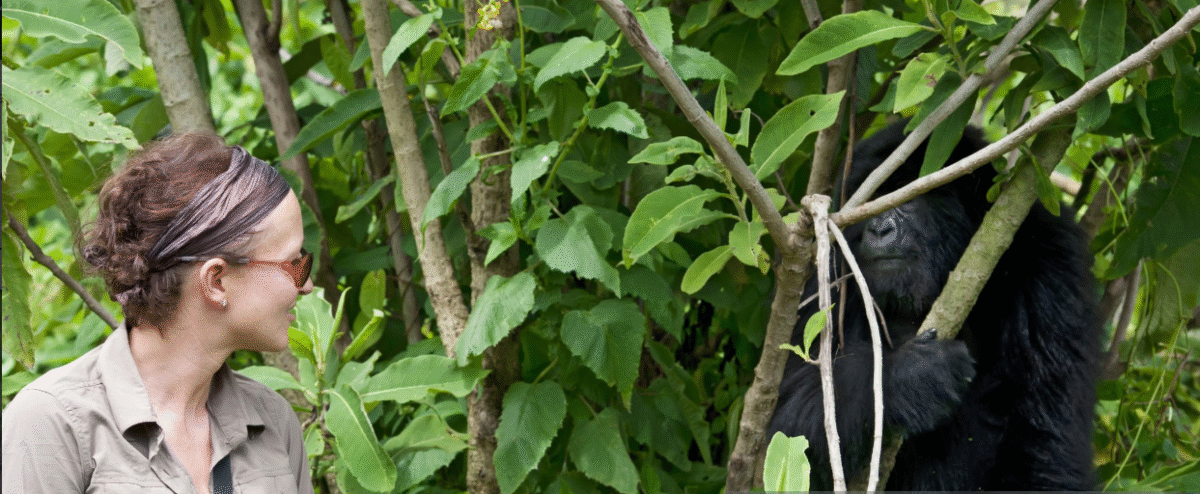
Gorilla trekking is a once-in-a-lifetime experience that allows adventurers to come face-to-face with majestic mountain gorillas in their natural habitat. This thrilling activity, primarily available in Uganda, Rwanda, and the Democratic Republic of Congo (DRC), attracts thousands of tourists each year. However, while the experience is undeniably rewarding, many travelers wonder: Are there gorilla trekking health risks?
The answer is yes—there are potential health risks associated with gorilla trekking, ranging from physical challenges to disease exposure. However, with proper preparation, vaccinations, and adherence to safety guidelines, these risks can be minimized. In this article, we will explore the potential health hazards, how to mitigate them, the best accommodations and transport options, the impact on local communities, and some breathtaking paradise destinations to visit during your gorilla trekking adventure.
Potential Health Risks of Gorilla Trekking
1. Physical Exertion and Altitude Sickness
Gorilla trekking involves hiking through dense forests, steep terrain, and high-altitude regions, which can be physically demanding. Many trekking locations, such as Bwindi Impenetrable National Park in Uganda and Volcanoes National Park in Rwanda, sit at elevations of 2,500 to 4,000 meters above sea level.
-
Risk: Altitude sickness, muscle fatigue, dehydration, and joint strain.
-
Prevention:
-
Train physically before the trek (cardio and leg exercises).
-
Stay hydrated and take frequent breaks.
-
Acclimatize for a day or two before the trek if possible.
-
2. Infectious Diseases
Since gorillas share about 98% of their DNA with humans, they are susceptible to many of the same diseases. Tourists can unknowingly transmit illnesses to gorillas, and vice versa.
-
Common Risks:
-
Respiratory Infections: Colds, flu, and even COVID-19 can spread between humans and gorillas.
-
Ebola Virus: Though rare, past outbreaks have affected gorilla populations.
-
Parasitic Infections: Diseases like malaria and yellow fever are present in tropical regions.
-
-
Prevention:
-
Maintain a 7-meter distance from gorillas (as per park rules).
-
Wear a mask if you have respiratory symptoms.
-
Get vaccinated (Yellow Fever, Hepatitis A & B, Typhoid).
-
Take anti-malaria prophylaxis before, during, and after your trip.
-
3. Wildlife and Insect-Related Risks
The forests where gorillas live are also home to other wildlife, insects, and parasites.
-
Possible Threats:
-
Insect Bites: Mosquitoes (malaria, dengue), tsetse flies (sleeping sickness), and ticks.
-
Snakes & Other Wildlife: Though rare, venomous snakes and forest elephants can pose dangers.
-
-
Prevention:
-
Use DEET-based insect repellent and wear long-sleeved clothing.
-
Sleep under mosquito nets.
-
Follow your guide’s instructions to avoid dangerous wildlife.
-
4. Food and Waterborne Illnesses
Travelers in remote areas may encounter contaminated food or water.
-
Risks: Diarrhea, cholera, typhoid, and hepatitis A.
-
Prevention:
-
Drink only bottled or purified water.
-
Avoid raw or undercooked food.
-
Wash hands frequently or use hand sanitizer.
-
Best Accommodations for Gorilla Trekking
Staying in comfortable, hygienic lodges is crucial for minimizing health risks. Here are some top-rated accommodations near gorilla trekking destinations:
Uganda (Bwindi & Mgahinga National Parks)
-
Buhoma Lodge – Eco-friendly luxury with stunning forest views.
-
Clouds Mountain Gorilla Lodge – High-end, excellent service, close to trekking points.
-
Sanctuary Gorilla Forest Camp – Tented luxury with expert guides.
Rwanda (Volcanoes National Park)
-
Bisate Lodge – Ultra-luxury villas with volcano views.
-
Sabyinyo Silverback Lodge – High comfort, community-owned.
-
Virunga Lodge – Panoramic views of lakes and volcanoes.
DRC (Virunga National Park)
-
Mikeno Lodge – Luxury in the heart of Virunga.
-
Bukima Tented Camp – Close to gorilla families, basic but safe.
Transportation: Getting to Gorilla Trekking Destinations Safely
Road conditions in gorilla trekking regions can be rough, and air travel is sometimes necessary.
Uganda
-
By Road: From Kampala to Bwindi (~10 hours), 4×4 vehicles recommended.
-
By Air: Charter flights from Entebbe to Kisoro or Kihihi airstrips.
Rwanda
-
By Road: Kigali to Volcanoes NP (~2.5 hours), well-maintained roads.
-
Helicopter Transfers: Available for a quicker, scenic route.
DRC
-
By Road/Raft: From Goma to Virunga, sometimes requiring boat crossings.
-
Security Note: Check travel advisories due to political instability.
People Nearby: The Impact on Local Communities
Gorilla tourism significantly benefits local economies, providing jobs for guides, porters, and lodge staff. However, there are concerns:
-
Positive Impacts:
-
Employment opportunities.
-
Funding for conservation and community projects.
-
-
Negative Risks:
-
Over-tourism can strain resources.
-
Human-wildlife conflict if gorillas leave parks.
-
Responsible tourism tips:
-
Hire local guides & porters to support the community.
-
Follow strict park rules to protect gorillas.
-
Avoid giving money directly to children (donate to schools instead).
Paradise Places to Visit During Your Gorilla Trekking Trip
While gorilla trekking is the highlight, these destinations offer additional breathtaking experiences:
Uganda
-
Queen Elizabeth National Park – Tree-climbing lions & boat safaris on the Kazinga Channel.
-
Murchison Falls – The Nile crashing through a narrow gorge.
-
Lake Bunyonyi – A serene, bilharzia-free lake with island resorts.
Rwanda
-
Lake Kivu – Relax on sandy beaches with stunning sunsets.
-
Nyungwe Forest – Canopy walks & chimpanzee tracking.
-
Akagera National Park – Classic savanna safaris with lions & rhinos.
DRC
-
Nyiragongo Volcano – Hike to the world’s largest lava lake.
-
Idjwi Island – A peaceful retreat on Lake Kivu.
Is Gorilla Trekking Safe?
While gorilla trekking does carry some health risks—physical strain, disease exposure, and wildlife encounters—these can be managed with proper precautions. By getting the right vaccinations, staying in hygienic lodges, following park rules, and preparing physically, you can enjoy this incredible adventure safely.
Moreover, gorilla tourism plays a vital role in conservation and community development. By choosing responsible tour operators and respecting wildlife guidelines, you contribute to protecting these endangered animals while experiencing one of the most profound wildlife encounters on Earth.