
How Do Gorillas React to Humans? Understanding Their Behavior and Interactions
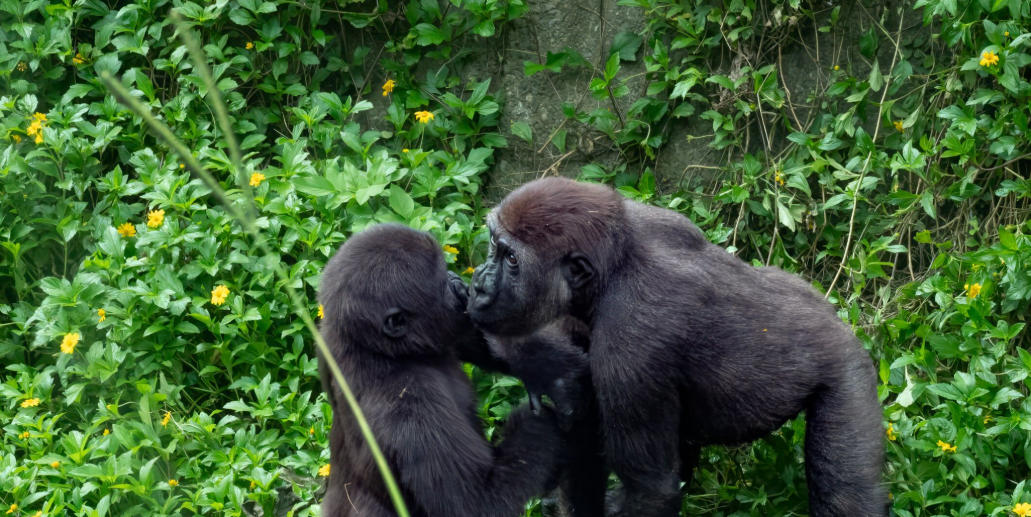
Gorilla-Human Interaction Behavior, Gorillas are the largest of the great apes, are fascinating creatures that share about 98% of their DNA with humans. Their behavior, social structures, and interactions with humans have been subjects of extensive research and observation. Understanding how gorillas react to humans is crucial for conservation efforts, wildlife tourism, and ensuring the safety of both species.
This article explores the various ways gorillas respond to human presence, including their behavior in the wild, in captivity, and during habituation efforts. We will also examine factors that influence their reactions, such as human behavior, environmental conditions, and past experiences.
1. Gorilla-Human Interaction Behavior in the Wild
A. Natural Reactions to Human Presence
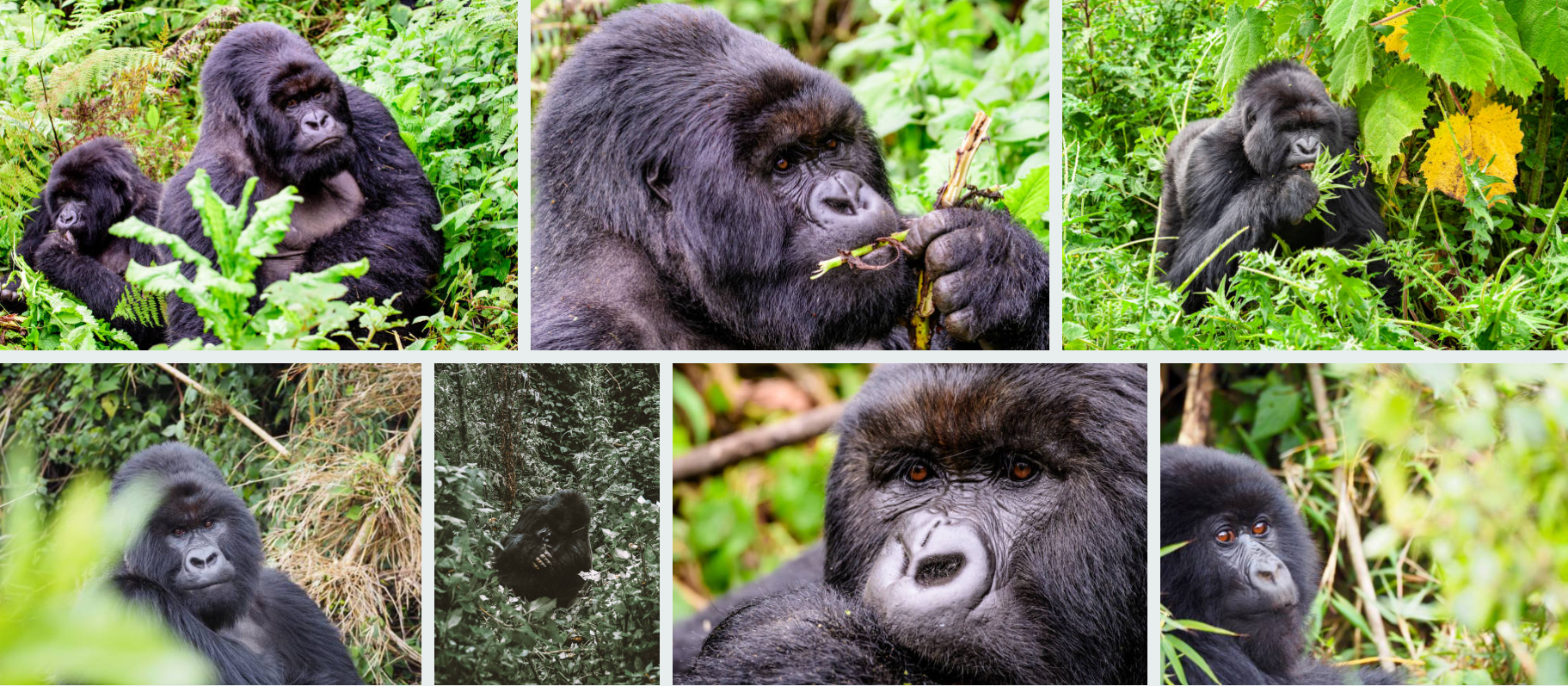
In their natural habitats—dense forests of Central and East Africa—gorillas are generally shy and avoid human contact. They are not naturally aggressive but may react defensively if they feel threatened. Their responses depend on several factors, including:
-
Proximity: If humans get too close, gorillas may display warning signs such as chest-beating, grunting, or mock charges.
-
Group Dynamics: Silverbacks (dominant males) are protective of their families and may act aggressively if they perceive a threat.
-
Previous Encounters: Gorillas habituated to humans (used to their presence) are more tolerant than those in remote areas.
B. Habituation and Gorilla Tourism
Habituation is the process of gradually acclimating wild gorillas to human presence, primarily for research and eco-tourism. This process can take years and requires patience.
-
Initial Fear and Avoidance: At first, gorillas flee or hide when they see humans.
-
Gradual Acceptance: Over time, they become indifferent or curious, allowing researchers and tourists to observe them.
-
Tourist Interactions: In places like Rwanda’s Volcanoes National Park and Uganda’s Bwindi Impenetrable Forest, gorillas tolerate tourists but strict rules (like maintaining a 7-meter distance) minimize stress.
2. Gorilla-Human Interaction Behavior in Captivity
A. Zoo Environments
Gorillas in zoos exhibit different behaviors compared to their wild counterparts due to controlled environments and frequent human interaction.
-
Curiosity: Some gorillas watch visitors, especially if they are used to crowds.
-
Stress Indicators: Repetitive behaviors (pacing, rocking) may indicate discomfort from excessive human attention.
-
Bonding with Keepers: Many captive gorillas recognize and trust their caretakers, sometimes forming strong bonds.
B. Aggression in Captivity
Though rare, captive gorillas can display aggression due to:
-
Provocation: Visitors banging on glass or making loud noises may trigger defensive behavior.
-
Territorial Instincts: Male gorillas may challenge humans they perceive as intruders.
-
Past Trauma: Gorillas rescued from illegal trade or abuse may fear humans.
3. Factors Influencing Gorilla-Human Interaction Behavior
A. Human Behavior
Gorillas are highly perceptive and react based on how humans behave around them.
-
Calm and Quiet Movements: Humans who move slowly and speak softly are less likely to provoke fear.
-
Sudden Movements or Loud Noises: These can startle gorillas, leading to defensive postures.
-
Direct Eye Contact: In gorilla communication, prolonged staring is seen as a challenge.
B. Environmental Stressors
Habitat destruction and human encroachment increase negative interactions.
-
Deforestation: Forces gorillas into closer contact with humans, sometimes leading to conflict.
-
Poaching: Gorillas that have been hunted or trapped may associate humans with danger.
C. Individual Personality Differences
Just like humans, gorillas have distinct personalities.
-
Bold Gorillas: Some may approach humans out of curiosity.
-
Shy Gorillas: Others may retreat or hide.
-
Protective Silverbacks: Dominant males are more likely to react aggressively if they sense a threat.
4. Famous Cases of Gorilla-Human Interactions
A. Koko the Gorilla
Koko, a western lowland gorilla, was famous for learning sign language and forming deep bonds with humans. Her ability to communicate provided insights into gorilla emotions and intelligence.
B. Binti Jua (Brookfield Zoo Incident)
In 1996, a young boy fell into a gorilla enclosure. Instead of attacking, Binti Jua, a female gorilla, gently carried him to safety—a remarkable display of empathy.
C. Harambe (Cincinnati Zoo Tragedy)
In 2016, a child entered a gorilla enclosure, leading to the controversial shooting of Harambe, a silverback. This incident sparked debates on zoo safety and gorilla behavior.
5. How Humans Should Interact with Gorillas
To ensure peaceful coexistence, humans must follow guidelines when near gorillas:
-
Maintain Distance: Staying at least 7 meters away reduces stress for gorillas.
-
Avoid Direct Eye Contact: This prevents misunderstandings.
-
Stay Calm and Quiet: Sudden movements or loud noises can provoke fear.
-
Follow Ecotourism Rules: Regulations protect both gorillas and tourists.
6. Conclusion
Gorillas’ reactions to humans vary based on context, past experiences, and individual temperament. While wild gorillas are naturally cautious, habituated ones can tolerate human presence under controlled conditions. Captive gorillas may form bonds with caretakers but can also exhibit stress if mistreated.
Understanding and respecting gorilla behavior is essential for their conservation and for fostering positive human-gorilla interactions. By following ethical guidelines, humans can observe these magnificent creatures without causing harm, ensuring their survival for future generations.
Final Thoughts
Gorillas are intelligent, emotional beings that deserve respect and protection. Whether in the wild or captivity, their reactions to humans remind us of the delicate balance between our species and the natural world. Through responsible tourism, conservation efforts, and scientific research, we can continue to learn from and coexist with these incredible animals.