
Can I Touch Gorillas During Trekking? A Comprehensive Guide
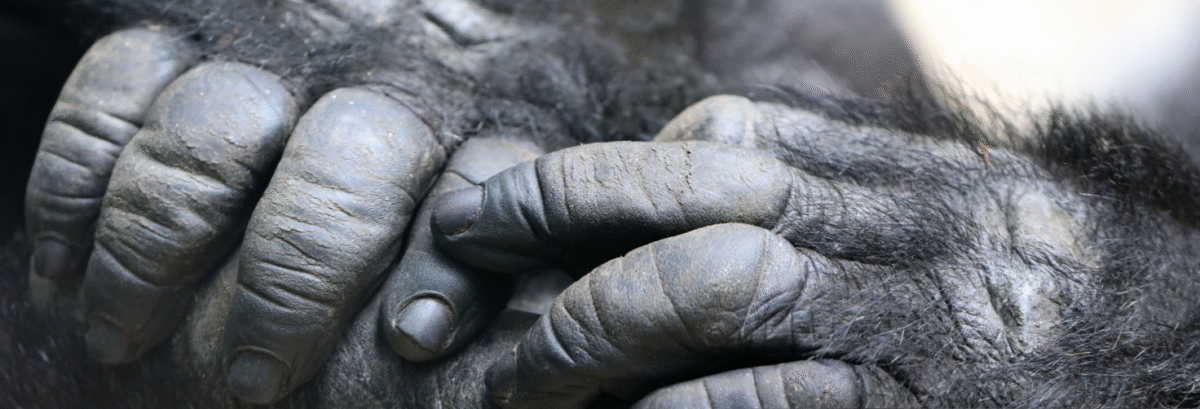
Don’t Touch Gorillas, Gorilla trekking is one of the most thrilling wildlife experiences in the world, offering a rare opportunity to observe mountain gorillas in their natural habitat. Many travelers dream of encountering these majestic creatures up close, leading to a common question: Can I touch gorillas during trekking?
The short answer is no—touching gorillas is strictly prohibited for several important reasons. In this article, we will explore:
-
Why Touching Gorillas is Not Allowed
-
The Risks of Human-Gorilla Contact
-
Rules and Regulations of Gorilla Trekking
-
How Close Can You Get to Gorillas?
-
Responsible Gorilla Tourism Practices
-
Alternatives to Touching Gorillas for a Memorable Experience
By the end, you’ll understand why maintaining a safe distance is crucial for both gorillas and humans.
1. Why Don’t Touch Gorillas recommended
Gorilla trekking takes place in the wild, where gorillas live in their natural social groups. While they may appear calm and habituated to human presence, they are still wild animals with unpredictable behavior.
A. Protection of Gorillas
Mountain gorillas are an endangered species, with only about 1,000 individuals remaining in the wild. Human contact poses several risks:
-
Disease Transmission: Gorillas share about 98% of their DNA with humans, making them highly susceptible to human diseases such as the flu, COVID-19, and even the common cold. A simple touch could introduce pathogens that their immune systems cannot handle.
-
Stress and Behavioral Changes: Physical contact can cause stress, leading gorillas to become aggressive or abandon their natural behaviors.
B. Human Safety
Despite their gentle reputation, gorillas are incredibly strong—an adult silverback can weigh up to 400 pounds (180 kg) and has the strength to crush bones. If a gorilla feels threatened, it may charge or attack in self-defense.
C. Legal and Conservation Policies
National parks in Uganda, Rwanda, and the Democratic Republic of Congo (DRC) enforce strict rules to protect gorillas. Touching them violates wildlife protection laws and can result in fines or expulsion from the park.
2. The Risks of Human-Gorilla Contact
A. Disease Transmission (Zoonotic Risks)
As mentioned, gorillas can easily catch human illnesses. Respiratory infections, in particular, have been known to devastate gorilla populations. In 2009, a human respiratory virus killed several gorillas in Rwanda, highlighting the dangers of close contact.
B. Disruption of Natural Behavior
Gorillas that become too accustomed to humans may:
-
Lose their fear of people, increasing the risk of poaching.
-
Approach human settlements in search of food, leading to conflicts.
-
Exhibit unnatural behaviors that affect their social structure.
C. Potential for Aggression
While habituated gorillas tolerate human presence, they still have boundaries. A sudden touch could be interpreted as a threat, especially by a dominant silverback protecting his family.
3. Rules and Regulations of Gorilla Trekking
To minimize risks, all gorilla trekking destinations follow strict guidelines set by the International Gorilla Conservation Programme (IGCP) and local wildlife authorities.
Key Rules During Gorilla Trekking:
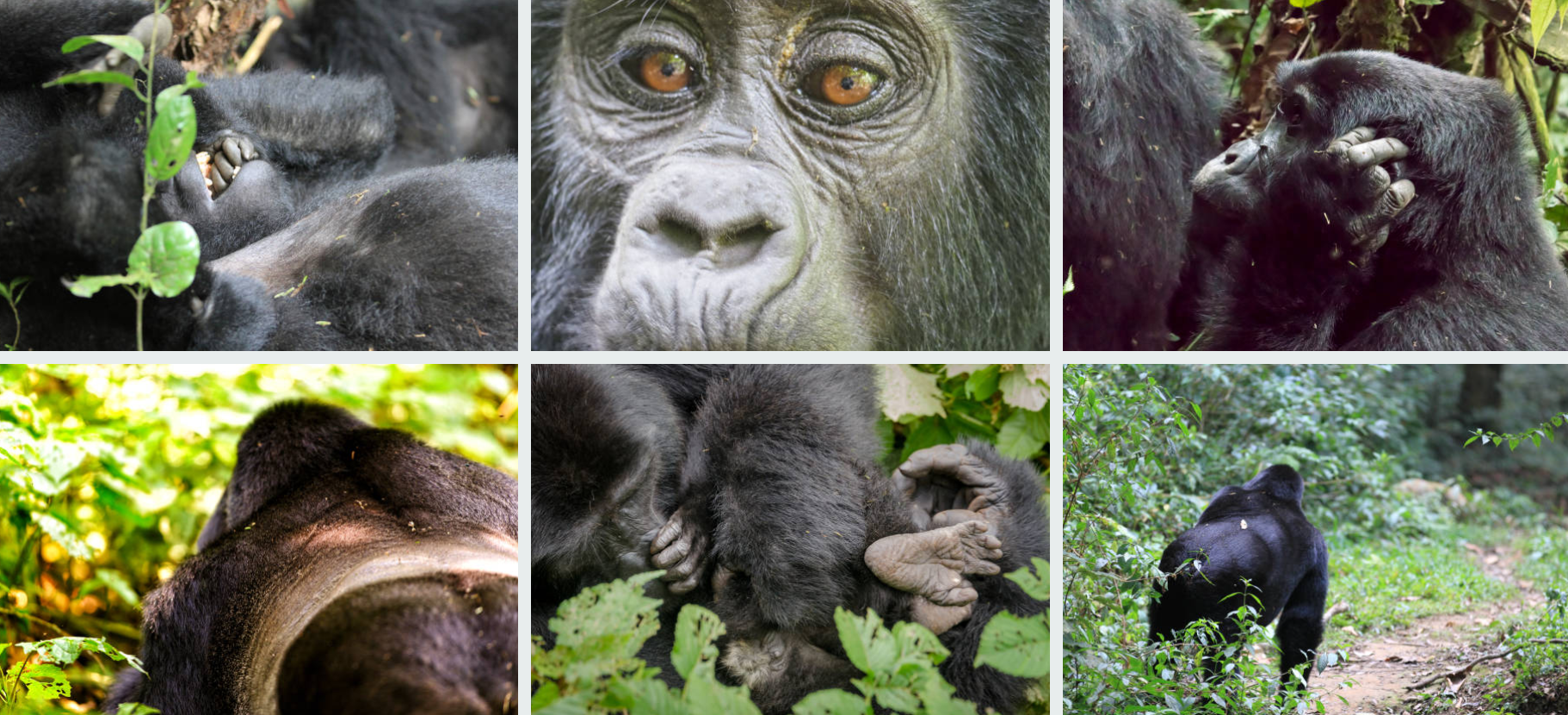
? Maintain a 7-meter (23-foot) distance from gorillas at all times.
? Do not eat, drink, or smoke near gorillas (to avoid disease spread).
? Keep your voice low—no shouting or sudden movements.
? Follow the guide’s instructions at all times.
? Do not use flash photography—it can agitate gorillas.
? Never attempt to touch a gorilla.
? Do not mimic gorilla sounds or gestures.
Breaking these rules can lead to immediate expulsion from the trek and legal consequences.
4. How Close Can You Get to Gorillas?
While you cannot touch gorillas, you can still get remarkably close—sometimes within 3-5 meters (10-15 feet). Habituated gorillas may even approach out of curiosity, but you must slowly back away to maintain distance.
What If a Gorilla Touches You?
In rare cases, a young gorilla might playfully approach or brush past you. If this happens:
-
Stay calm and still.
-
Do not reach out or attempt to touch back.
-
Allow the gorilla to move away on its own.
Your guide will intervene if necessary, but such encounters are rare and should not be encouraged.
5. Responsible Gorilla Tourism Practices
Sustainable tourism ensures gorillas remain protected while allowing visitors to enjoy this incredible experience.
A. Choose Ethical Tour Operators
Book with licensed tour companies that follow conservation guidelines. Avoid operators that promise “close encounters” or illegal interactions.
B. Support Conservation Efforts
Your trekking permit fees (ranging from 600?1,500) directly fund:
-
Anti-poaching patrols
-
Veterinary care for gorillas
-
Community development projects
C. Follow Health Precautions
-
Wear a mask if required (some parks still enforce this post-COVID).
-
Stay home if you’re sick—even a mild cold can harm gorillas.
6. Alternatives to Touching Gorillas for a Memorable Experience
While you can’t touch gorillas, there are other ways to make your trek unforgettable:
A. Observe Their Behavior
Watching gorillas interact—feeding, grooming, playing—is a deeply moving experience. Silverbacks display dominance, mothers care for infants, and juveniles playfully wrestle.
B. Take Photos (Responsibly)
Capture stunning shots without flash and from a safe distance.
C. Learn from Guides
Experienced trackers share fascinating insights about gorilla families, their history, and conservation efforts.
D. Visit Gorilla Orphanages (Sanctuaries)
If you want closer (but still safe) interactions, consider visiting:
-
Senkwekwe Center (DRC) – Home to orphaned mountain gorillas.
-
Ngamba Island Chimpanzee Sanctuary (Uganda) – For rescued chimps.
These facilities allow ethical observation without disrupting wild populations.
Why Don’t Touch Gorillas in Distance Matters
While the desire to touch a gorilla is understandable, the risks far outweigh the momentary thrill. By following guidelines, you help ensure gorillas survive for future generations.
Final Takeaways:
? Touching gorillas is prohibited for their safety and yours.
? Stay 7+ meters away to prevent disease transmission.
? Follow park rules to avoid legal penalties.
? Support ethical tourism to protect these endangered animals.
Gorilla trekking is a privilege—one that requires respect and responsibility. By observing without touching, you contribute to the survival of one of Earth’s most magnificent species.
Would you like recommendations for the best gorilla trekking destinations? Let me know in the comments!