
Amboseli National Park

Amboseli National Park: A Majestic Safari Destination

Amboseli National Park, one of Kenya’s most renowned game reserves, is a prime destination for travelers seeking to experience Africa’s wildlife and landscapes in a unique setting. Located in the southern part of Kenya, near the Tanzanian border, Amboseli is famous for its stunning views of Mount Kilimanjaro, diverse wildlife, and rich cultural heritage. Whether you’re on a thrilling safari adventure, learning about the local Maasai culture, or simply relaxing in nature, Amboseli offers an unforgettable experience for every visitor.

Geography and Landscape of Amboseli National Park

Amboseli National Park is located at the foot of Mount Kilimanjaro, Africa’s highest peak. The park spans over 392 square kilometers (151 square miles) and features a wide range of landscapes. These include open plains, seasonal swamps, and semi-arid land that transforms dramatically after the rainy season. The vast, flat savannah and the stunning backdrop of Kilimanjaro create a picture-perfect landscape that is unique to Amboseli.

The park’s topography is dominated by its wetlands and swamps, particularly the Amboseli swamps, which are fed by the melting waters of Mount Kilimanjaro. These wetlands support a variety of plant and animal life, making them essential to the ecosystem. During the dry season, the landscape becomes arid and dusty, but the seasonal rains bring a burst of life with green grasses and blooming wildflowers. The contrast between the arid plains and the lush wetlands creates one of the most visually striking environments in East Africa.

Flora and Fauna of Amboseli National Park

Amboseli National Park is a biodiversity hotspot, home to a wide variety of animals and plant species. It is particularly famous for its large herds of elephants, which roam the park’s plains and wetlands. The park is also known for its rich birdlife, and its diverse ecosystem attracts a variety of predators, herbivores, and smaller wildlife.

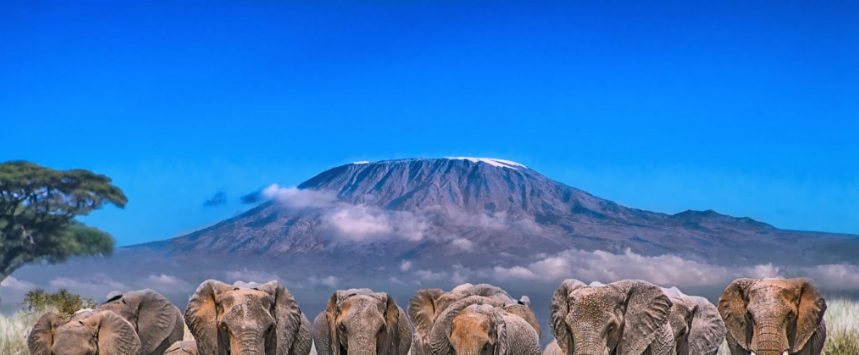
  1. Elephants: Amboseli is one of the best places in Africa to observe elephants in their natural habitat. The park has one of the highest densities of elephants in the world, with large herds often seen grazing in the open plains. These elephants are famous for their large tusks, and many of them are known by researchers and conservationists for their long lives and family structures. The sight of elephants with Mount Kilimanjaro in the background is one of the park’s most iconic images.

  2. Big Cats: Amboseli is home to predators like lions, cheetahs, and leopards. Lions are frequently spotted in the park, either resting in the tall grass or hunting in the early morning hours. Leopards, while more elusive, can sometimes be seen lounging on trees or stalking prey. Cheetahs, known for their speed, are also a common sight in the park’s open plains.

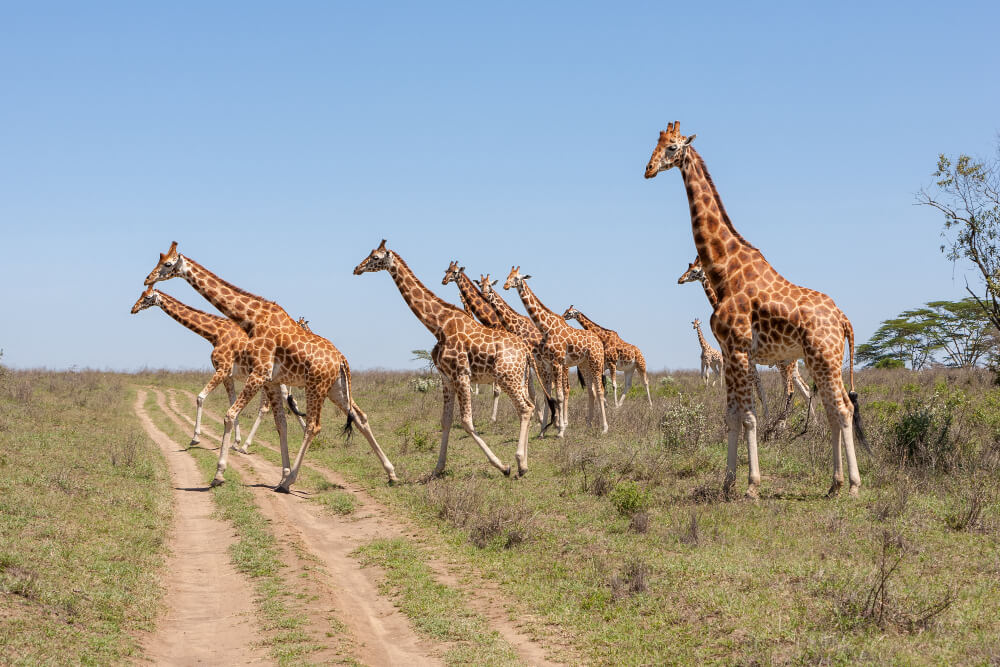
  3. Other Mammals: In addition to elephants and big cats, Amboseli is home to a range of other mammals. These include giraffes, zebras, wildebeests, buffaloes, hyenas, warthogs, and numerous species of antelope such as impalas, gazelles, and Grant’s gazelles. The diverse mix of herbivores and carnivores makes Amboseli a fascinating place to observe wildlife interactions.

  4. Birdlife: Amboseli’s wetlands and grasslands provide an excellent habitat for birdwatching. Over 400 species of birds have been recorded in the park. Notable species include the white-bellied bustard, the kori bustard, ostriches, flamingos (which can be found in the park’s swamps during the rainy season), and various species of storks, egrets, and herons. Birdwatching in Amboseli is particularly rewarding during the migration seasons.

  5. Reptiles and Amphibians: Amboseli is also home to several species of reptiles, including monitor lizards, geckos, and snakes like the puff adder. The park’s swamps and water bodies attract amphibians, such as frogs and toads, which thrive in the wetter conditions.

Activities carried out

Amboseli National Park offers a variety of activities for visitors, ranging from thrilling game drives to cultural experiences. Whether you are a nature lover, wildlife photographer, or cultural enthusiast, there is something for everyone in this remarkable park.

  1. Game Drives: Game drives are the most popular activity in Amboseli, allowing visitors to explore the park’s diverse wildlife in the company of experienced guides. Morning and evening game drives offer the best chances of spotting animals, as they are more active during these cooler parts of the day. The sight of elephants walking majestically against the backdrop of Mount Kilimanjaro is one of the most memorable moments of any safari.

  2. Photography Safaris: Amboseli is a photographer’s dream. The combination of vast plains, majestic animals, and the towering presence of Mount Kilimanjaro provides endless opportunities for stunning photographs. Many lodges and tour operators offer specialized photography safaris with expert photographers, helping visitors capture the perfect shot of the park’s wildlife and landscapes.

  3. Cultural Visits to Maasai Villages: Amboseli is located within the territory of the Maasai people, one of Kenya’s most famous indigenous groups. A visit to a Maasai village offers an opportunity to learn about their unique culture, traditions, and way of life. Visitors can watch traditional dances, learn about Maasai customs, and even purchase handmade Maasai crafts. These visits not only provide cultural insights but also contribute to the local economy, supporting community-based tourism initiatives.

  4. Nature Walks: For a more intimate experience with nature, guided nature walks are available in certain parts of the park. These walks, led by trained Maasai guides, allow visitors to explore the smaller aspects of the ecosystem, such as plant life, insects, and the tracks left by wildlife. Nature walks provide a different perspective from game drives, allowing you to connect with the environment on a deeper level.

  5. Bird Watching: Bird watching is another popular activity in Amboseli, with over 400 bird species to spot. The wetlands and swamps provide an ideal habitat for a variety of bird species, including migratory birds. Many visitors bring binoculars and bird guides to identify species, making this a rewarding activity for those interested in avian life.

  6. Hot Air Balloon Safaris: For a unique and breathtaking experience, hot air balloon safaris are available over Amboseli National Park. These safaris offer a bird’s-eye view of the park’s stunning landscapes, and the early morning flights provide an incredible view of the sun rising over Mount Kilimanjaro. Balloon safaris are followed by a celebratory breakfast in the wild, making for a memorable start to the day.

Accommodations Around Amboseli National Park

Amboseli National Park is well-served by a range of accommodations, from luxury lodges to more affordable campsites. The lodges and camps are scattered around the park’s boundaries and offer easy access to wildlife viewing areas.

  1. Luxury Lodges and Tented Camps: High-end accommodations such as Amboseli Serena Safari Lodge, Tortilis Camp, and Ol Tukai Lodge offer luxury stays with stunning views of Mount Kilimanjaro. These properties often feature well-appointed rooms or tents, infinity pools, gourmet dining, and exceptional service. Many of these lodges offer guided safari drives, cultural experiences, and exclusive access to the park’s wildlife.

  2. Mid-Range Lodges: For those looking for a more affordable but comfortable option, lodges like AA Lodge Amboseli and Kibo Safari Camp provide excellent value. These lodges offer comfortable rooms, good service, and easy access to the park. They typically feature outdoor dining areas, nature walks, and game drives.

  3. Budget Accommodations: For budget-conscious travelers, there are campsites and affordable lodges such as Amboseli Camping Site and Kimana Camp. These options provide basic amenities and offer an authentic safari experience at a lower price point.

Transport Routes to Amboseli National Park

Amboseli National Park is easily accessible from Nairobi, the capital city of Kenya, and other major towns in the region. There are two primary ways to reach the park:

  1. By Road: The drive from Nairobi to Amboseli takes approximately 4-5 hours, covering a distance of around 240 kilometers. The road is well-maintained, though parts of it may be rough, especially closer to the park. Many visitors opt to travel by private car, but there are also shared minivans and buses that operate along this route.

  2. By Air: For those who prefer a quicker route, there are several daily flights from Nairobi’s Wilson Airport to Amboseli Airstrip. The flight takes about 30-45 minutes, offering stunning views of the park from the air. Several lodges and tour operators provide transfers from the airstrip to their facilities.

Culture of the Maasai People

The Maasai people have lived in the Amboseli region for centuries, and their presence is deeply intertwined with the history of the park. The Maasai are semi-nomadic pastoralists who have traditionally relied on cattle for food and trade. Their distinctive culture, clothing, and customs have made them one of Africa’s most recognized indigenous groups.

In Amboseli, the Maasai are active participants in conservation efforts. Many Maasai guides, rangers, and staff work in the park, ensuring that the local community benefits from tourism. Visitors to Amboseli can gain insight into the Maasai way of life through cultural tours, which often include visits to Maasai villages, where they can experience traditional dances, songs, and customs.

Amboseli National Park is a spectacular destination that offers something for everyone—whether it’s game viewing, cultural experiences, or simply relaxing in nature. Its stunning landscapes, rich wildlife, and connection to the Maasai culture make it one of the top safari destinations in Kenya. Whether you’re photographing elephants in the shadow of Mount Kilimanjaro or learning about the Maasai way of life, Amboseli is a place where unforgettable memories are made. With excellent accommodations, a variety of activities, and easy access from Nairobi, Amboseli is a must-visit for any traveler seeking to explore the heart of Kenya’s wild beauty and cultural heritage.
Leave a Reply

Your email address will not be published. Required fields are marked *

Amboseli National Park

Amboseli National Park, located in southern Kenya, is one of the country’s most famous and picturesque wildlife reserves. Known for its large herds of elephants and breathtaking views of Mount Kilimanjaro, Amboseli offers an extraordinary safari experience that combines incredible wildlife viewing with stunning landscapes. Spanning 392 square kilometers, this park is one of the best places in Africa to observe elephants up close, all while enjoying the dramatic backdrop of Africa’s highest peak.

Introduction to Amboseli National Park

Amboseli National Park is situated near the border with Tanzania, with Mount Kilimanjaro looming large in the background, just across the border. Established as a national park in 1974, it is part of the larger Amboseli ecosystem, which includes surrounding Maasai communal lands. Amboseli is known for its open plains, acacia woodlands, and marshlands fed by underground rivers from Kilimanjaro’s melting snow, which create a green oasis in an otherwise arid landscape.

The Land of Giants

The park is often referred to as the “Land of Giants” due to its reputation as one of the best places in Africa to see large elephant herds. Amboseli’s elephants are well-known for their size, with many boasting impressive tusks. This makes the park a prime destination for elephant lovers and wildlife photographers.

The Elephants of Amboseli: A Majestic Experience

One of the defining features of Amboseli National Park is its large and well-protected population of African elephants. Amboseli is home to over 1,500 elephants, and they are a constant presence across the park, often seen crossing the plains in large family groups.

Elephant Behavior and Conservation

Visitors to Amboseli have the rare opportunity to observe elephants engaging in a range of behaviors, from social interactions to mud-bathing, foraging, and caring for their young. The elephants in Amboseli are remarkably tolerant of vehicles, allowing for intimate encounters and incredible photographic opportunities.

Amboseli is also a key site for elephant research and conservation. The Amboseli Elephant Research Project, one of the longest-running elephant studies in the world, has provided valuable insights into elephant family structures, behavior, and the challenges they face, including human-wildlife conflict and poaching.

Mount Kilimanjaro: A Stunning Backdrop

No visit to Amboseli National Park is complete without taking in the majestic sight of Mount Kilimanjaro, which towers over the landscape. Kilimanjaro, at 5,895 meters, is the highest mountain in Africa, and while it is located in Tanzania, Amboseli offers some of the best views of its snow-capped peak.

Best Times to View Kilimanjaro

The early mornings and late afternoons are the best times to see Mount Kilimanjaro clearly, as the mountain is often obscured by clouds during the day. The sight of elephants walking across the open plains with Kilimanjaro in the background is one of Africa’s most iconic and sought-after photographic opportunities.

Wildlife Beyond Elephants: Amboseli’s Diverse Fauna

While elephants are the main attraction, Amboseli National Park is home to a rich variety of other wildlife species. The park’s varied habitats support a wide range of animals, making it an excellent destination for general wildlife viewing and photography.

Big Cats and Herbivores

Amboseli is home to several predators, including lions, cheetahs, leopards, and hyenas. The open grasslands provide excellent opportunities to spot these big cats, particularly cheetahs, which rely on the open plains to pursue their prey at high speeds.

In addition to predators, visitors can see large herbivores such as giraffes, zebras, buffaloes, wildebeest, and antelopes, all of which roam the park’s savannahs and swamps. The marshy areas of Amboseli, fed by underground water from Mount Kilimanjaro, attract many of these herbivores, making them a prime location for game drives.

Birdwatching in Amboseli: A Birder’s Dream

Amboseli National Park is a paradise for birdwatchers, with over 420 species of birds recorded within its boundaries. The diverse habitats of the park, including wetlands, woodlands, and savannahs, provide a haven for both resident and migratory bird species.

Notable Bird Species

Some of the notable bird species in Amboseli include:

  • Greater flamingos: Often seen in the shallow waters of the park’s wetlands, adding a splash of pink to the landscape.
  • African fish eagle: A majestic bird of prey often spotted near the marshes, swooping down to catch fish.
  • Pelicans and herons: These water birds are frequently seen in the swampy areas, wading through the waters in search of food.
  • Crested cranes: The national bird of Uganda, easily recognizable by its striking plumage and crown of golden feathers.

For bird enthusiasts, Amboseli’s wetlands and seasonal lakes offer excellent opportunities for birdwatching, especially during the rainy season when migratory birds flock to the area.

The Maasai People: Guardians of Amboseli

The Maasai people have lived in harmony with Amboseli’s wildlife for centuries, and they continue to play a vital role in the conservation of the park. The Maasai are known for their distinctive red clothing, beadwork, and semi-nomadic lifestyle centered around cattle herding.

Visiting a Maasai Village

Visitors to Amboseli National Park can take the opportunity to visit a Maasai village, where they can learn about the Maasai’s unique culture, traditions, and close connection to the land. A cultural visit typically includes a tour of the village, traditional Maasai dance performances, and the chance to purchase handcrafted Maasai jewelry and other items.

The Maasai’s involvement in tourism and conservation initiatives has helped create a symbiotic relationship between the park’s wildlife and the local communities, ensuring that Amboseli remains a thriving natural habitat.

Conservation Challenges and Successes in Amboseli National Park

Like many protected areas in Africa, Amboseli faces a number of conservation challenges, including human-wildlife conflict, habitat loss, and climate change. However, the park has also seen significant conservation successes, particularly in protecting its elephant population.

Human-Wildlife Conflict

The Maasai communities that live near Amboseli rely on livestock for their livelihoods, which sometimes brings them into conflict with predators like lions and hyenas. Efforts are being made to reduce these conflicts through compensation programs for livestock losses and by promoting coexistence between people and wildlife.

Elephant Conservation Efforts

Amboseli’s elephant population is one of the most studied and protected in Africa. The park’s elephants are free to migrate between Amboseli and the surrounding Maasai lands, and conservation efforts have focused on securing migration corridors and reducing poaching. As a result, Amboseli’s elephants have fared better than many other populations across Africa.

Best Time to Visit Amboseli National Park

Amboseli National Park is a year-round destination, but the best time to visit largely depends on the activities you want to enjoy and the type of wildlife viewing experience you are seeking.

Dry Season vs. Wet Season

  • June to October: The dry season is the best time for wildlife viewing, as animals are concentrated around the park’s swamps and water sources, making them easier to spot.
  • November to May: The wet season brings lush vegetation, which is perfect for birdwatching and photography, though wildlife may be more dispersed. The months of March to May, however, can bring heavy rains, which may make some roads difficult to navigate.

For the best views of Mount Kilimanjaro and clear, crisp skies, the dry season is recommended. However, the wet season offers its own beauty, with the park’s landscape transformed into a green oasis.

How to Get to Amboseli National Park

Amboseli National Park is easily accessible from Nairobi, Kenya’s capital, and there are options for both road and air travel.

By Road

The park is located about 240 kilometers (150 miles) southeast of Nairobi, and the drive takes about 4-5 hours. The road trip to Amboseli offers scenic views of the countryside and the opportunity to pass through local towns and markets along the way.

By Air

For those looking for a quicker and more convenient option, domestic flights are available from Wilson Airport in Nairobi to Amboseli Airport, which is located near the park’s main entrance. The flight takes about 45 minutes, making it a great option for those on a tighter schedule.

Accommodation Options in Amboseli National Park

Amboseli National Park offers a wide range of accommodation options, from luxury lodges to budget-friendly campsites, ensuring that visitors have a comfortable stay while exploring the park’s stunning landscapes.

Popular Lodges and Camps

  • Tortilis Camp: This luxury tented camp offers stunning views of Mount Kilimanjaro and provides a high-end safari experience with guided game drives and nature walks.
  • Amboseli Serena Safari Lodge: Located in the heart of the park, this lodge is known for its beautiful architecture and close proximity to wildlife, making it a great choice for families and couples alike.
  • Kibo Safari Camp: A mid-range tented camp that offers comfortable accommodations with views of Kilimanjaro, providing excellent value for money.

Amboseli’s Role in African Conservation

Amboseli National Park has become a symbol of successful wildlife conservation in Kenya, particularly for its role in elephant protection. It has served as a model for other parks in East Africa by demonstrating the importance of community involvement in conservation.

The Future of Amboseli

With continued efforts to address human-wildlife conflict and maintain the ecological integrity of the park, Amboseli’s future looks bright. Ongoing research and conservation projects ensure that Amboseli will remain a haven for elephants and other wildlife for generations to come.

Amboseli National Park is a must-visit destination for anyone looking to experience the best of Kenya’s wildlife and natural beauty. Whether you’re watching a herd of elephants against the backdrop of Mount Kilimanjaro, photographing lions and cheetahs on the hunt, or learning about Maasai culture, a visit to Amboseli offers an unforgettable African safari experience.

The park’s combination of iconic wildlife, stunning scenery, and rich cultural heritage makes it a top destination for travelers from around the world. Amboseli National Park promises an adventure filled with awe-inspiring moments and lasting memories.


FAQs

What is the best time to see elephants in Amboseli National Park?

Can you see Mount Kilimanjaro clearly from Amboseli?

How long does a typical safari in Amboseli last?

What wildlife can I expect to see in Amboseli National Park?

Are there guided walking safaris in Amboseli?

What are the accommodation options in Amboseli National Park?

Leave a Reply

Your email address will not be published. Required fields are marked *


Warning: Undefined variable $has_footer_menu in /home/gorillatourseast/domains/gorillatourseastafrica.com/public_html/wp-content/themes/twenty-twenty-child/template-parts/footer-menus-widgets.php on line 13

Warning: Undefined variable $has_social_menu in /home/gorillatourseast/domains/gorillatourseastafrica.com/public_html/wp-content/themes/twenty-twenty-child/template-parts/footer-menus-widgets.php on line 13

Warning: Undefined variable $has_sidebar_1 in /home/gorillatourseast/domains/gorillatourseastafrica.com/public_html/wp-content/themes/twenty-twenty-child/template-parts/footer-menus-widgets.php on line 13

Warning: Undefined variable $has_sidebar_2 in /home/gorillatourseast/domains/gorillatourseastafrica.com/public_html/wp-content/themes/twenty-twenty-child/template-parts/footer-menus-widgets.php on line 13

Talk to us about your Safari