Virunga National Park: A Jewel of Biodiversity and Culture
Virunga National Park, located in the eastern part of the Democratic Republic of Congo (DRC), is one of Africa’s most remarkable and diverse protected areas. Established in 1925 as Africa’s first national park, it spans approximately 7,800 square kilometers and is a UNESCO World Heritage Site. The park is renowned for its extraordinary biodiversity, dramatic landscapes, and rich cultural heritage. It is home to a wide variety of wildlife, including the endangered mountain gorillas, as well as active volcanoes, lush forests, and vast savannas. Despite facing numerous challenges, including political instability and poaching, Virunga National Park remains a beacon of conservation and a testament to the resilience of nature and humanity.
Activities in Virunga National Park
Virunga National Park offers a wide range of activities for visitors, making it a premier destination for eco-tourism and adventure travel. Some of the most popular activities include:
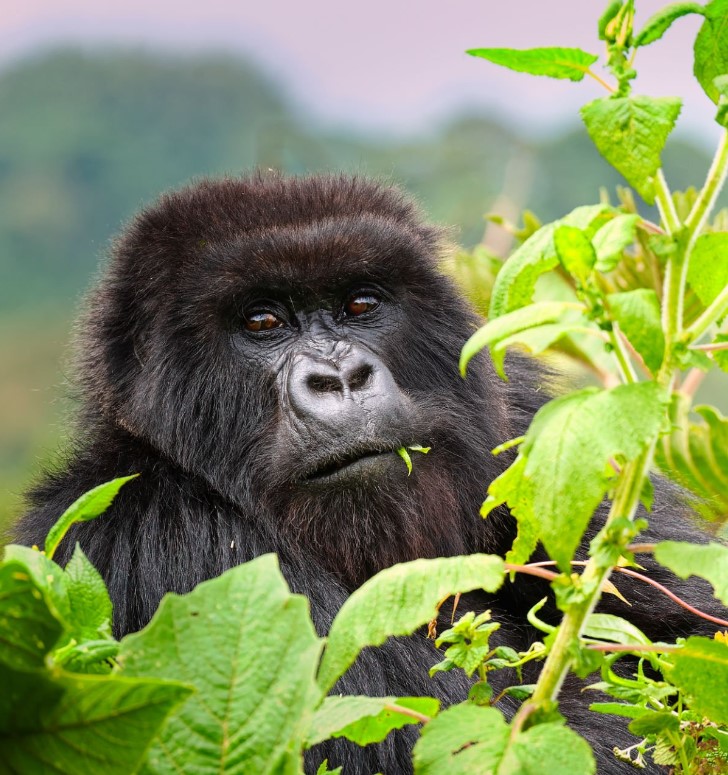
- Gorilla Trekking: One of the park’s most iconic experiences is trekking to see the critically endangered mountain gorillas. The park is home to about a third of the world’s remaining mountain gorilla population. Guided treks take visitors through dense forests to observe these majestic creatures in their natural habitat. The experience is both humbling and awe-inspiring, offering a rare glimpse into the lives of one of our closest relatives in the animal kingdom.
- Volcano Hiking: Virunga is home to two of the world’s most active volcanoes, Mount Nyiragongo and Mount Nyamuragira. Hiking to the summit of Mount Nyiragongo is a challenging but rewarding experience. The volcano’s crater contains the world’s largest lava lake, which glows eerily at night. The hike typically takes about 6 hours, and visitors can spend the night at the summit in basic shelters, witnessing the mesmerizing sight of molten lava.
- Chimpanzee Habituation: In addition to gorillas, the park is also home to chimpanzees. Visitors can participate in chimpanzee habituation experiences, where they spend time with researchers and trackers observing these intelligent primates as they go about their daily lives. This activity provides valuable insights into chimpanzee behavior and social structures.
- Boat Safaris: The park’s Lake Edward and the surrounding wetlands offer excellent opportunities for boat safaris. Visitors can explore the lake’s shores, which are teeming with wildlife, including hippos, crocodiles, and a variety of bird species. The boat safaris provide a unique perspective on the park’s diverse ecosystems and offer excellent photo opportunities.
- Game Drives: The savanna areas of the park, particularly around the Ishasha sector, are ideal for game drives. Visitors can spot a variety of wildlife, including elephants, buffaloes, lions, and antelopes. The park’s rangers are knowledgeable guides who can provide insights into the behavior and ecology of the animals.
- Cultural Visits: Virunga National Park is not only a haven for wildlife but also a place of rich cultural heritage. Visitors can interact with local communities, learn about their traditions, and participate in cultural activities. The park’s surrounding areas are inhabited by various ethnic groups, including the Batwa pygmies, who have a deep connection to the forest and its resources.
Animals Found in Virunga National Park
Virunga National Park is a biodiversity hotspot, home to an incredible array of wildlife. The park’s varied habitats, ranging from dense forests to open savannas, support a wide range of species. Some of the notable animals found in the park include:
- Mountain Gorillas: The park is one of the last strongholds for the critically endangered mountain gorilla. These gentle giants are a major draw for visitors and are the focus of extensive conservation efforts.
- Chimpanzees: The park’s forests are also home to chimpanzees, our closest living relatives. The chimpanzees in Virunga are part of ongoing research and conservation programs.
- Elephants: Both forest and savanna elephants can be found in the park. These majestic animals play a crucial role in maintaining the park’s ecosystems.
- Lions: The Ishasha sector of the park is known for its tree-climbing lions, a rare behavior that has made this population famous.
- Hippos: Lake Edward and the surrounding waterways are home to large populations of hippos. These semi-aquatic mammals are a key species in the park’s aquatic ecosystems.
- Okapi: The elusive okapi, a relative of the giraffe, can be found in the park’s dense forests. This rare and shy animal is a symbol of the park’s unique biodiversity.
- Birds: Virunga is a birdwatcher’s paradise, with over 700 species recorded. The park’s varied habitats support a wide range of birdlife, from forest-dwelling species to waterbirds.
Accommodations Around Virunga National Park
Virunga National Park offers a range of accommodation options to suit different budgets and preferences. Some of the notable options include:
- Mikeno Lodge: This luxury lodge is located near the park headquarters in Rumangabo. It offers comfortable cottages with stunning views of the surrounding forest. The lodge is an excellent base for gorilla trekking and other activities.
- Bukima Tented Camp: Situated near the gorilla trekking starting point, this tented camp offers a more rustic experience. The camp is eco-friendly and provides a close-to-nature experience.
- Kibumba Tented Camp: Located near the base of Mount Nyiragongo, this camp offers basic but comfortable accommodation for those planning to hike the volcano. The camp provides stunning views of the surrounding landscape.
- Tchegera Island Tented Camp: For a unique experience, visitors can stay on Tchegera Island in Lake Kivu. The camp offers tented accommodation with beautiful views of the lake and the volcanoes.
- Ishasha Sector Camps: For those exploring the savanna areas of the park, there are several basic campsites and lodges in the Ishasha sector. These accommodations offer a more rugged experience, with opportunities for game drives and birdwatching.
Transport Routes to Virunga National Park
Reaching Virunga National Park can be an adventure in itself, given its remote location. However, there are several transport options available:
- By Air: The nearest major airport is Goma International Airport, which is served by several regional airlines. From Goma, visitors can arrange for ground transportation to the park. There are also smaller airstrips near the park that can be used for chartered flights.
- By Road: The park is accessible by road from Goma and other nearby towns. The roads can be challenging, especially during the rainy season, so it is advisable to use a 4×4 vehicle. The park’s headquarters in Rumangabo is about a 2-hour drive from Goma.
- By Boat: For those staying on Tchegera Island or exploring Lake Edward, boat transfers can be arranged. The lake is accessible from several points along the shore, and boat safaris are a popular way to explore the park’s aquatic ecosystems.
Vegetation and Landscape
Virunga National Park’s landscape is incredibly diverse, ranging from active volcanoes to dense forests and open savannas. The park’s vegetation varies depending on the altitude and terrain:
- Volcanic Peaks: The park is dominated by the Virunga Massif, a chain of volcanoes that includes Mount Nyiragongo and Mount Nyamuragira. These volcanic peaks are characterized by rugged terrain, lava flows, and sparse vegetation at higher altitudes.
- Montane Forests: The lower slopes of the volcanoes are covered in dense montane forests, which are home to a variety of wildlife, including gorillas and chimpanzees. These forests are rich in biodiversity and provide critical habitat for many species.
- Savannas: The park’s southern sector, particularly around Ishasha, features open savannas. These grasslands are dotted with acacia trees and support a variety of herbivores and predators.
- Wetlands: The park’s lakes and rivers are surrounded by wetlands, which are important habitats for hippos, crocodiles, and a variety of bird species. The wetlands also play a crucial role in maintaining the park’s water systems.
- Alpine Vegetation: At higher altitudes, the vegetation becomes more sparse, with alpine meadows and hardy shrubs. These areas are less accessible but offer stunning views and unique flora.
Culture Around Virunga National Park
The area surrounding Virunga National Park is rich in cultural heritage, with several ethnic groups calling the region home. The park’s cultural landscape is as diverse as its natural one, with traditions and practices that have been passed down through generations:
- Batwa Pygmies: The Batwa are indigenous forest-dwelling people who have lived in the region for thousands of years. They have a deep connection to the forest and its resources, and their traditional knowledge of the ecosystem is invaluable. Visitors can learn about their way of life, including hunting, gathering, and traditional medicine.
- Local Communities: The park’s surrounding areas are inhabited by various ethnic groups, including the Hutu, Tutsi, and Nande. These communities have a rich cultural heritage, with traditional music, dance, and crafts. Visitors can participate in cultural activities, such as drumming and dancing, and learn about local customs and traditions.
- Conservation and Community Development: The park’s management works closely with local communities to promote conservation and sustainable development. Community-based tourism initiatives provide economic opportunities for local people, while also fostering a sense of stewardship for the park’s resources.
Virunga National Park is a place of extraordinary beauty and biodiversity, offering visitors a chance to connect with nature and experience the rich cultural heritage of the region. Despite the challenges it faces, the park remains a symbol of hope and resilience, demonstrating the importance of conservation and community involvement. Whether trekking to see mountain gorillas, hiking an active volcano, or exploring the park’s diverse landscapes, a visit to Virunga is an unforgettable experience that leaves a lasting impression. As one of Africa’s most iconic protected areas, Virunga National Park continues to inspire and captivate all who have the privilege of visiting.