
The Masai Mara National Reserve: A Jewel of African Wildlife and Culture
The Masai Mara National Reserve, commonly referred to simply as the Mara, is one of the most renowned wildlife reserves in Africa. Located in southwestern Kenya, near the border with Tanzania, it forms part of the larger Serengeti-Mara ecosystem, renowned globally for its diverse wildlife and scenic beauty. This reserve has become synonymous with rich wildlife, thrilling safaris, and a deep cultural connection to the Maasai people, whose ancestral lands are situated around the reserve. The Masai Mara is a sanctuary for nature lovers, adventure seekers, and those wanting to experience the vibrant culture of one of Africa’s most famous indigenous communities.
Geography and Landscape
The Masai Mara is situated in the Great Rift Valley, encompassing a variety of landscapes, including open savannah, acacia forests, and riverine habitats. The terrain is mostly flat and vast, with rolling grasslands interrupted by isolated hills and rocky outcrops. The Mara River, which runs through the reserve, is one of the key geographical features of the park. Its meandering paths, especially during the annual Great Migration, provide a dramatic backdrop for the spectacle of wildlife. The river is also home to numerous hippos, crocodiles, and a variety of bird species.
The landscape of the Masai Mara is characterized by extensive savannah grasslands and scattered acacia trees, creating an ideal environment for large herbivores like zebras, gazelles, and elephants. During the rainy season, the vegetation flourishes, with an abundance of wildflowers and lush grasses. The dry season, on the other hand, transforms the landscape into a more arid environment, with dusty plains and sparse vegetation.
Flora and Fauna of the Masai Mara

The Masai Mara National Reserve is home to a stunning array of wildlife, making it one of the premier destinations for safari enthusiasts. The park hosts the famous “Big Five” (lions, elephants, buffaloes, leopards, and rhinos), along with a wide variety of other species that roam its expansive plains.
-
The Big Five:
-
- Lions: The Masai Mara is renowned for its lion population. The lions here, particularly the prides, are often seen on game drives, resting or hunting. The Mara’s open savannah provides ample opportunities for sightings, making it a lion haven.
- Elephants: Herds of elephants are frequently spotted grazing across the plains, particularly along the Mara River, where they drink and bathe. The reserve is home to large tusked elephants, making it a prime location for elephant lovers.
- Buffaloes: Buffaloes roam in large herds throughout the Mara, often accompanied by their young. They are common in the reserve’s various grasslands and woodlands, usually found near water sources.
- Leopards: Known for their elusive nature, leopards can be spotted in the Mara, often lounging on trees or hunting at dusk. These solitary animals are harder to find but remain an iconic part of the Mara’s wildlife.
- Rhinos: While the black rhino population in the Masai Mara is endangered, the reserve remains one of the few places in Kenya where rhinos can still be seen in the wild.
-
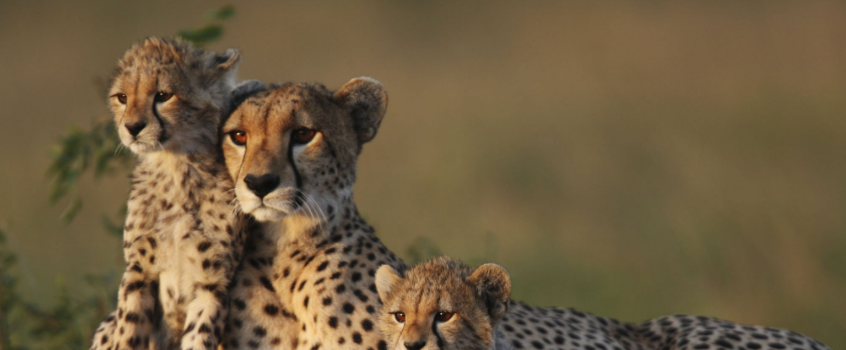
Other Wildlife: The Masai Mara is also home to numerous species of antelope, including topi, impala, and gazelles (Thomson’s and Grant’s), as well as zebras, giraffes, and wildebeests. During the annual Great Migration, millions of wildebeests, zebras, and gazelles flood the reserve, providing one of nature’s most incredible spectacles. The migration, which typically takes place between July and October, sees these animals cross the Mara River, often encountering crocodiles and other predators.
-
Birdlife: The Masai Mara boasts a rich variety of bird species, with over 450 recorded. Among the most notable are vultures, ostriches, eagles, and a range of colorful birds such as lilac-breasted rollers and hornbills. The reserve is a paradise for birdwatchers, particularly along the riverine areas and wetlands.
Activities in the Masai Mara

A visit to the Masai Mara offers an abundance of activities for nature lovers, adventure seekers, and those looking to immerse themselves in the cultural heritage of the region. Some of the main activities include:
-
Game Drives: Game drives are the primary activity in the Masai Mara. Guided by experienced rangers, visitors explore the reserve in specially equipped 4×4 vehicles. These drives provide an opportunity to spot the Big Five and other wildlife in their natural habitat. The morning and evening game drives are the most popular since these times coincide with the animals’ feeding and hunting activities.
-
Hot Air Balloon Safaris: For a more unique experience, hot air balloon safaris offer a bird’s-eye view of the vast Mara landscape and wildlife. Floating high above the plains at dawn provides a stunning panoramic view of the reserve. After the balloon ride, most operators offer a champagne breakfast in the wilderness.
-
Cultural Tours: The Maasai people, who have lived in the region for centuries, play an integral role in the Masai Mara experience. Visitors can take part in cultural visits to Maasai villages where they can learn about traditional Maasai lifestyles, customs, dances, and crafts. These visits offer a rare insight into the lives of one of the most iconic ethnic groups in Africa.
-
Walking Safaris: For those looking to connect with nature more intimately, walking safaris are available, where visitors are guided by armed rangers on foot through designated areas of the reserve. This is an excellent way to appreciate the finer details of the ecosystem, such as plant life, insects, and smaller creatures.
-
Bird Watching: With over 450 bird species, bird watching is a popular activity for nature enthusiasts. Specialized tours, led by expert bird guides, provide opportunities to spot rare and endemic species. The wetland areas along the Mara River are prime birding spots.
-
Photography: With its dramatic landscapes and abundant wildlife, the Masai Mara is a photographer’s paradise. Whether you are a professional photographer or a novice with a camera, the reserve’s scenic vistas and animal behavior offer countless opportunities for stunning photographs.
Accommodation in the Masai Mara
The Masai Mara offers a wide range of accommodations, from luxury lodges to more budget-friendly campsites, catering to all types of travelers. Many of the lodges and camps are located near the reserve’s main entry gates or along the Mara River, providing convenient access to wildlife viewing.
-
Luxury Lodges and Camps: High-end properties like Mara Serena Safari Lodge, Governor’s Camp, and Angama Mara offer luxurious accommodations, world-class service, and incredible views of the Mara plains. These lodges feature private decks, pools, and spas, making them perfect for those looking to combine adventure with comfort.
-
Mid-Range Lodges: For those seeking comfort without the hefty price tag, mid-range options like Mara Sopa Lodge and Mara Simba Lodge offer excellent services and great access to the park. These lodges provide well-appointed rooms, pools, and guided safari experiences.
-
Budget Camps: For more budget-conscious travelers, numerous campsites and budget lodges are scattered around the reserve. Enchoro Wildlife Camp and Mara River Camp provide simple, yet comfortable accommodations in the heart of nature. These camps typically offer tented lodgings and are ideal for visitors who want to immerse themselves in the wilderness.
Transport Routes to the Masai Mara National Reserve
The Masai Mara is accessible from Nairobi, Kenya’s capital, by road or air.
-
By Road: The drive from Nairobi to the Masai Mara takes approximately 5 to 6 hours. The distance is around 270 kilometers, and while the road is mostly tarmacked, parts of it may be rough, particularly as you approach the reserve. The scenic drive offers travelers the chance to see the Kenyan countryside, and many choose to use private vehicles or shared transport with other tourists.
-
By Air: For those who prefer to save time, flights from Nairobi’s Wilson Airport or from other airstrips in Kenya can take you directly to the Masai Mara. There are several airstrips in and around the reserve, and light aircrafts can land at these airstrips, offering quick access to the park. Many lodges and camps offer scheduled flights, which are popular among tourists with limited time.
Culture of the Masai People around Masai Mara National Reserve
The Maasai people have a deep cultural connection to the Masai Mara, with their ancestral lands stretching into the reserve. The Maasai are semi-nomadic herders known for their distinctive clothing, beadwork, and unique customs. Cattle hold immense cultural and economic significance for the Maasai, and their relationship with the land and wildlife is one of stewardship, rather than exploitation.
The Maasai people’s history in the region dates back centuries, and their presence continues to influence the Mara’s identity. Today, the Maasai community is involved in conservation efforts, ensuring that the land is preserved for future generations. Many Maasai individuals work as guides, park rangers, and in other tourism-related industries, allowing visitors to experience their culture firsthand.
The Masai Mara National Reserve is one of Africa’s most exceptional wildlife destinations. Its rich biodiversity, stunning landscapes, and cultural significance make it a must-visit for anyone interested in experiencing the wild beauty of Kenya. Whether it’s the thrill of witnessing the Great Migration, the opportunity to observe the “Big Five” in their natural habitat, or the chance to immerse oneself in the culture of the Maasai people, the Masai Mara offers something for every traveler. With its wide range of activities, accommodations, and accessible transport options, the Mara remains a top destination for wildlife enthusiasts, adventure seekers, and those looking to experience the heart of African culture and nature.