What to expect
In Bwindi, you may hear a bird long before you see it. Calls travel through the trees, leaves move above the path, and a guide sometimes has to wait quietly for a small bird to come into view. Forest birdwatching here rewards patience. You do not need to be an expert, although a keen interest in birds helps when the morning is slow. Bwindi Impenetrable National Park lies in south-western Uganda and protects rainforest that is particularly important for birds associated with the Albertine Rift.
Activity overview
A birding walk is a chance to pay attention to the forest at a different pace from a gorilla trek. Your guide looks for movement in the canopy, recognises calls and knows where particular habitats begin. A group might spend ten minutes looking at one tree or move on when the bird activity is quiet. Choose an outing that suits your experience, fitness and the sector of Bwindi where you are staying.
| Experience | Forest Birdwatching |
|---|---|
| Destination | Bwindi Impenetrable Forest |
| Country | Uganda |
| Setting | montane rainforest and mountain gorilla conservation |
| Booking | Confirm availability, permits and local guide requirements |
The park has several visitor sectors, including Buhoma and Ruhija. They are not interchangeable starting points. A lodge near Buhoma may be convenient for the Munyaga River Trail, while birders interested in the Ruhija area might discuss longer walks towards the Mubwindi Swamp area. Conditions, access and guiding arrangements vary. Agree the route before booking accommodation so that your birding day does not begin with an avoidable drive.
What to expect
Expect a mixture of listening, walking and waiting. Some birds feed close to a path. Others remain high in the trees and offer only a brief view. Your guide may stop to compare two calls or explain why a particular patch of forest attracts different species. This is part of a proper birding session. There is no fixed list of birds that everyone will see.
Bwindi is known among birders for Albertine Rift species, and the rare African green broadbill is one reason experienced visitors ask about specialist routes. That bird is difficult to find and should never be sold as a guaranteed sighting. More common forest birds are worth watching too. A mixed flock moving through the canopy can be lively, even when you cannot put a name to every bird.
Planning your visit
Decide what kind of morning you want. If you are new to birdwatching, ask for a gentle introductory walk with time to learn how to use binoculars. If you keep a bird list, tell the organiser which species or habitats interest you. A specialist guide can then discuss a realistic route and the time it may take. Your own list is useful, but the guide should never be expected to produce a particular bird on demand.
Book early if you are travelling during a busy gorilla-trekking period. Forest guiding arrangements and accommodation can fill up, and the best starting point for birding may be some distance from the lodge you first considered. Confirm whether park entry, a guide, a ranger and transport to the trailhead are included in the price. Keep the booking details in writing.
The location and its character
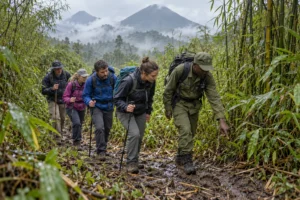
Bwindi is a mountainous forest rather than a level nature reserve. Dense vegetation, valleys, streams and changes in altitude create different conditions over short distances. It is possible to feel cool at the start and warm after a steep climb. Even a route described as short can become tiring when the path is wet.
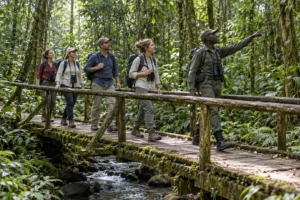
The Buhoma area offers a useful introduction for many visitors. The Munyaga River Trail is known for forest walks and birdwatching. Ruhija has different habitats and attracts dedicated birders, including people interested in the Mubwindi Swamp area. Ask whether the route is currently open, how demanding it is and whether a specialist guide is available. The name of a trail on a map does not tell you the condition of its steps or muddy sections on the day.
Best time and seasonal conditions
Birdwatching is possible at Bwindi throughout the year, but rainfall affects walking conditions. Uganda has wetter and relatively drier periods, although rain can fall in the forest during any month. A dry spell may make a path easier underfoot. After heavy rain, a guide might shorten the route or suggest a safer alternative. Do not choose a travel date on the promise of perfect weather.
Early mornings are often a good time to listen for bird activity. You may set out after an early breakfast or carry one arranged with your lodge. The guide should confirm the reporting time and whether you need to drive to the starting point. If a walk continues into the afternoon, check that you have enough food, water and time to return in daylight.
Equipment and personal comfort
Bring binoculars if you have them. For most visitors, a comfortable pair that you can lift quickly is more useful than heavy equipment. A notebook or phone list helps you remember sightings, especially when several birds appear in quick succession. Keep your phone on silent so calls and movement in the forest are easier to notice.
Wear walking shoes or boots with reliable grip, long trousers and a light waterproof jacket. Carry drinking water, a small snack if permitted, any medication you need and a cover for your camera or binoculars. Avoid bright clothing if you can, and leave unnecessary bags at the lodge. Your hands should be free for balance on steep or slippery ground.
Photographers may prefer a lens suitable for birds, but equipment should not make the walk unsafe. A photograph through branches can be difficult, particularly in dim forest light. It is fine to put the camera down and watch instead. You may remember a clear look at a bird better than a blurred photograph taken in a hurry.
Guides, permissions and safety
Use authorised guides and follow the park’s visitor instructions. Birdwatching routes inside a protected area are managed activities, and you should not leave an approved trail to chase a call. Tell your guide before the walk if you have trouble with steep ground or need regular breaks. A sensible route is one that everyone in the group can complete safely.
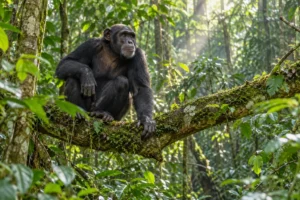
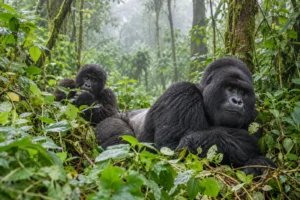
Bwindi is also home to mountain gorillas. Finding a gorilla unexpectedly during a bird walk does not make the outing a gorilla trek. Gorilla tracking follows separate permit and ranger arrangements, including health and distance rules. If seeing gorillas is important to your holiday, reserve the proper activity rather than assuming a birding walk will offer an encounter.
A suggested half-day activity plan
For a first outing, allow a flexible morning rather than fixing every stop to a minute. A half-day can work well near Buhoma, depending on the route and your guide’s advice. A keen birder seeking more difficult habitat may need a longer and more demanding session. The table gives a practical order for planning; it is not a promise that every walk will follow the same timetable.
| Stage | Suggested focus |
|---|---|
| Before departure | Confirm access, weather, equipment and permitted route |
| Orientation | Meet your local guide and discuss forest birdwatching |
| Main experience | Explore the approved area around Bwindi Impenetrable Forest at a considered pace |
| Conclusion | Return safely, review observations and discuss conservation questions |
At the start, tell the guide whether you want a general introduction or a slower session for recording birds. Stop when the guide hears something interesting. When the forest becomes quiet, use the time to notice butterflies, plants and changes in the trees. At the end, go through your bird list together. You can mark a bird as heard rather than seen if that is what happened.
Combining the activity with a safari
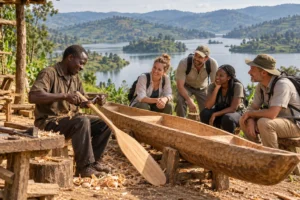
Birdwatching fits naturally alongside a gorilla-tracking trip, provided you allow enough time for both. Many travellers stay two or three nights in the Bwindi area. One day can be reserved for the gorilla activity and a different morning for birds. This avoids turning a tiring forest trek into a rushed afternoon of birding. You can also add a community visit, provided the hosts welcome visitors and the programme is arranged properly.
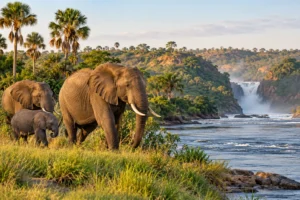
For a longer Uganda safari, Queen Elizabeth National Park offers a contrasting landscape of open grassland, water and woodland birds. The journey from Bwindi depends on which sector you leave and the route chosen. Plan the transfer as a separate part of the itinerary, especially if you hope to stop for wildlife along the way. Do not assume you can fit every activity into one day.
Responsible visitor behaviour
Keep voices low and follow your guide’s instructions when you stop to watch a bird. Do not play recorded calls repeatedly to draw shy birds towards you. Avoid approaching nests, touching vegetation to expose a bird or using flash at close range. A sighting that lasts a few seconds is still a good sighting if the animal is left undisturbed.
Respect the people who live near the park too. Ask before photographing anyone, pay agreed guide fees and use local services fairly. If your guide says a breeding location should remain private, do not publish precise coordinates. Sensitive species can suffer when too many visitors are directed to one place.
What to confirm before booking
Ask for the exact starting point, guide arrangements, estimated walking time, fitness level, park charges and transport. Find out how the organiser handles heavy rain, whether a change of route is possible and what happens if you need to turn back. If you are travelling with a child or someone who walks slowly, mention this before payment. It is much easier to adapt a route during planning than halfway up a muddy slope.
Is this experience right for you?
You will probably enjoy the walk if you like spending time outdoors and can accept periods without a clear sighting. It suits travellers who are willing to listen, look carefully and let the guide set a safe pace. If you prefer guaranteed close-up wildlife photographs, forest birdwatching may be frustrating. The reward is the chance to observe birds in a complex natural habitat, on their terms.
For families and mixed groups
A short, varied walk is often better for beginners and younger visitors than a demanding specialist route. Ask the guide to explain common calls and give everyone a turn to look through binoculars. If one person wants to keep a detailed species list while another prefers scenery, agree how long you will stop at each sighting before you set out. Check age and trail restrictions with the operator rather than assuming every path is suitable.
For conservation-minded travellers
Bwindi’s birdlife depends on healthy forest and thoughtful management of access. You can learn about conservation by asking your guide how different parts of the forest are protected, what threatens the habitat and how local people are involved in visitor services. Listen carefully to local knowledge. If you want to visit a community project, use a recognised programme and ask how visitor contributions are handled.
For keen photographers
Forest photography requires patience and realistic expectations. Light can be weak below the canopy, and birds may move before your camera focuses. Practise using your settings before the walk so you spend less time changing equipment when a bird appears. Keep a safe distance from edges and streams while following a subject through the viewfinder.
Most importantly, give yourself enough time. A half-day walk may introduce you to Bwindi’s birds, but a dedicated birder could happily spend longer exploring suitable habitats with a specialist guide. Confirm the route and current access before travelling. Then arrive ready for whatever the forest offers, whether that is a rare bird, a familiar call or a quiet morning under the trees.